


For decades, high-end audio has occupied a rarefied space in the world of home entertainment. It has never been about trends, convenience, or spectacle. Instead, it has been guided by a philosophy; one rooted in accuracy, restraint, and deep respect for artistic intent.
Audiophiles understood early on that true fidelity does not shout. It reveals. It does not embellish. It preserves.
For much of that same period, video followed a very different path.
Home video evolved rapidly, often prioritizing immediacy and mass appeal over long-term refinement. New formats arrived quickly, features piled up, and visual impact frequently took precedence over faithfulness to the source. “Good enough” became an accepted standard for most consumers.
Yet something has changed.
In recent years, video has begun to absorb the same principles that high-end audio embraced long ago. Enthusiasts, professionals, and manufacturers alike are re-evaluating what quality actually means, and discovering that the audiophile mindset offers a remarkably clear blueprint.
This is not a technological shift so much as a cultural one. And it marks a new era for serious home video.
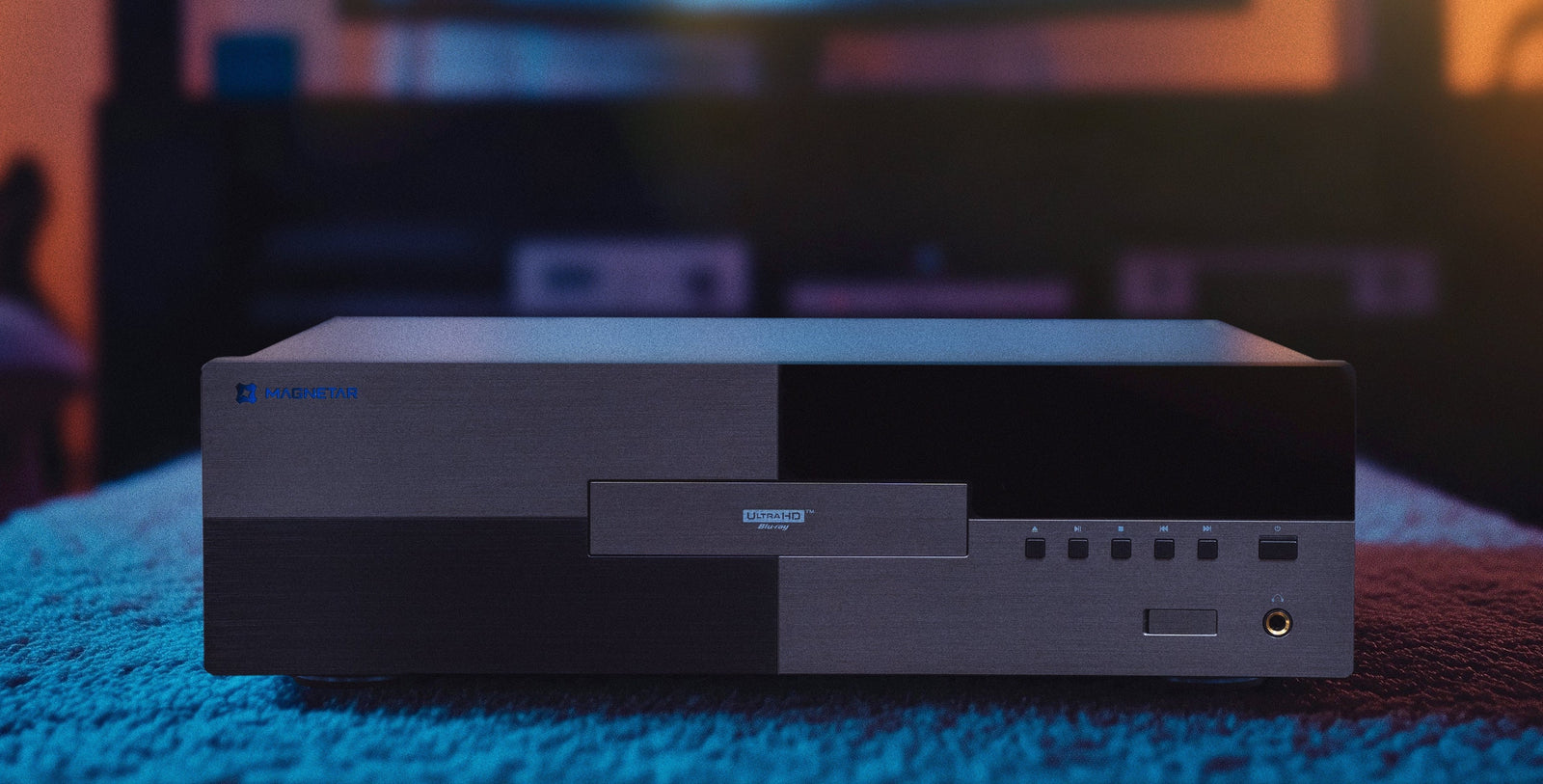
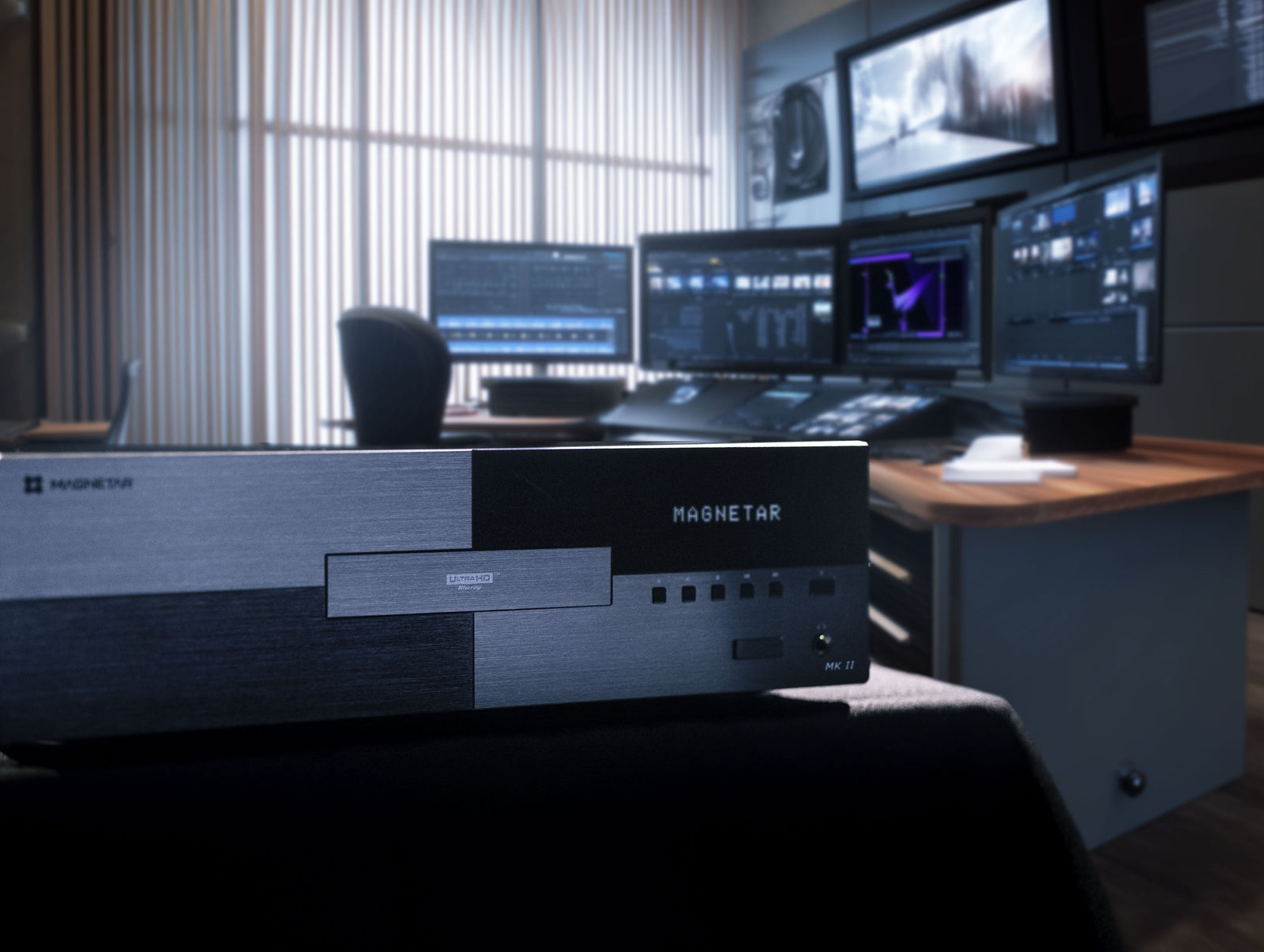
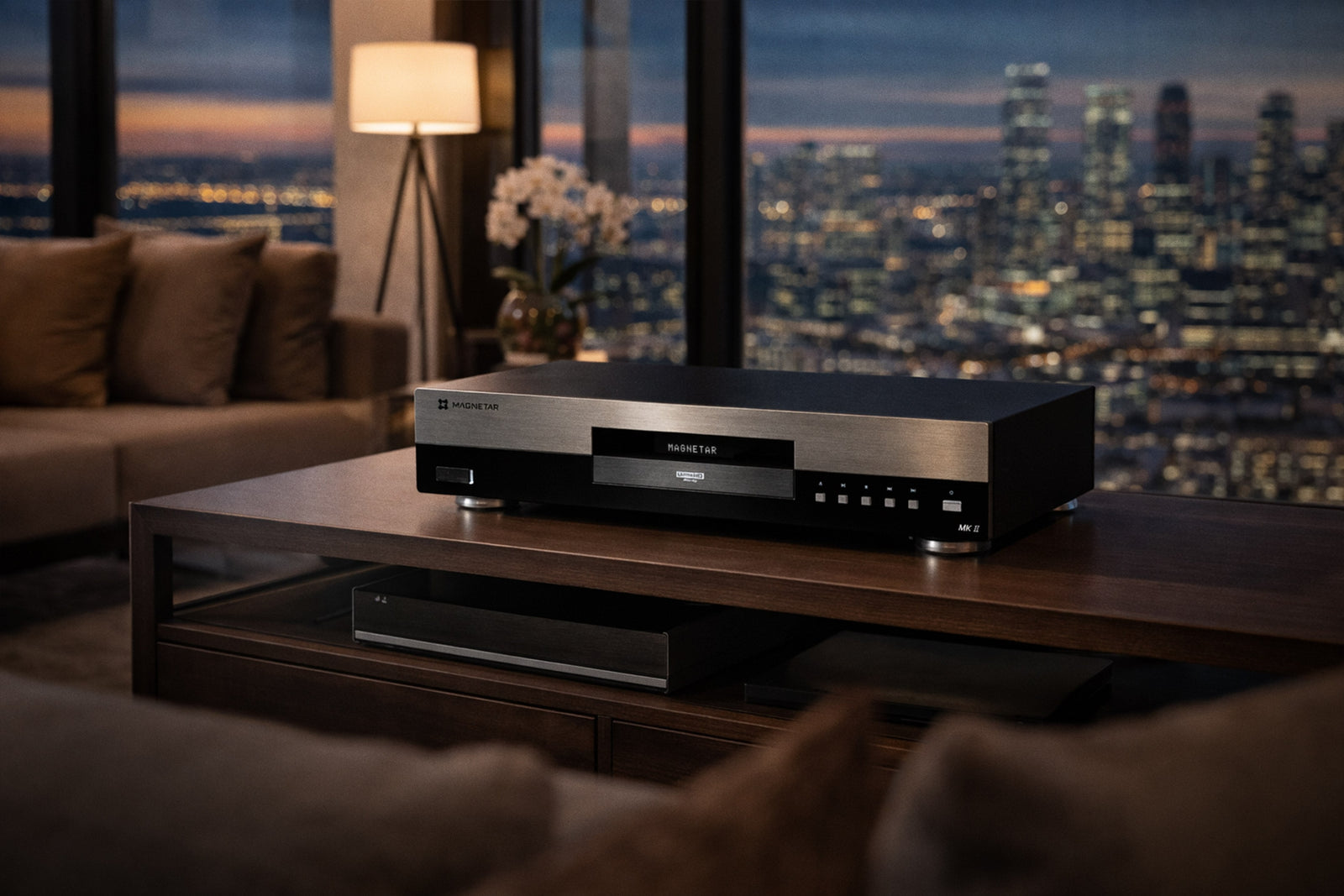
Enter Magnetar.

Audio’s Early Commitment to Reference Standards
High-end audio matured slowly, deliberately, and with discipline. From the beginning, its most respected designers and listeners centered their work around a singular goal: reference accuracy.
A reference system does not flatter a recording. It does not exaggerate bass, widen the soundstage artificially, or add warmth for emotional effect. Instead, it strives to reproduce what is actually on the recording; no more, no less.
This philosophy demanded patience. It required careful listening, controlled comparisons, and an acceptance that true quality is sometimes subtle. Over time, this cultivated an audience that valued honesty over excitement and consistency over novelty.
Video, by contrast, developed under very different pressures. Televisions were sold on showroom floors under harsh lighting. Images were engineered to “pop” at a glance. Sharpness, brightness, and motion enhancement became selling points, even when they altered the original image.
Only recently has video begun to move away from this approach, guided by a growing appreciation for accuracy over spectacle.
Why Video Took Longer to Mature
The difference in evolution between audio and video is understandable.
Audio reproduction has fewer variables: two channels, a defined frequency range, and decades-old recording standards that remain largely relevant. Video, on the other hand, has navigated constant shifts; new resolutions, frame rates, color spaces, HDR formats, and display technologies.
This rapid evolution encouraged short hardware cycles and experimental feature sets. Stability often took a back seat to innovation. But as video formats have matured and standards have stabilized, the industry has reached an inflection point.
Now, the question is no longer “What’s new?”
It’s “What’s correct?”
That shift mirrors the moment audio experienced years earlier, when enthusiasts stopped chasing novelty and began demanding fidelity.
Purpose-Built Components Over Feature Density
One of the clearest lessons from high-end audio is the value of restraint.
Audiophiles learned that adding more processing stages, features, or circuitry rarely improves sound. In fact, it often degrades it. Each additional layer introduces noise, distortion, or unpredictability.
As a result, audio design philosophy shifted toward purity of signal and purpose-built components. Dedicated transports, DACs, preamps, and amplifiers emerged; not because complexity was impressive, but because separation allowed each component to excel.
Video is now undergoing a similar reevaluation.
All-in-one devices that handle apps, gaming, networking, and playback simultaneously are convenient, but convenience is not the same as fidelity. Serious video enthusiasts increasingly recognize that dedicated playback devices, designed solely to deliver consistent, accurate video, offer a fundamentally different experience.
This is not about rejecting modern technology. It is about choosing tools that respect the signal rather than overwhelm it.
Consistency Is the True Luxury
High-end audio has never been judged solely on how it sounds during a brief demo. Long-term consistency matters just as much.
An amplifier that performs beautifully for a year but degrades due to thermal instability or component stress is not considered high-end. Reliability, predictable behavior, and longevity are part of the value proposition.
Video is beginning to embrace this same standard.
Today’s consumers are increasingly fatigued by constant firmware changes, shifting user interfaces, and features that appear and disappear with little notice. The appeal of hardware that behaves consistently (across years, formats, and use cases) has grown significantly.
In this context, stability is no longer boring.
It is reassuring.
Just as audiophiles trust components that deliver the same sonic character decade after decade, video enthusiasts are learning to value players that remain dependable, predictable, and faithful over time.
Respecting Artistic Intent Across Mediums
Perhaps the most important philosophical overlap between high-end audio and modern reference video lies in respect for the creator’s intent.
Here at Magnetar, delivering the creator's vision in its purest, most original form is of the utmost importance.
Audiophiles have long rejected excessive equalization, artificial widening, or dynamic manipulation. These techniques may sound impressive at first, but they fundamentally alter the recording. Over time, listeners learned to hear these changes not as enhancements, but as distortions.
Video is now confronting the same issue.
Motion smoothing, aggressive HDR tone mapping, edge enhancement, and forced brightness adjustments can all compromise the decisions made during color grading and mastering. Filmmakers and cinematographers carefully craft contrast, shadow detail, and pacing; only to see those choices overridden by default consumer settings.
As awareness grows, more viewers are choosing accuracy over exaggeration.
This evolution closely parallels audio’s journey: from excitement to trust, from spectacle to truth.
The Rise of the Informed Viewer
High-end audio culture succeeded because it cultivated an educated audience. Listeners learned to articulate what they valued, evaluate equipment critically, and make informed decisions based on long-term satisfaction rather than initial impact.
Video is now developing a similar audience.
Today’s serious viewers understand frame cadence, color accuracy, mastering standards, and the importance of source integrity. They are less impressed by marketing claims and more interested in repeatable results.
This shift has meaningful consequences for the industry. Products are no longer judged solely on specs or features, but on how reliably they deliver an authentic experience.
In many ways, video is not reinventing itself; it is finally aligning with a mindset audio perfected years ago.
Lessons Installers and Professionals Learned First
Interestingly, many of these lessons were absorbed early by professionals rather than consumers.
Audio engineers, mastering studios, and system installers have always valued consistency and predictability. Equipment that behaves unexpectedly, or changes its character with updates, is difficult to trust in professional environments.
Video professionals are now expressing similar priorities. Calibrators, integrators, and post-production specialists increasingly favor playback systems that behave consistently and transparently, allowing them to evaluate content accurately.
This professional demand often precedes consumer awareness. Just as audiophile principles filtered down from studios to homes, video fidelity is following the same path.
A More Mature Era of Home Video
What we are witnessing is not a rejection of innovation, but a refinement of priorities.
Video is entering a more mature phase, one defined not by rapid change, but by thoughtful execution. The industry is rediscovering the value of fundamentals: accurate reproduction, stable platforms, and purpose-built design.
This evolution benefits everyone. Creators see their work presented as intended. Enthusiasts enjoy consistent, trustworthy experiences. And homeowners gain systems that quietly deliver excellence without constant intervention.
Conclusion: Fidelity Is a Philosophy
High-end audio taught us that true quality is not about excess. It is about intention. About knowing what to preserve, what to remove, and when to step aside.
As video finally catches up, it is embracing the same truth: fidelity is not a feature; it is a philosophy.
When that philosophy guides design and engineering, the result is something rare in modern technology: confidence. Confidence that what you see is what was meant to be seen.
Confidence that the experience will remain consistent.
Confidence that the hardware serves the art, not the other way around.
And that is the lesson high-end audio has been offering all along.
As the home theater experience continues to mature and refine, companies that approach playback with the same discipline long embraced by high-end audio stand apart. By prioritizing accuracy, stability, and purpose-built design, Magnetar players reflect our belief that the best technology does not compete with the art it presents, it honors it.
When playback becomes transparent and dependable, the experience itself takes center stage, just as it always should.