

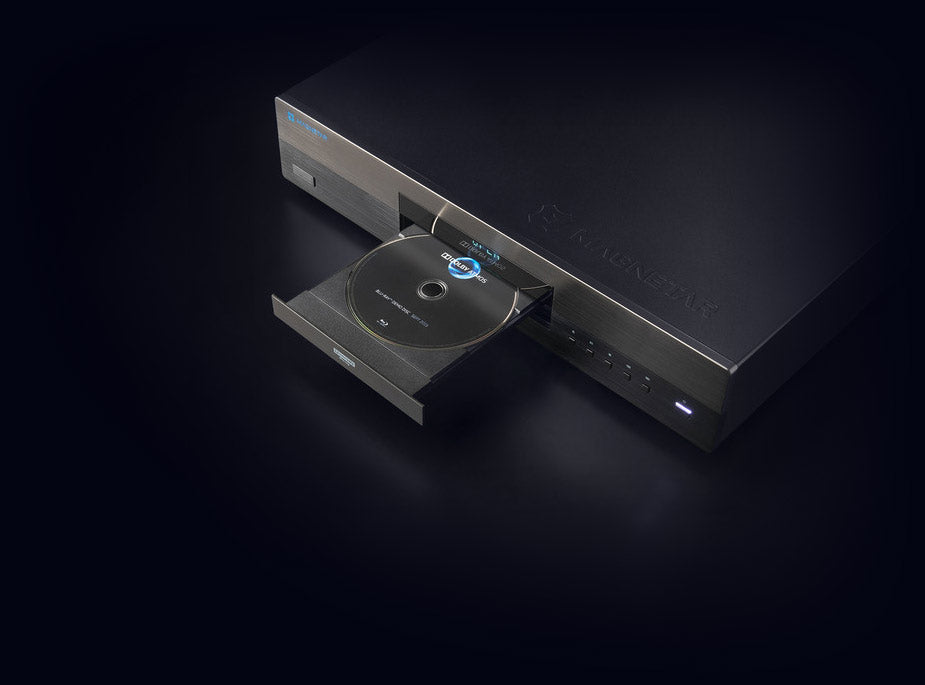

These days, many consumer electronics have become increasingly specialized, disposable, and dependent on cloud services. And yet, there exists a category of device that feels almost anachronistic in the best possible way: the universal disc player.
Consider the modern consumer electronics landscape: Smartphones are replaced every few years, streaming devices become obsolete when support ends, smart TVs lose app compatibility, music services rise and fall, and video game consoles often sacrifice backward compatibility in pursuit of the next generation.
Yet, occupying racks in dedicated home theaters and audiophile listening rooms around the world, universal disc players continue to perform a remarkably simple (and uncommon) mission: they play virtually everything.
CDs, SACDs, DVD-Audio, Blu-rays, 4K Ultra HD Blu-rays, concert discs, surround music releases, and high-resolution digital files; decades of entertainment history, all accessible through a single machine.
The universal disc player represents one of the last truly universal consumer devices ever created, making it more important today than ever before.

What Exactly Is a Universal Disc Player?
At its core, a universal disc player is designed around compatibility; a philosophy that has become surprisingly uncommon. Rather than focusing on a single format or ecosystem, a universal player is engineered to support a vast range of physical and digital media formats across multiple generations of technology.
A modern premium universal disc player may support:
*CD
* SACD
* DVD
* DVD-Audio
* Blu-ray Disc
* 3D Blu-ray
* 4K Ultra HD Blu-ray
* Blu-ray Audio
* High-resolution music files
* DSD playback
* FLAC
* WAV
* AIFF
* MP3
* Network streaming capabilities
This level of compatibility is extraordinary when viewed against today’s broader technology landscape.
Imagine if a modern gaming console could play every game released over the past 40 years, or if your smartphone natively supported every operating system ever developed. That level of backward compatibility is virtually unheard of elsewhere, yet universal disc players have quietly maintained this philosophy for decades.
The End of Universality
The truth is that most consumer technology no longer prioritizes universality.
Streaming services fragment content across dozens of subscriptions, smartphones eliminate physical connections in favor of wireless ecosystems, software platforms regularly abandon support for older hardware; even modern entertainment itself has become increasingly siloed.
Consumers have gradually become accustomed to asking:
* Which service is this available on?
* Which subscription do I need?
* Is this device still supported?
* Will this file format still work?
* Do I still own the title I bought?
Universal disc players answer those questions with something increasingly rare: “Yes.”
The CD you purchased in 1987, the SACD you bought in 2002, the concert Blu-ray you purchased in 2011, the 4K UHD release you bought yesterday...they all work. This continuity represents a commitment to preserving access rather than controlling access.
Physical Media’s Greatest Strength
Discussions surrounding physical media often focus on quality, and certainly, physical formats offer compelling advantages:
* Higher video bitrates
* Lossless audio
* Dolby Atmos and DTS:X support
* Reference-quality HDR presentation
* No compression from internet bandwidth limitations
But perhaps the greatest advantage of physical media is its permanence.
A physical disc doesn’t disappear because a licensing agreement expired or become inaccessible because a server shut down. It also doesn’t require a monthly subscription, or rely on a corporation deciding whether your favorite movie remains profitable enough to host.
Once purchased, that content remains available. Universal disc players extend this philosophy by preserving access across decades of technological evolution. They serve as bridges between generations of media.
The Last Machines Designed To Play Everything
Historically, consumer electronics companies frequently embraced broad compatibility.
Early home audio systems were expected to play multiple sources and personal computers were built around expandability and flexibility, while VCRs, laserdisc players, CD players, and DVD players each represented distinct but accessible ecosystems.
Today, however, most technology products are designed around specialization:
Your streaming box streams, your game console plays games, your phone serves your phone ecosystem, and your smart speaker operates within its ecosystem.
Universal disc players stand almost alone as machines whose primary mission remains compatibility itself.
In this sense, they are not merely media players; they're also preservation devices.
Audiophiles Never Stopped Believing
Long before physical media collectors began discussing digital ownership and media preservation, audiophiles understood the value of universal playback.
Music enthusiasts recognized that no single format ever truly replaced its predecessor. Instead, formats accumulated.
An audiophile's music collection might include:
* CDs from the 1980s, 1990s, and 2000's
* SACDs from the 2000s
* DVD-Audio releases
* Blu-ray concerts
* Pure Audio Blu-ray albums
* High-resolution digital files
* DSD archives
Owning separate hardware for each format quickly becomes impractical, but universal players solve this problem elegantly. Rather than forcing consumers to choose which formats deserves survival, it preserves access to all of them. This philosophy now feels remarkably forward-thinking.
Home Theater Enthusiasts Became Accidental Archivists
Something unexpected happened during the streaming era: Home theater enthusiasts became archivists. As studios began removing films from streaming platforms, altering content, or shifting libraries between services, collectors discovered that their physical libraries represented an increasingly valuable commodity:
Certainty.
The movie on your shelf exists, as does the concert disc in your collection, and the special edition release you purchased remains exactly as you bought it. A universal disc player transforms a personal collection into a personal archive...and for many enthusiasts, this realization fundamentally changed how they viewed physical media.
Collecting physical media may have started as a hobby for some, but most have realized that curating a collection has become something much more:
It's an act of preservation.
The Universal Disc Player as a “Forever Product”
Another reason universal players remain uniquely valuable is their longevity. Many premium universal players remain in service for ten, fifteen, or even twenty years. This stands in stark contrast to modern consumer electronics:
*Smartphones often last 3–5 years.
*Streaming boxes frequently become obsolete within 5–7 years.
*Smart TV operating systems may lose support after only a few years.
*Subscription ecosystems constantly evolve.
A well-engineered universal player, however, can remain relevant for decades because the media itself remains relevant. The player depends on standards rather than trends, and standards have remarkable staying power.
The Growing Value of Hardware Independence
Increasingly, consumers are discovering the value of technological independence. The ability to:
* Watch a film without internet access
* Listen to music without a subscription
* Access a library without licensing restrictions
* Experience media exactly as originally purchased
These capabilities are becoming less common, not more.
Universal disc players provide a level of autonomy that modern entertainment ecosystems often discourage: They return control to the owner.
That philosophy resonates strongly with collectors, audiophiles, cinephiles, and enthusiasts who value permanence over convenience alone.
Why Universal Players May Become Even More Important
The assumption has long been that physical media would gradually disappear, yet the opposite is happening.
While physical media has become more specialized, it has also become more valuable to those who appreciate it. Collectors increasingly seek:
* Definitive editions
* Boutique releases
* High-resolution audio
* Director-approved restorations
* Permanent ownership
* Reference-quality playback
As the market becomes more enthusiast-focused, the value of universal playback actually increases. The broader and more diverse one’s collection becomes, the more essential a universal player becomes.
Rather than becoming obsolete, universal players may be evolving into something akin to high-end mechanical watches: Precision instruments designed for enthusiasts who value craftsmanship, longevity, and permanence.
The Last Universal Machines
Perhaps the most remarkable aspect of the universal disc player is that it represents a philosophy of technology that is rapidly disappearing; a philosophy built around:
* Compatibility
* Longevity
* Ownership
* Flexibility
* Preservation
* Independence
These machines are not designed to lock consumers into ecosystems; instead, they're designed to unlock access to decades of entertainment history. Where many devices become less capable over time due to software changes, subscription models, and ecosystem restrictions, universal disc players remain refreshingly straightforward...
They simply play what you own and preserve what you love.
They also ensure that the history of music, film, and home entertainment remains accessible long after today’s streaming trends have changed. Perhaps that's why universal disc players feel so special in 2026.
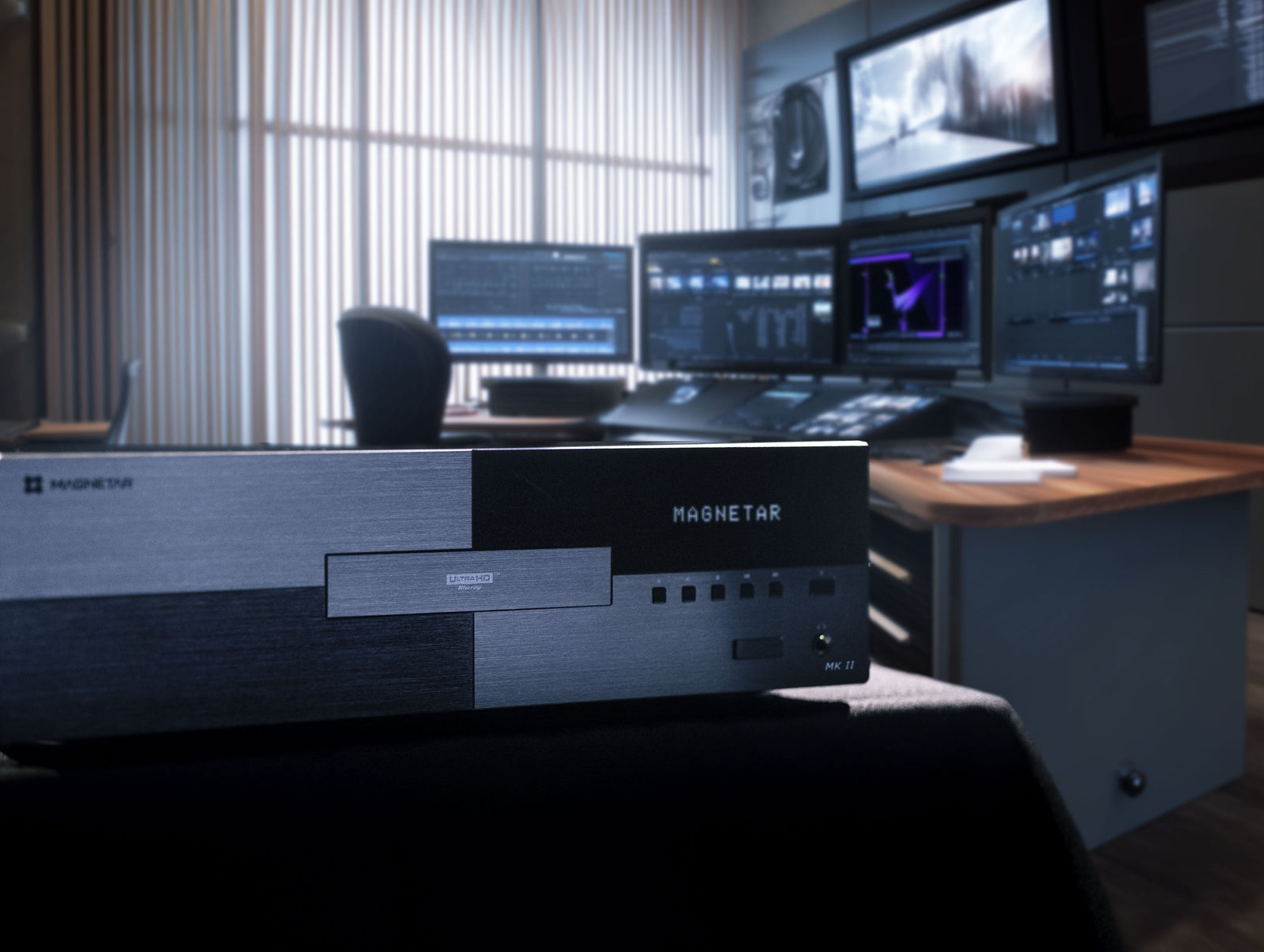
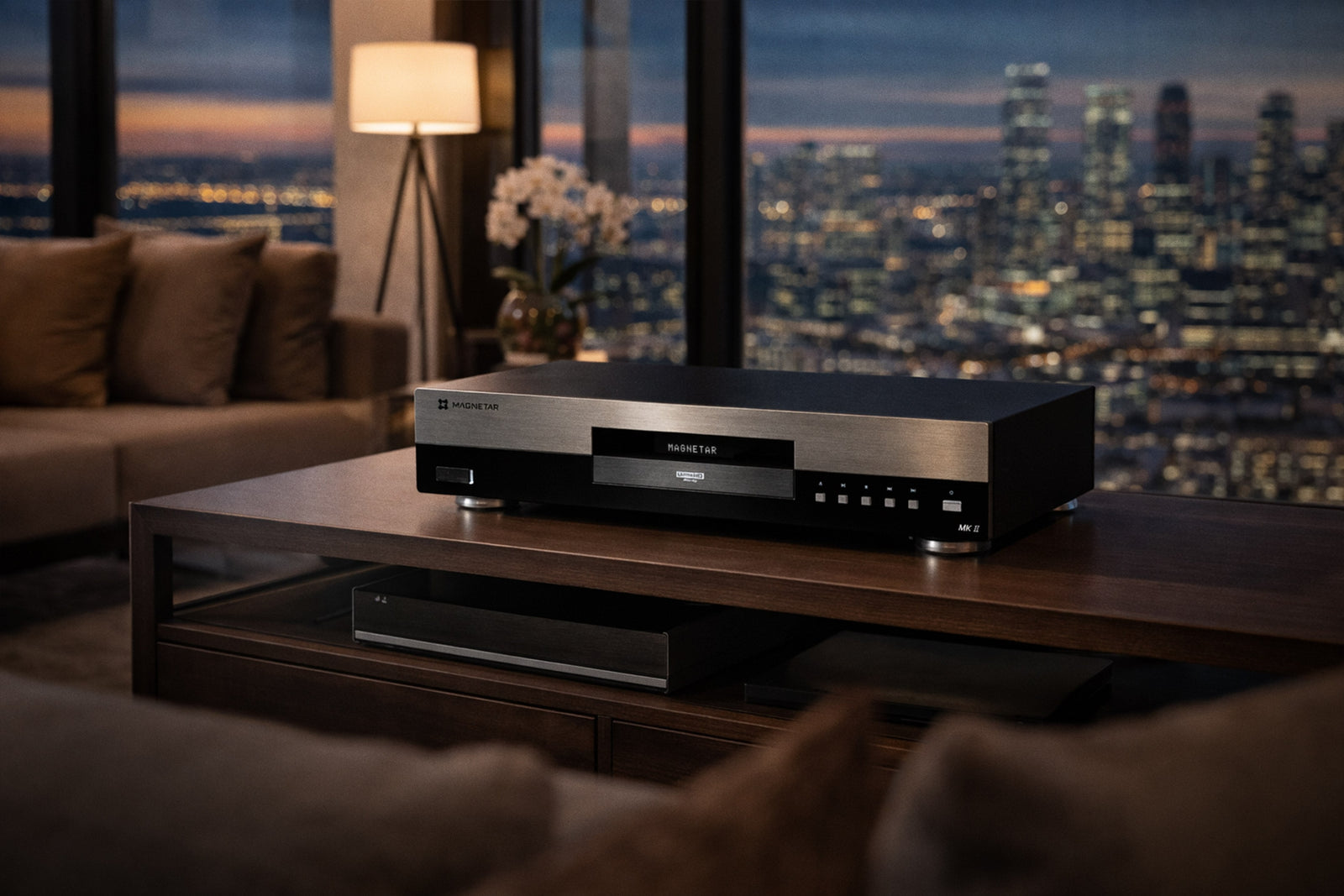
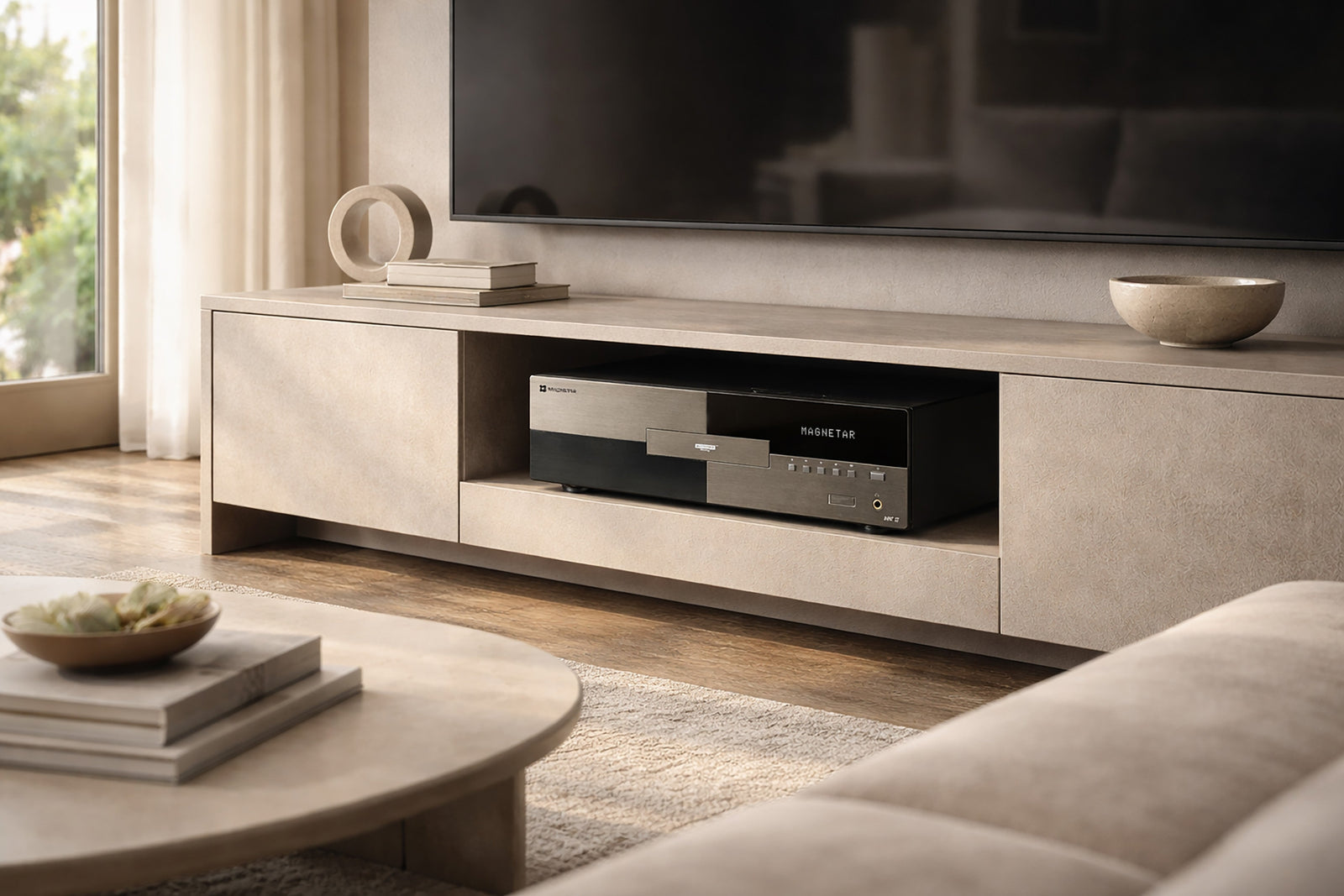
The landscape of home entertainment continues to evolve and the value of truly universal playback has become increasingly apparent. This is why products like the Magnetar UDP800 MKII and UDP900 MKII are built with the philosophy that compatibility, longevity, and uncompromising performance deeply matter.
By supporting an extraordinary range of physical and digital media formats while delivering reference-level audio and video quality, universal disc players continue to serve as bridges between generations of entertainment technology. They remain enduring reminders that sometimes, the best technology stays.
It allows us to preserve, experience, and enjoy everything we already love.