



For movie collectors, it’s a question that comes up again and again:
“Why hasn’t this classic ever been released on 4K UHD Blu-ray?”
Whether it’s a beloved cult favorite, an overlooked blockbuster, or an award-winning classic, there are countless films that enthusiasts hope to add to their collections in the highest possible quality. Every year brings exciting announcements of long-awaited restorations and stunning 4K releases; but just as often, fans are left wondering why certain titles remain unavailable.
The answer is rarely as simple as a studio choosing not to release a disc.
Behind every 4K UHD Blu-ray is an enormous amount of work involving archivists, restoration artists, colorists, mastering engineers, legal teams, licensors, manufacturing specialists, and marketing departments. Before a movie ever reaches a collector’s shelf, it has to overcome numerous technical, financial, and logistical hurdles.
Let’s take a closer look at why some films make the leap to 4K while others remain stuck in older formats, or never receive a physical release at all.

It Starts With the Original Source Materials
A beautiful 4K presentation begins with one thing: The best possible source material.
Ideally, studios still possess the original camera negative (OCN), which contains the highest-quality image captured during production.
If the original negative is intact, properly stored, and accessible, it can often be scanned at resolutions exceeding 4K (even 6K or 8K) to preserve every possible detail before being mastered for UHD.
Unfortunately, that isn’t always the case.
Over decades, film elements can suffer from:
* Physical deterioration
* Vinegar syndrome
* Color fading
* Water damage
* Improper storage
* Lost or misplaced reels
* Fire or natural disasters
Some films survive only through duplicate negatives, interpositives, release prints, or television masters. While these materials can still produce respectable restorations, they often can’t deliver the same level of sharpness, dynamic range, or image stability as an original negative. Sometimes, the materials simply no longer exist.
Restoration Takes Time and Expertise
Even when original film elements survive, they’re rarely ready for immediate release.
Before audiences ever see a pristine 4K presentation, restoration teams may spend months or even years repairing decades of wear.
Common restoration work includes:
* Removing dirt and dust
* Stabilizing image weave
* Repairing scratches
* Correcting torn frames
* Rebuilding damaged sections
* Reducing flicker
* Correcting color fading
* Repairing audio damage
Every frame must be evaluated carefully.
The goal isn’t to make an old movie look “modern.” Instead, restoration professionals strive to preserve the filmmakers’ original artistic intent while presenting the cleanest and most faithful version possible. This meticulous work is both time-intensive and expensive.
Some Films Were Never Finished at 4K
One of the biggest misconceptions about modern movies is that newer automatically means they’re ready for UHD.
In reality, many films shot digitally (or even on film) were completed using a 2K Digital Intermediate (DI).
After visual effects, editing, and color grading, the final master may only exist in 2K resolution.
Creating a true 4K master can require revisiting original camera files, re-rendering visual effects, rebuilding portions of the production pipeline, and performing a brand-new HDR color grade.
For effects-heavy productions, this can become a massive undertaking. In some cases, the cost simply outweighs the expected return.
Licensing Can Be Surprisingly Complicated
Owning a movie isn’t always as straightforward as it sounds. Many films involve multiple rights holders.
A studio may control:
* The theatrical distribution
* Home video rights
* International rights
…while another company owns:
* Music rights
* Character rights
* Literary adaptation rights
* Television rights
Some agreements were written decades ago, long before UHD Blu-ray even existed. If contracts don’t clearly address newer formats, legal teams may need to negotiate updated licensing agreements before a release can move forward.
Even one unresolved rights issue can delay or permanently prevent a 4K edition.
Music Rights Can Stop Everything
Fans are often surprised to learn that music licensing alone can derail a release.
Many older films secured music rights only for theatrical exhibition or early home video formats.
A modern UHD release may require:
* New licensing negotiations
* Additional royalty payments
* Approval from publishers
* Approval from recording artists
* Approval from record labels
If negotiations fail or become too expensive, the release may be postponed indefinitely.
Some Movies Need Director or Estate Approval
Many filmmakers remain actively involved in how their movies are presented.
New restorations frequently involve consultation with:
* Directors
* Cinematographers
* Producers
* Film estates
Color grading decisions, HDR implementation, framing, and image cleanup may all require approval before a release can proceed.
Sometimes creators disagree with restoration choices.
Other times, estates cannot reach consensus.
These creative considerations can significantly extend production timelines.
Restoration Costs Can Be Enormous
A premium 4K restoration isn’t inexpensive.
Costs may include:
* Film scanning
* Restoration labor
* Color grading
* HDR mastering
* Audio restoration
* Quality control
* Disc authoring
* Packaging design
* Manufacturing
* Marketing
For major blockbusters, those investments may be relatively easy to justify. For niche titles, however, the financial equation becomes much more difficult. Studios ultimately have to estimate whether enough collectors will purchase the release to recover those costs.
The Importance of Market Demand
Collectors often wonder:
“If thousands of people want this movie, why won’t they release it?”
The challenge is that online enthusiasm doesn’t always translate into sales. Studios analyze numerous factors, including:
* Previous Blu-ray performance
* Streaming popularity
* Franchise recognition
* International demand
* Collector interest
* Retail support
A vocal online community may represent only a small fraction of the buyers needed to make a release financially viable. This is one reason boutique labels have become so important. Companies specializing in collector editions often succeed with titles that larger studios might consider too niche.
Boutique Labels Help Fill the Gaps
The physical media landscape has evolved dramatically over the past decade.
Boutique publishers frequently license films from major studios, investing in restorations and premium collector editions that might otherwise never happen.
These companies often serve passionate audiences looking for:
* Classic cinema
* Horror
* Foreign films
* Independent productions
* Cult favorites
* Forgotten gems
Without boutique labels, many celebrated restorations simply wouldn’t exist. They have become an essential part of preserving film history for future generations.
Some Movies Present Unique Technical Challenges
Not every film was produced under ideal circumstances. Certain productions may contain:
* Heavy optical effects
* Extensive compositing
* Early digital visual effects
* Mixed film formats
* Multiple aspect ratios
* Damaged audio elements
These challenges require specialized restoration workflows. Sometimes entirely new techniques must be developed to faithfully reconstruct the original presentation. The more technically complex a film becomes, the greater the restoration effort and the higher the associated costs.
Global Manufacturing Still Plays a Role
Even after a restoration is complete, physical production remains an important consideration. Every UHD Blu-ray must still move through:
* Authoring
* Compression
* Quality assurance
* Disc replication
* Packaging
* Worldwide distribution
Manufacturing capacity, scheduling, and logistics all influence when a release can reach store shelves. Collectors often see only the announcement date, but months of behind-the-scenes coordination typically precede every launch.
Why Patience Sometimes Pays Off
One encouraging trend is that many films once considered “unlikely” candidates have eventually received spectacular 4K releases.
Advances in restoration technology continue to make difficult projects more achievable. Growing collector support also demonstrates that audiences continue to value premium physical media experiences.
Titles that seemed impossible a decade ago have since become reference-quality releases. That means today’s “never” may become tomorrow’s surprise announcement.
Every 4K Release Represents Years of Collaboration
It’s easy to think of a 4K UHD Blu-ray as simply another version of a movie.
In reality, every successful release represents years (sometimes even decades) of preservation, restoration, technical expertise, legal coordination, creative collaboration, and manufacturing precision. When collectors place a new UHD disc into their player, they’re experiencing the culmination of countless hours of work by professionals dedicated to preserving cinema in its highest possible quality.
The next time you wonder why your favorite film hasn’t yet received a 4K release, remember that the answer is rarely a lack of interest. More often, it’s the result of complex technical, legal, artistic, or financial challenges happening quietly behind the scenes.
Fortunately, every year brings new restorations, new discoveries, and new opportunities for long-awaited films to find new life on physical media. For enthusiasts who appreciate experiencing movies as faithfully as possible, that’s certainly something worth celebrating.
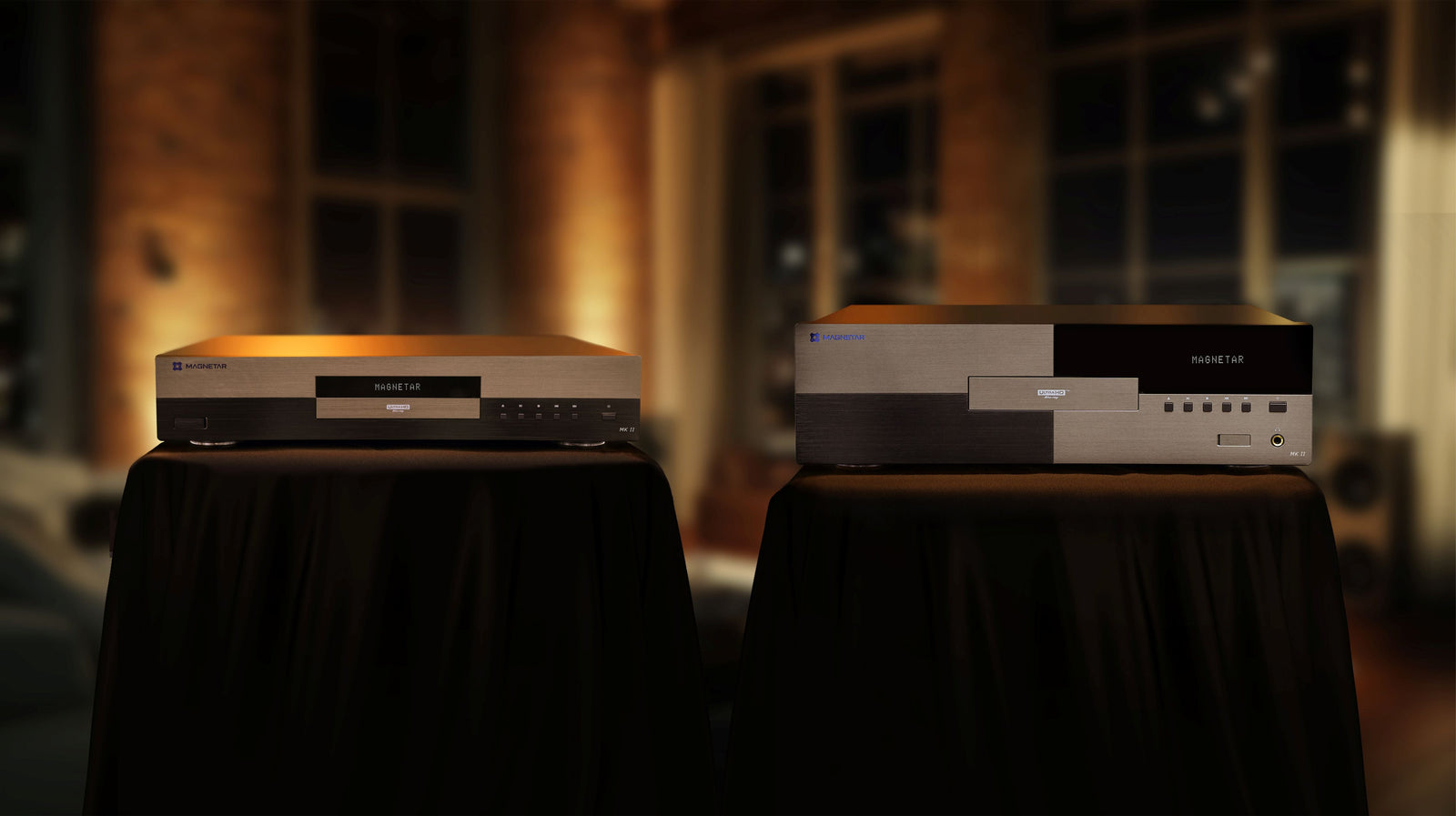
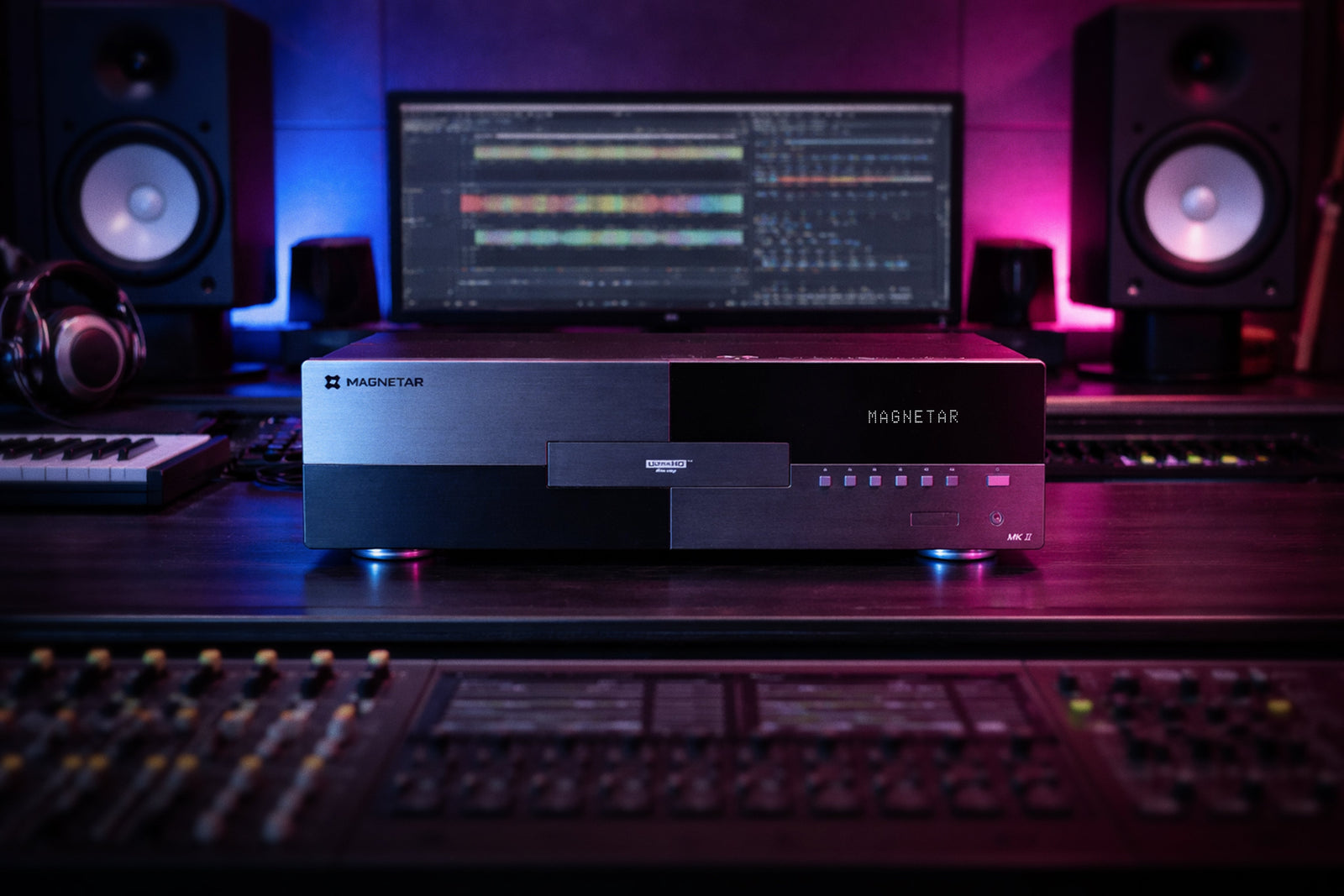
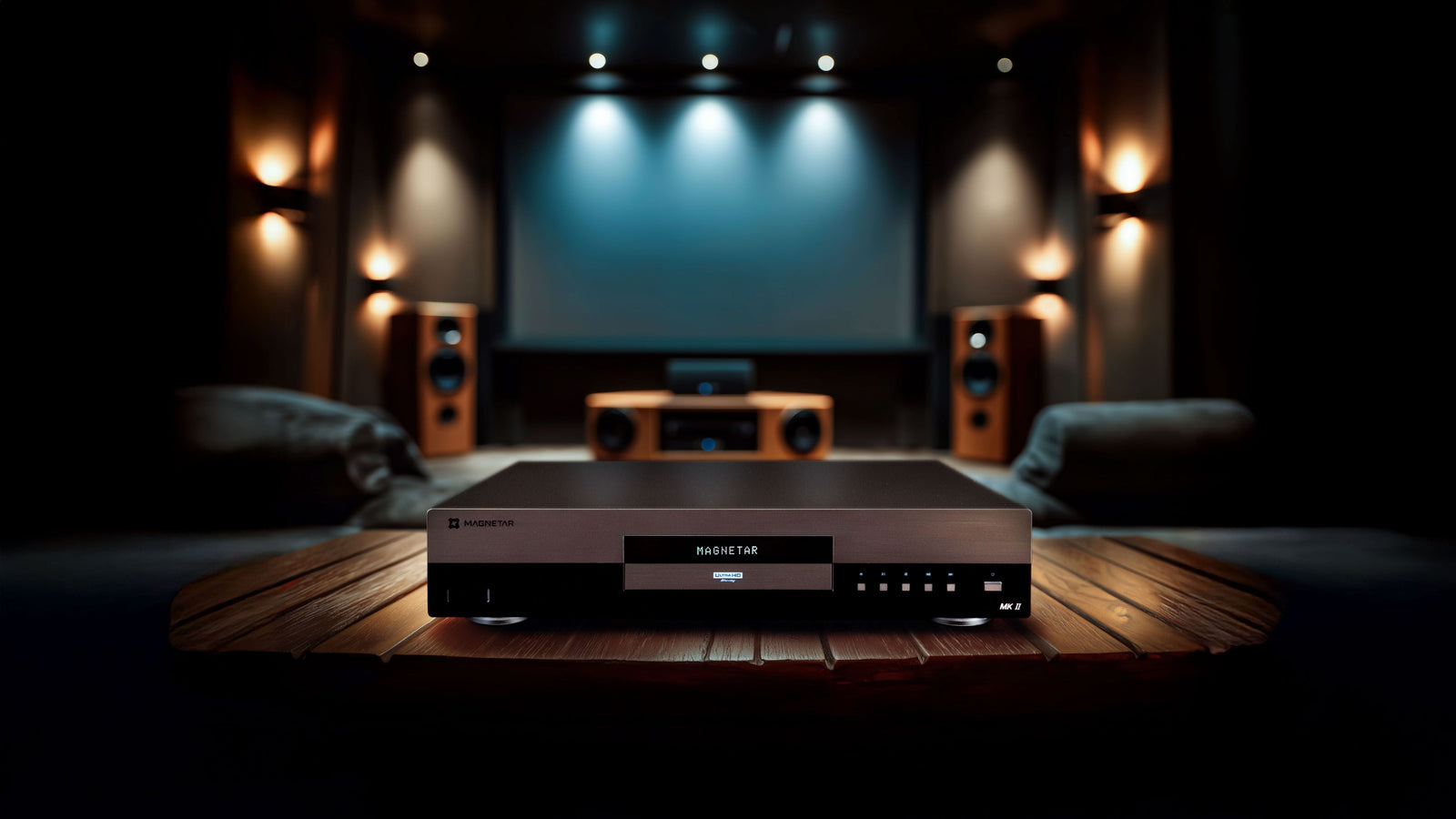
When those highly anticipated releases finally arrive, pairing them with a high-performance universal disc player (like those offered by Magnetar) allows viewers to experience the care and craftsmanship behind each restoration, from the first frame to the closing credits.