

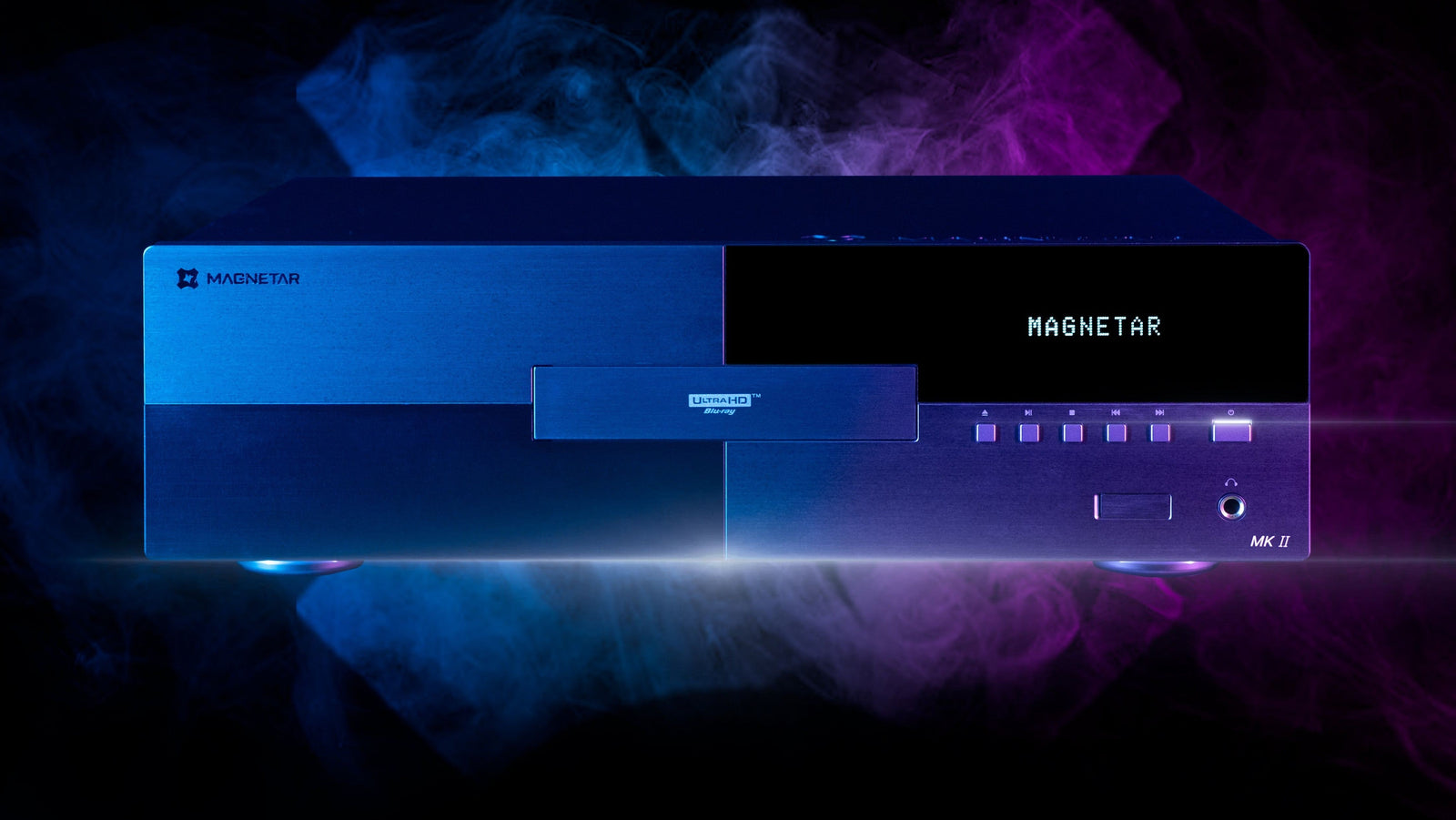

When you slide a 4K Ultra HD Blu-ray into your player, it’s easy to assume you’re simply watching the same movie that premiered in theaters. After all, the film has already been shot, edited, and completed; surely it’s just copied onto a disc and shipped to stores.
In reality, that’s far from the truth.
Between the moment a filmmaker finishes a movie and the moment you press “Play” at home, an enormous amount of work takes place behind the scenes. Engineers, colorists, authoring specialists, quality assurance teams, and manufacturing experts all contribute to transforming a completed film into a polished home entertainment experience.
Every menu you navigate, every chapter you skip to, every subtitle that appears at precisely the right moment, and every breathtaking HDR image has passed through multiple stages of refinement before ever reaching your living room.
Understanding the movie mastering process offers a fascinating glimpse into an often-overlooked side of the film industry and highlights why creating a premium home release is far more involved than simply burning a movie onto a disc.

It All Begins with the Digital Master
Once filming is complete, the real work of post-production begins.
Editors assemble the footage, visual effects artists complete their work, sound designers finalize the mix, and colorists shape the final look of the film. Eventually, everything reaches what is known as "picture lock", meaning the visual edit is complete and no further changes will be made to the timing of the film.
From there, the movie is finalized into a high-quality master (often derived from a Digital Intermediate or "DI") that serves as the foundation for every future release.
Think of this master as the “source file” from which every version of the movie will ultimately be created.
This isn’t compressed for consumer playback. Instead, it’s an exceptionally high-quality version designed to preserve every possible detail captured during production and post-production.
It’s the closest representation of the filmmakers’ finished vision before it begins adapting to different viewing platforms.
One Movie, Many Deliverables
Here’s something many people don’t realize:
A theatrical master isn’t automatically suitable for every home viewing format.
Today’s movies may ultimately be prepared for:
* 4K Ultra HD Blu-ray
* Standard Blu-ray
* DVD
* Digital purchase
* Streaming platforms
* Airline entertainment systems
* Television broadcasts
* International releases
Each destination has different technical requirements. Some platforms support Dolby Vision. Others use HDR10. Some require Dolby Atmos audio. Others need stereo mixes.
Subtitle requirements vary by country, different regions require different language tracks, and accessibility features must also be incorporated.
Rather than creating one universal file, studios and home entertainment teams develop multiple deliverables tailored to each distribution format. The result is a carefully managed ecosystem of versions that all originate from the same master but are optimized for entirely different viewing experiences.
Preparing a Film for Home Entertainment
Home entertainment mastering isn’t simply about reducing a file size. Instead, specialists carefully adapt a theatrical presentation for televisions, projectors, and home theater systems.
This often involves evaluating how HDR highlights appear in a home environment, ensuring shadow detail remains visible on consumer displays, verifying color consistency across different playback devices, and confirming that audio translates well outside of commercial cinemas.
In some cases, additional work is also performed to prepare bonus features, commentary tracks, alternate audio mixes, and supplemental content that never appeared in theaters.
Collectors often associate premium physical media with these extras, but each one requires its own production pipeline, synchronization, and quality review before becoming part of the finished release.
The Art and Science of Video Encoding
One of the most technically demanding stages comes next: encoding.
Modern films are incredibly large.
A finished studio master can occupy hundreds of gigabytes or significantly more; far beyond what could ever fit directly onto a consumer disc. Encoding specialists must compress that enormous amount of information while preserving as much visual fidelity as possible.
This is where expertise is especially important.
Rather than treating every scene equally, experienced encoding teams analyze how different sequences behave. A slow dialogue scene with minimal movement requires far fewer bits than an explosive action sequence filled with smoke, rain, fire, and rapidly changing detail.
The encoder intelligently allocates available bitrate where it’s needed most. When performed well, compression becomes virtually invisible. When performed poorly, however, viewers may notice a myriad of issues: banding in gradients, blocking in dark scenes, loss of fine detail, or distracting artifacts during fast motion.
Problems like these are often the result of decisions made during the encoding process.
For enthusiasts, this explains why two different 4K Ultra HD Blu-ray releases can look remarkably different despite sharing the same resolution. It's less about having "more pixels" and more about how effectively those pixels are preserved.
Disc Authoring: Building the Experience
Once video and audio assets are prepared, the project moves into one of the least visible (but most fascinating) parts of physical media production: disc authoring.
Authoring transforms individual files into a complete interactive experience.
This includes:
* Building navigation menus
* Creating chapter stops
* Integrating subtitle tracks
* Synchronizing alternate audio options
* Programming bonus features
* Supporting seamless branching
* Managing playlist structures
* Implementing Blu-ray Java (BD-J) functionality where applicable
In many ways, authoring is similar to software development.
Everything has to function flawlessly. Menus must respond correctly, subtitles need to appear at precisely the right frame, commentary tracks must remain perfectly synchronized, bonus content should launch without errors, chapter selections must navigate exactly where intended.
Most viewers never think about any of this and that’s precisely the goal. When authoring is successful, the experience feels effortless.
Quality Control: Finding Problems Before You Do
Before a disc ever reaches manufacturing, extensive quality assurance testing begins. This stage is about much more than simply watching the movie.
Teams verify:
* Menu functionality
* Subtitle accuracy
* Audio synchronization
* Chapter navigation
* Playback stability
* Disc compatibility
* Branching behavior
* Language selection
* Bonus feature operation
Discs are often tested across multiple players to ensure consistent performance. Even a small programming error can create unexpected issues during playback. Perhaps a subtitle appears one second too early, or maybe a menu loops incorrectly. An audio track could accidentally default to the wrong language, or a branching sequence might fail under certain conditions.
Quality control teams work to identify and correct these issues before thousands (or even hundreds of thousands) of copies are manufactured.
It’s meticulous work, but it’s one of the most important safeguards in the home entertainment process.
From Digital Files to Physical Discs
Once authoring is approved, production shifts from the digital world into manufacturing. Contrary to popular belief, commercial Blu-rays aren’t simply “burned” like recordable discs at home. Manufacturers create a highly precise glass master, which serves as the template for mass replication.
From there, specialized equipment stamps microscopic data pits into polycarbonate discs with extraordinary precision. Reflective layers are applied, protective coatings are added, labels are printed, and discs are inspected.
Finally, they’re packaged alongside artwork, booklets, inserts, or collector’s materials before being shipped to distributors and retailers around the world. Every step must maintain strict quality standards to ensure reliable playback for years to come.
The Final Step: Bringing It All to Life
After months (or sometimes years) of work, the movie finally arrives where it was always intended to be: in front of an audience. But even then, one final piece completes the chain:
Playback. Every decision made by filmmakers, colorists, mastering engineers, encoding specialists, authoring teams, and manufacturers ultimately depends on accurate reproduction inside the home.
The finest HDR grade can’t shine if image fidelity is compromised. A meticulously authored disc deserves stable navigation and reliable playback, and a carefully preserved lossless soundtrack reaches its full potential only when paired with equipment capable of reproducing it faithfully.
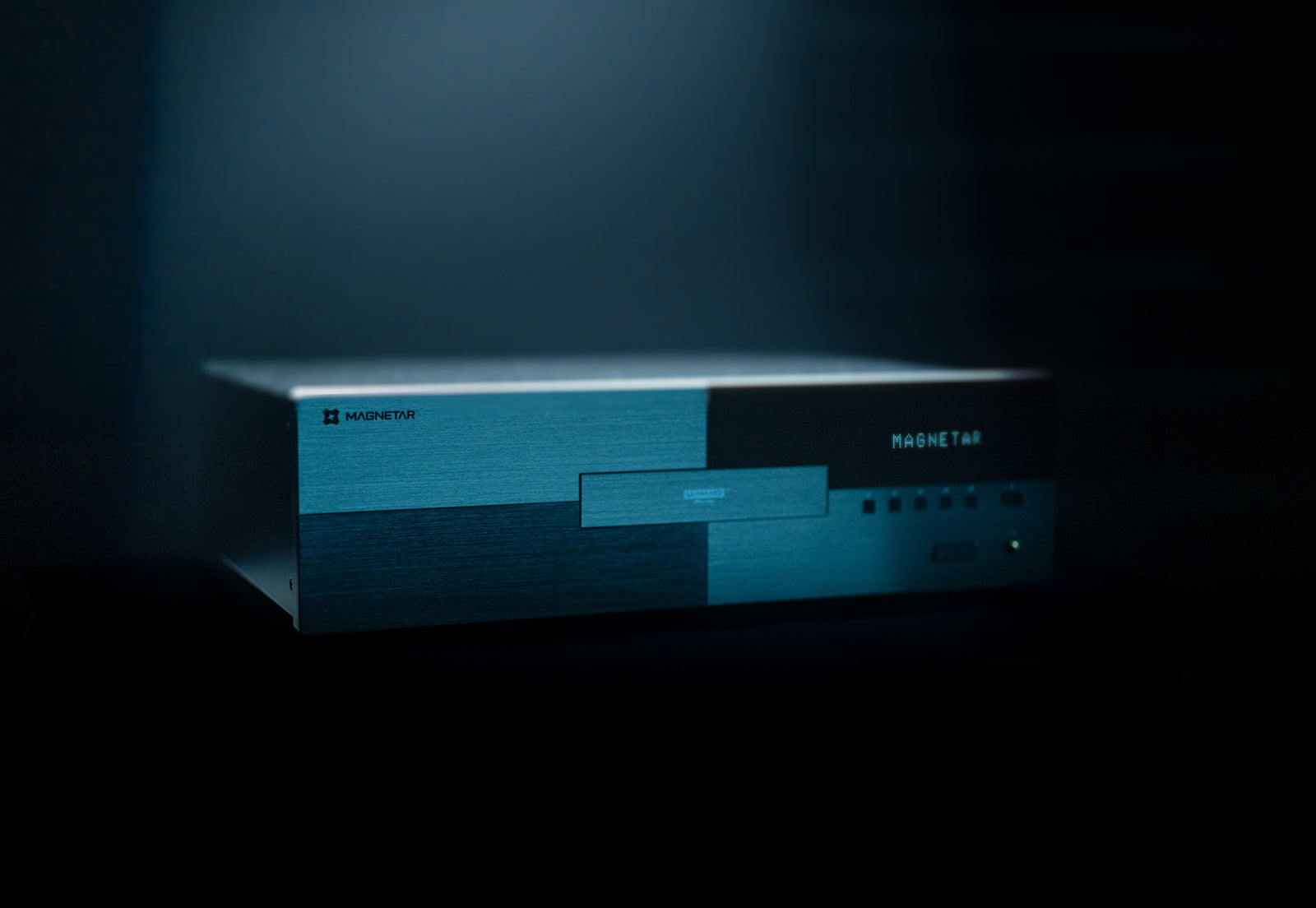
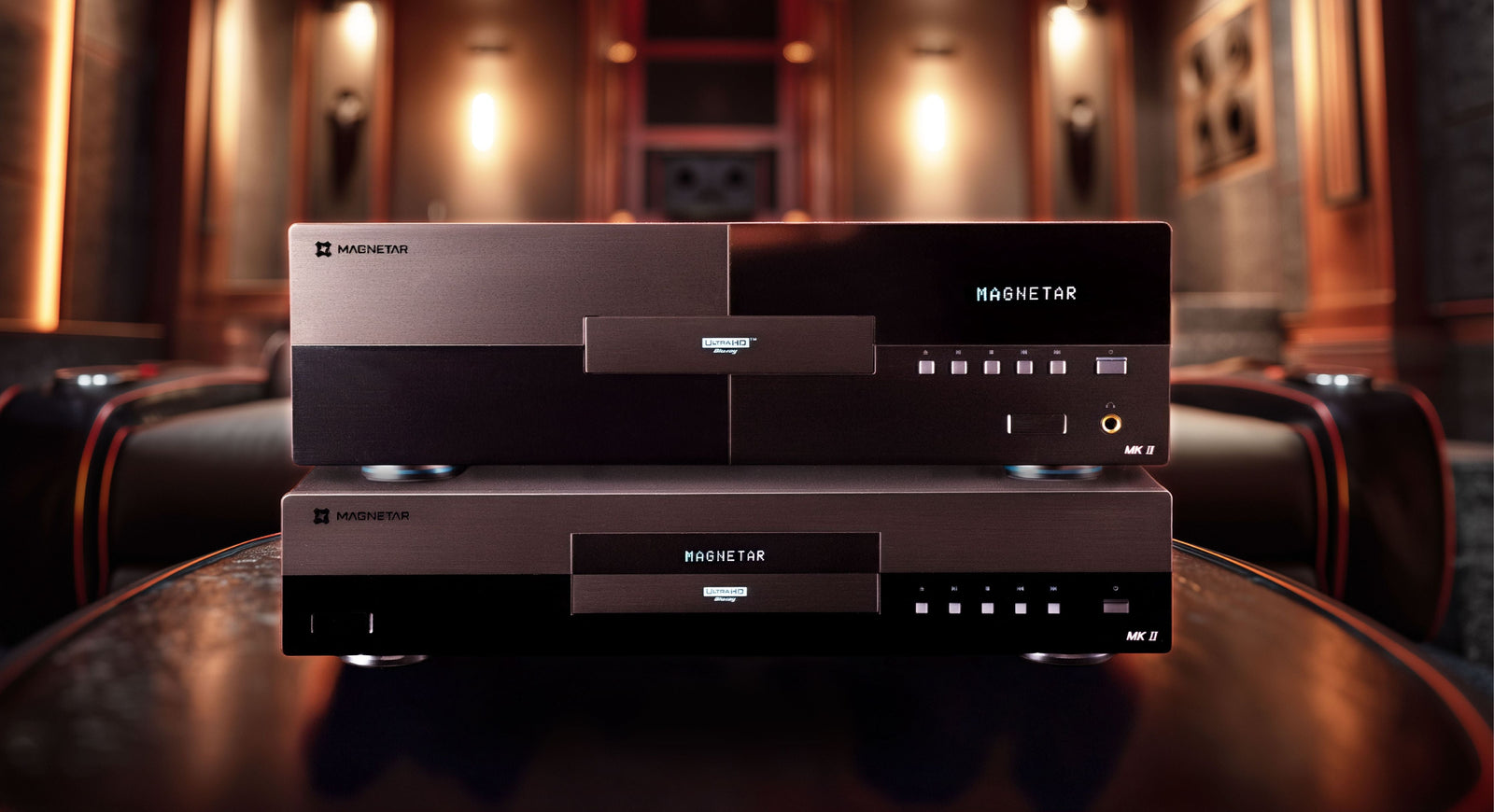
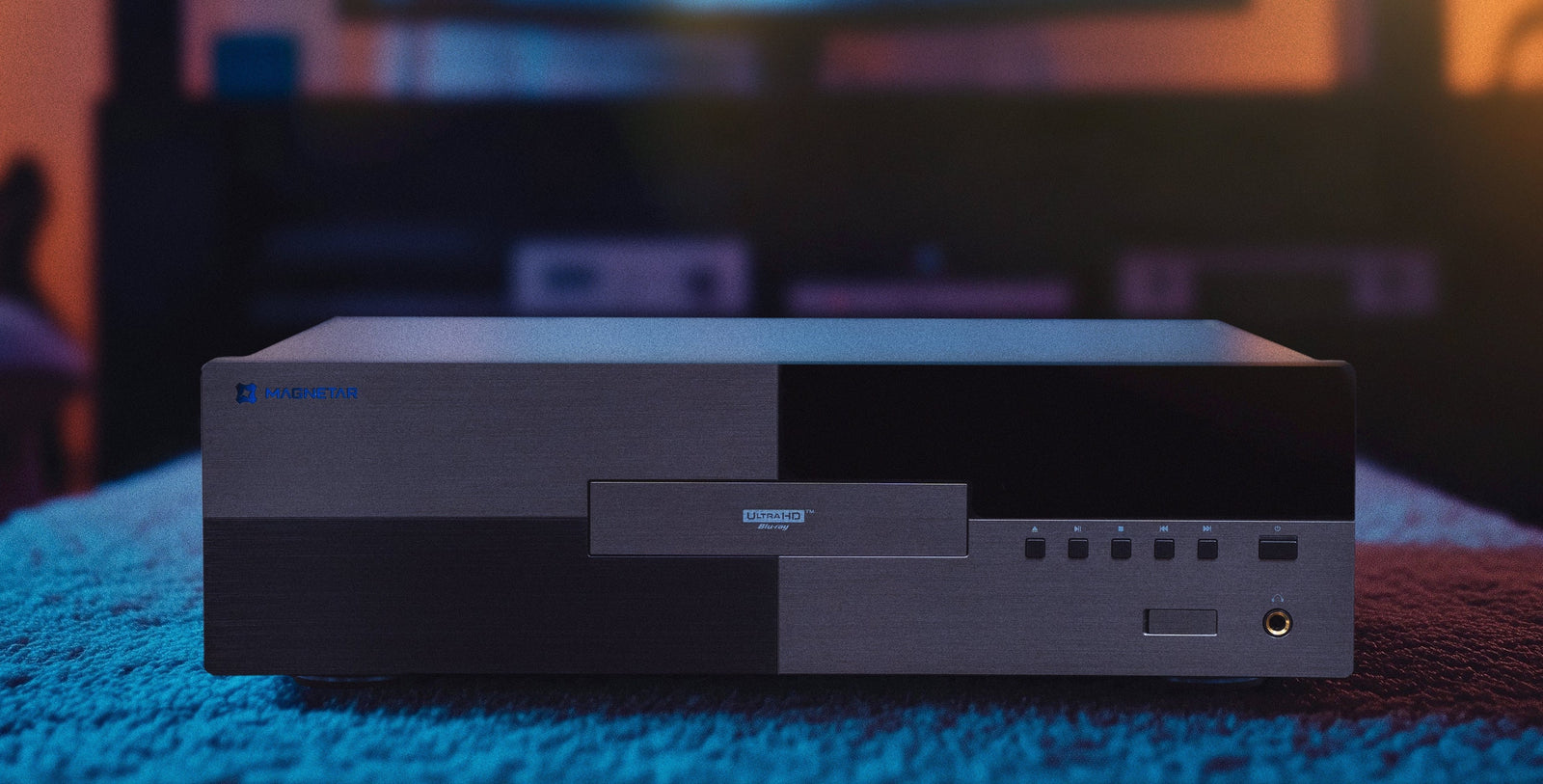
This is why enthusiasts often view their playback equipment as more than just another component. A high-quality player serves as the bridge between the countless professionals who crafted a home release and the viewer experiencing it for the first time.
Appreciating the Craft Behind Every Disc
It’s easy to think of a 4K Ultra HD Blu-ray as simply another product sitting on a store shelf, but behind every release lies an extraordinary collaboration spanning filmmaking, post-production, mastering, encoding, authoring, manufacturing, and quality assurance.
Each stage contributes something essential:
*Without careful mastering, the artistic vision can be compromised.
*Without skilled encoding, visual quality may suffer.
*Without thoughtful authoring, navigation becomes frustrating.
*Without rigorous quality control, small technical issues could interrupt the viewing experience.
*Without precision manufacturing, reliable playback would never be possible.
Every movie night is supported by an entire network of specialists whose work is largely invisible, but whose contributions shape every frame you see and every note you hear.
For home theater enthusiasts, understanding this journey adds a new level of appreciation for physical media. A premium release truly is the culmination of countless hours of craftsmanship dedicated to preserving the filmmakers’ vision as faithfully as possible.
At Magnetar, that commitment to preserving every detail resonates deeply. From the moment a film leaves the mastering studio to the instant it appears on your screen, an immense amount of expertise has gone into delivering an exceptional home entertainment experience. A high-performance universal disc player is the final link in that chain, helping ensure that all the care invested in creating, authoring, and manufacturing a release can be experienced just as its creators intended.
Whether you’re watching a newly released blockbuster or rediscovering a beloved classic, every disc tells two stories: the one unfolding on screen, and the remarkable journey it took to get there.