



For movie collectors, upgrading a favorite film to 4K Ultra HD Blu-ray can feel relatively straightforward. Find the movie, buy the 4K edition, put it on the shelf, and enjoy the best physical-media version available.
Except sometimes, there is more than one 4K edition.
A movie may receive an initial 4K Ultra HD Blu-ray release followed by a remastered edition years later. A North American disc might differ from one sold in the United Kingdom, Germany, France, or Japan. A boutique label may eventually release its own version of a film that was previously issued by a major studio. One edition may feature HDR10 while another adds Dolby Vision. Audio options can change. Even when two releases seemingly originate from the same master, the way the final video is encoded onto the disc can produce differences.
The question may start out as, “Is this movie available in 4K?” and then morph into, "Which 4K release should I buy?"
Welcome to one of the most fascinating rabbit holes in physical-media collecting. Two 4K discs carrying the same movie, at the same 4K resolution, can potentially provide different presentations. Understanding why requires looking beyond the “4K Ultra HD” logo on the package and examining everything that happens between a movie’s source elements and the image and sound that ultimately reach your home theater.

4K Resolution Is Only the Beginning
The term “4K” tends to dominate conversations about picture quality because resolution is easy to understand and easy to market. A 4K Ultra HD Blu-ray can deliver an image with a resolution of 3840 × 2160 pixels. Compared with the 1920 × 1080 resolution of standard Blu-ray, that’s roughly four times the number of pixels.
But resolution only tells us how many pixels are available, it doesn’t tell us what information those pixels contain. Think of two photographs saved at exactly the same resolution: One could be beautifully exposed, sharply focused, and carefully processed. The other could be poorly compressed, overly sharpened, or derived from an inferior source. The pixel dimensions might be identical, but the images aren’t.
The same principle applies to 4K Ultra HD Blu-ray. Resolution is only one ingredient in a much larger recipe involving the source master, restoration work, color grading, HDR implementation, compression, bitrate, disc capacity, audio mastering, and encoding decisions. That’s where different releases of the same movie begin to diverge.
It Starts With the Master
Before a movie can be placed on a 4K disc, there needs to be a digital master from which the release is created. For newer movies, that master may originate from a modern digital production workflow. Older films can involve scanning original camera negatives or other surviving film elements at high resolution and performing extensive restoration work. This process can dramatically influence the final image.
Imagine a movie originally photographed on 35mm film. One 4K release might be created using an older digital master that was already available to the studio. Years later, another label or studio might return to the original camera negative, perform a new 4K scan, remove dirt and damage, stabilize the image, and create an entirely new color grade. Both packages can say “4K Ultra HD”, but they aren’t necessarily presenting the same underlying restoration.
Collectors therefore often pay close attention to phrases such as:
* “New 4K restoration”
* “4K scan of the original camera negative”
* “Newly restored from original film elements”
* “Director-approved restoration”
* “Supervised by the cinematographer”
Those details can reveal far more about a release than resolution alone.
Different Color Grades Can Create Very Different Movies
Color grading is another major variable. When a movie is restored or remastered, decisions have to be made about how the image should look. Those decisions can involve brightness, contrast, saturation, black levels, color temperature, shadow detail, and countless smaller adjustments.
Different restorations can therefore produce noticeably different presentations. One edition might appear warmer, another might lean cooler, one might preserve a darker theatrical aesthetic while another lifts shadow detail. Skin tones can shift, night scenes can look different, highlights can be handled differently...but these differences don’t necessarily mean one release is defective. In some cases, they reflect different creative decisions or different interpretations of the source material. This becomes especially complicated with older films.
So, what exactly should a movie photographed decades ago look like on a modern HDR television? Should the restoration attempt to reproduce the appearance of an original theatrical print? Should it emphasize information captured on the camera negative that audiences may never have seen in theaters? Should the filmmakers revisit the grade using modern tools?
There isn’t always one universally accepted answer. That’s one reason enthusiasts sometimes debate different 4K releases so passionately.
HDR10 and Dolby Vision Can Separate Editions
High Dynamic Range is one of the defining features of the 4K Ultra HD Blu-ray format, but not every 4K disc uses HDR in exactly the same way. HDR10 is the baseline HDR format supported by Ultra HD Blu-ray. It uses static metadata that provides general information about the presentation. Dolby Vision can add dynamic metadata, allowing information to change throughout the movie and potentially enabling compatible displays to adapt tone mapping more precisely on a scene-by-scene or shot-by-shot basis.
HDR10+ also uses dynamic metadata, although support varies across hardware and releases. This means two 4K editions of the same movie can potentially contain different HDR presentations. For example, an earlier release might include HDR10, while a later edition adds Dolby Vision. In other cases, one regional release may include Dolby Vision while another doesn’t.
That doesn’t automatically mean the Dolby Vision edition will always look dramatically better. The quality of the underlying master and grade still matters enormously. But for enthusiasts with compatible displays and playback equipment, HDR format can absolutely become part of the decision about which edition to purchase.
The Encode is Important
Here’s where things get particularly interesting. Suppose two 4K discs use the exact same master. They can still potentially look different. Why?
Because that master must be compressed and encoded to fit onto an Ultra HD Blu-ray disc.
Commercial movies contain enormous amounts of digital information. The uncompressed master is far too large to simply copy directly onto consumer media. Ultra HD Blu-ray therefore uses HEVC, also known as H.265, to compress video efficiently while attempting to preserve as much visual information as possible.
The decisions made during this encoding process matter.
Different encodes can allocate bits differently throughout a movie. Difficult scenes (heavy film grain, smoke, rain, explosions, darkness, confetti, water, or rapidly changing detail) can require significant data to reproduce cleanly.
A strong encode manages those challenges effectively, while a weaker encode may reveal compression artifacts, banding, loss of fine detail, or other issues, particularly when viewed on a large projection screen or premium television. This is one reason enthusiasts sometimes discover that a boutique-label edition looks better than an earlier studio release even when both apparently use similar source material.
The difference may not be resolution, it may be how effectively the available information was preserved on the disc.
Bitrate Is Useful, but It Doesn’t Tell the Whole Story
This naturally brings us to bitrate. Video bitrate essentially describes how much data is being used to represent the video over time. Higher bitrates can provide an encoder with more room to preserve complex visual information. That’s why collectors often compare bitrate measurements between different releases.
But there’s an important caveat:
Higher bitrate does not automatically equal better picture quality. Encoding efficiency, the quality of the master, the complexity of the material, the encoding settings...all of these things are important and play a significant role.
A carefully optimized encode can potentially outperform a less efficient encode operating at a higher average bitrate. Bitrate is therefore useful evidence, but it shouldn’t be treated like a simple picture-quality score. It’s one piece of the puzzle.
BD-66 vs. BD-100 Can Also Be Important
Ultra HD Blu-ray discs commonly come in different capacities. A dual-layer BD-66 can hold approximately 66GB of data, while a triple-layer BD-100 can hold approximately 100GB. That additional capacity gives publishers more room for higher video bitrates, lossless audio tracks, bonus material, alternate cuts, and other content. For a long movie, a grain-heavy film, or a release containing multiple audio options, that extra space can be valuable.
But once again, disc capacity alone doesn’t determine quality. A well-authored BD-66 can look outstanding. A BD-100 simply provides more available space. What matters is how that space is used.
Audio Can Be Completely Different Between Releases
Picture quality gets most of the attention in 4K comparisons, but audio differences can be just as significant. One edition might contain a Dolby Atmos remix, another might offer DTS:X. A boutique edition might include the original theatrical stereo or mono mix in lossless form alongside a modern surround remix. Regional releases can also contain different language tracks, alternate mixes, or different mastering choices.
For purists, the presence of an original theatrical soundtrack can actually make one edition preferable even if another contains a newer immersive mix. That’s an important distinction. “More channels” does not necessarily mean “more authentic.”
Sometimes collectors want the modern Atmos presentation. Sometimes they want to hear the movie exactly as audiences originally heard it. The best releases increasingly recognize that these are two different goals and provide both options.
Regional Releases Can Be Surprisingly Different
This is where collecting becomes international. A movie released in the United States might be distributed by one company while the UK or European rights belong to another. Different distributors can create their own discs, choose different encodes, include different bonus features, or license different masters.
As a result, serious collectors sometimes import a movie they could easily purchase domestically because another territory offers what they consider the superior edition.
One version might have:
* A better video encode
* Dolby Vision
* A preferred audio mix
* More bonus features
* Different restoration work
* Better packaging
* An alternate cut
* Exclusive commentary tracks
For collectors, comparing regional editions can become almost a hobby within the hobby.
What About Region Coding?
There’s an important distinction here. 4K Ultra HD Blu-ray discs are generally region-free, which makes importing UHD titles considerably easier than it was with DVD or standard Blu-ray. However, packages containing additional standard Blu-ray discs may still include region-coded content.
For example, an imported 4K movie may play perfectly while its accompanying 1080p bonus disc is locked to a particular Blu-ray region. Collectors interested in international editions should therefore check the compatibility of everything included in the package, not simply the UHD movie disc.
Boutique Labels Changed the Game
The growth of boutique physical-media labels has dramatically expanded what collectors expect from a premium release. Rather than simply putting a movie onto a disc, boutique publishers frequently treat releases almost like archival projects:
New scans, restoration work, multiple cuts, archival interviews, new documentaries, commentary tracks, original audio mixes, elaborate packaging, booklets and essays, and (increasingly) carefully scrutinized video encodes.
This has helped create an enthusiast market where the specific edition matters almost as much as the movie itself. For some collectors, replacing an older 4K release with a newer edition doesn't feel redundant, it's an intentional upgrade.
Sometimes the Older Disc Is Still Better
Here’s another wrinkle:
Newer doesn’t automatically mean superior. A new edition may feature different color grading that some viewers dislike, a preferred audio track might disappear, digital noise reduction could alter film grain, or a new master might introduce revisionist choices. That’s why physical-media enthusiasts often hold onto older editions even after buying an upgrade.
Sometimes a previous Blu-ray contains a commentary track absent from the 4K edition, sometimes an older release contains the original color timing, sometimes different versions contain unique cuts or extras. The result is something streaming libraries rarely communicate clearly:
A movie isn’t necessarily a single, fixed digital object.
It can exist in many presentations.
How Do You Know Which 4K Release to Buy?
You don’t need to become an expert in video compression to make an informed decision. Before purchasing an expensive edition (or replacing one you already own) look for a few key details:
* Source and restoration: Was a new scan or master created?
* HDR format: Does the release contain HDR10, Dolby Vision, or HDR10+?
*Audio: Which mixes are included? Is the original theatrical mix available?
* Disc capacity and encoding: Are reputable reviewers reporting meaningful differences between releases?
* Cuts: Theatrical, extended, director’s cut, or multiple versions?
* Bonus features: Are important extras exclusive to a particular edition?
* Regional compatibility: Will accompanying Blu-ray bonus discs work with your equipment?
Most importantly, decide which differences actually matter to you. Not every collector needs the technically “best” edition of every movie. Sometimes the disc already sitting on your shelf is perfectly good. But for a favorite film (one you’ll watch repeatedly) the differences can make hunting down a particular edition worthwhile.
Your Playback Equipment Still Has to Deliver What’s on the Disc
All of this highlights an important truth about high-end physical media: The information stored on the disc is only the beginning.
A carefully restored master, sophisticated HDR grade, high-bitrate video encode, and lossless immersive soundtrack still need to travel through the playback chain before reaching your display and speakers. That’s where capable source equipment becomes important.
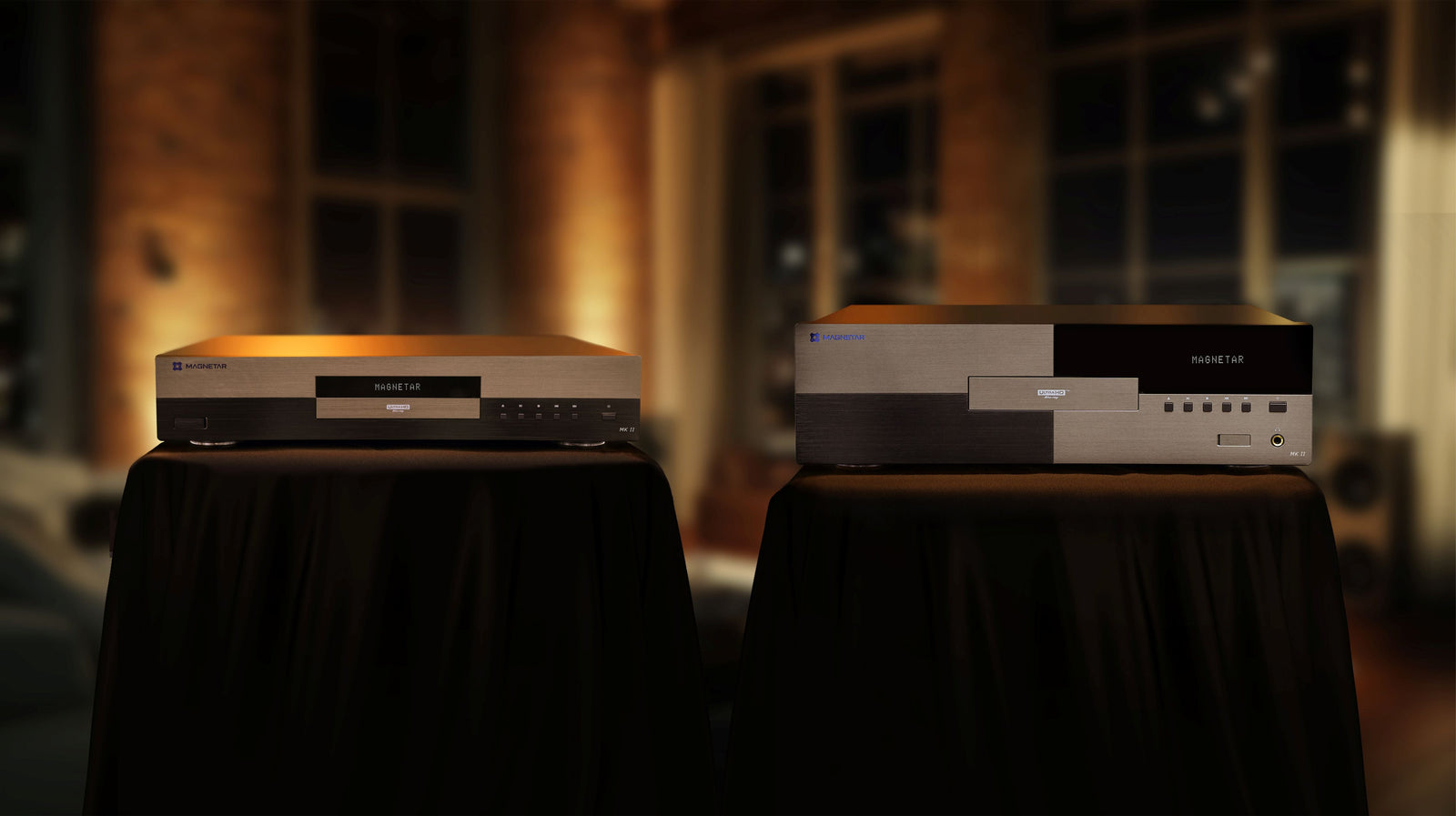
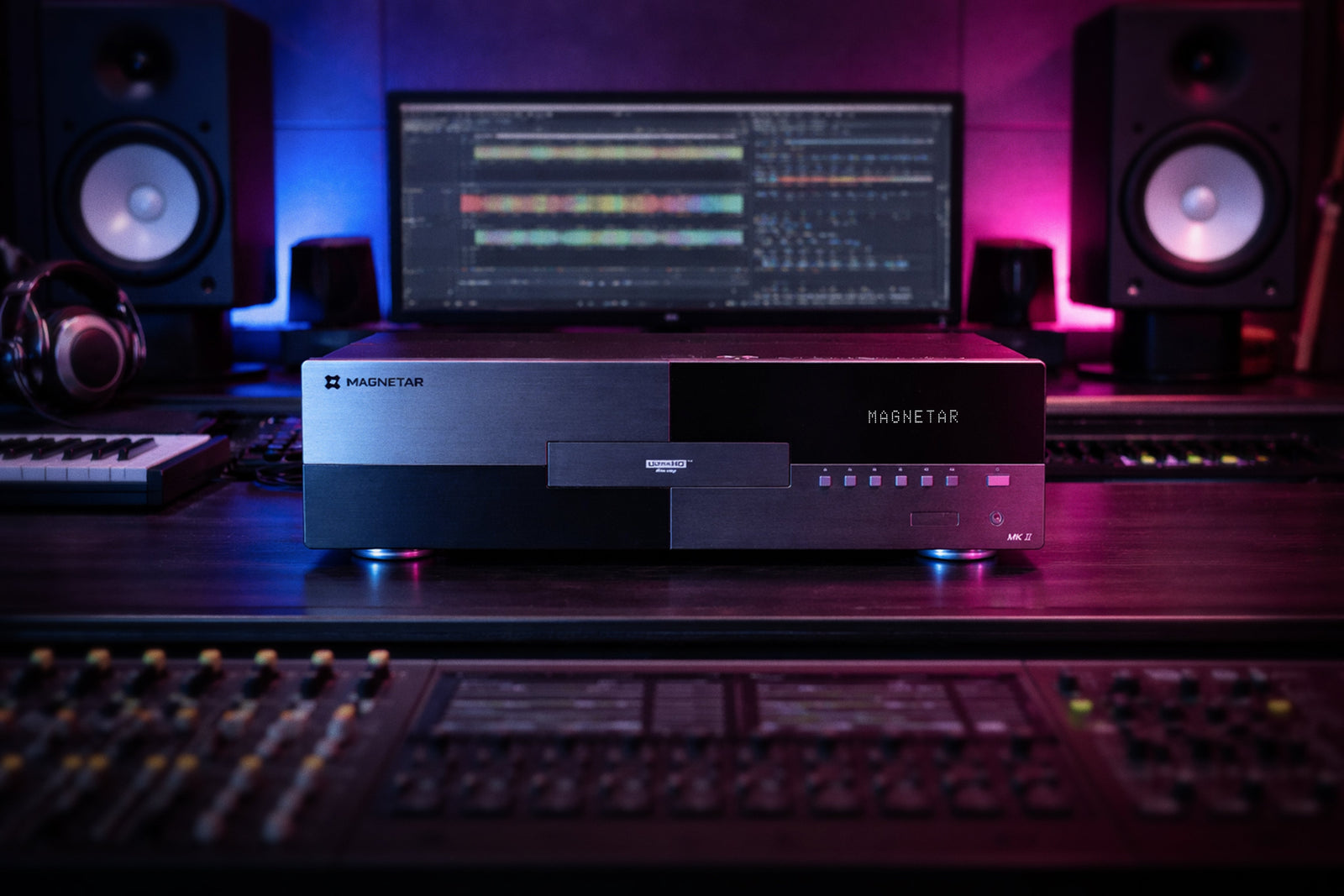
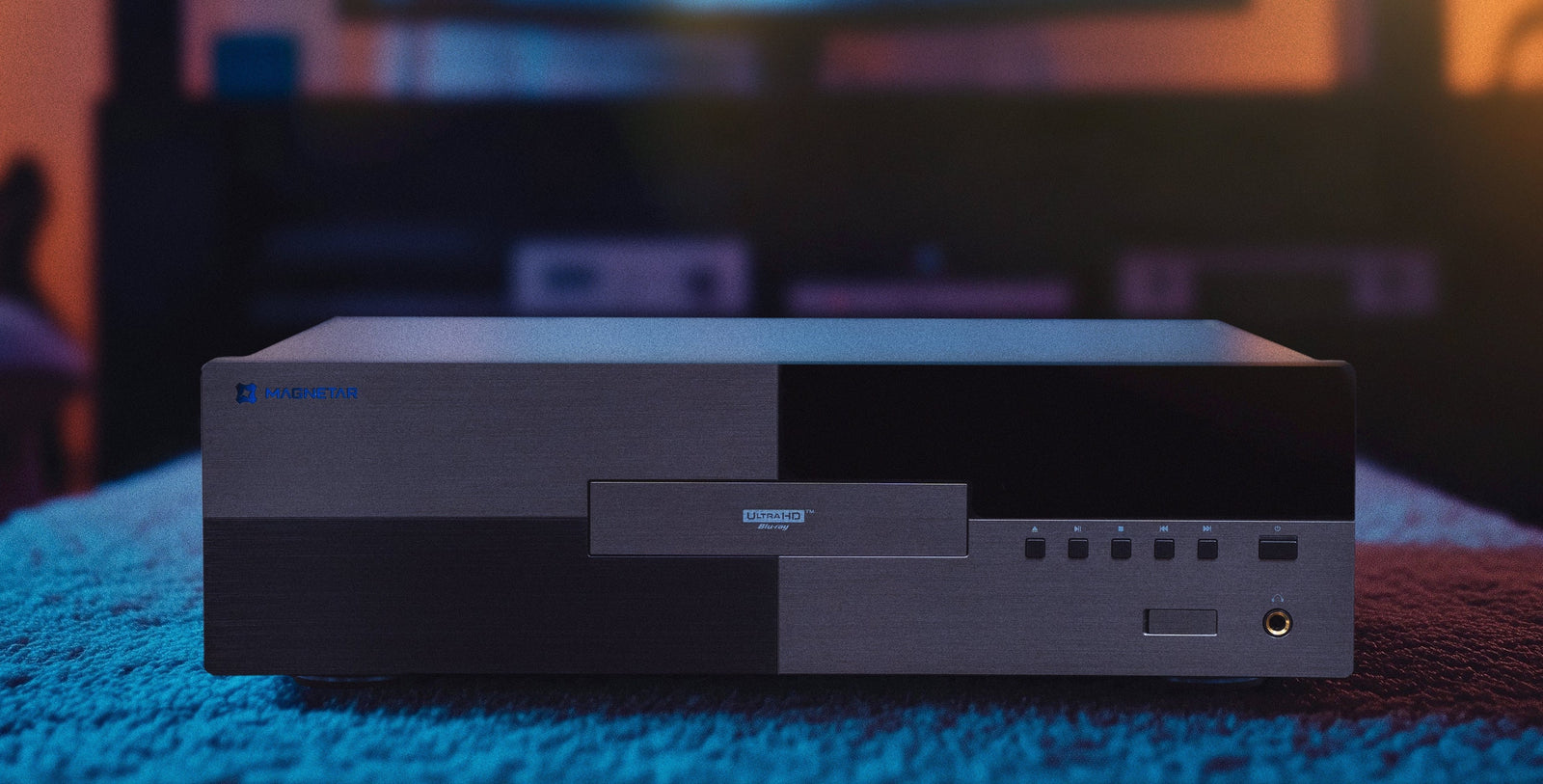
A premium universal disc player is designed to reliably read complex physical media and deliver the encoded video and audio data through a high-quality home theater system while supporting the formats enthusiasts seek out in premium releases. For collectors investing time and money into finding specific editions of their favorite films, dependable playback becomes part of protecting that investment. Magnetar universal disc players are built with that enthusiast philosophy in mind: providing a dedicated physical-media source for collections spanning Ultra HD Blu-ray, Blu-ray, DVD, CD, SACD and other supported formats. Once you’ve gone through the trouble of finding the edition you want, the final step is experiencing what was actually put on the disc.
The Disc Is Part of the Movie’s History
Perhaps the most interesting thing about comparing 4K releases is what it reveals about physical media itself. A disc is more than a container for a movie, it’s a snapshot of how that movie was preserved, restored, mastered and presented at a particular moment in time.
A 2018 release and a 2026 restoration might contain the same film but represent completely different generations of technology and creative decision-making.
One may preserve an older master while another may return to the original negative. One might contain a soundtrack no longer available elsewhere, and yet another may introduce a new HDR grade. Years later, another edition may still appear.
For casual viewers, those differences may not be too important. For enthusiasts, however, they’re part of what makes physical-media collecting fascinating. Sometimes finding your favorite movie is only the beginning of a rabbit hole that later becomes:
Which version of it do you want to own?