


For years, conversations about physical media have tended to revolve around one question: Is it dying?
It is an understandable question. Streaming has fundamentally changed the way people consume movies and television. The convenience of opening an app and instantly accessing thousands of titles has transformed home entertainment, while physical media has become less visible in mainstream retail than it was during the height of DVD and Blu-ray.
But perhaps we have been asking the wrong question.
Instead of asking whether physical media will ever reclaim its position as the dominant way people watch movies at home, there may be a more interesting possibility to consider:
What if physical media doesn’t need to be mainstream to have a strong future?
Across numerous industries, products that were once mass-market necessities have evolved into enthusiast-driven premium categories. Vinyl records survived the rise of CDs, downloads, and streaming. Mechanical watches remain desirable despite smartphones providing more accurate timekeeping. Dedicated cameras continue to attract photographers even though nearly everyone carries a capable camera in their pocket.
In each case, convenience won the mass market, but other (very important) things survived alongside it...
Craftsmanship, ownership, performance, collectability, and enthusiasm.
Physical media and high-end home theater may increasingly be following a similar path. Rather than disappearing, we may be witnessing the emergence of a boutique era of home entertainment; one in which the audience may be more specialized, but the products, experiences, and communities serving that audience become increasingly focused on quality.

From Mass-Market Product to Enthusiast Culture
There was a time when owning physical movies was simply how home entertainment worked. VHS tapes filled cabinets, DVDs filled shelves, video rental stores were everywhere, and when consumers wanted permanent access to a movie, they purchased a physical copy. The arrival of streaming fundamentally changed that relationship.
For the average viewer, streaming solved several problems at once. There was no disc to store, no player to operate, and no collection taking up space. A massive library could be accessed through a television, phone, tablet, or streaming device. For millions of viewers, that convenience is more than sufficient. And yet...when a technology becomes less 'necessary" for the average consumer, the remaining audience often becomes more intentional.
People who continue purchasing physical media increasingly do so because they specifically value what physical media offers, and that changes the market. Instead of simply buying “a copy of a movie,” collectors may seek particular restorations, transfers, packaging, special features, audio mixes, limited editions, steelbooks, box sets, or releases from specialty labels. That's when physical media becomes a hobby in and of itself.
We Have Seen This Before
The evolution of vinyl provides perhaps the clearest comparison. Digital music eliminated the practical necessity of owning records. Streaming then removed even more friction, providing immediate access to enormous music libraries, and yet...vinyl did not vanish.
Instead, records increasingly became objects for listeners who valued the physical experience surrounding music: album artwork, liner notes, collecting, turntables, mastering differences, pressing quality, and the deliberate act of selecting an album and playing it. Importantly, vinyl did not need to replace Spotify to remain culturally relevant. The two experiences serve different purposes.
The same principle can apply to home entertainment.
Streaming is extraordinarily good at providing convenient access to content, yet physical media can offer something different: ownership, consistency, collectability, high-quality playback, special features, and a tangible connection to a film library. Those experiences can coexist.
The future of physical media therefore depends upon serving the viewers who already care deeply about movies.
The Rise of the Boutique Label
One of the strongest signs of this transition is the importance of specialty physical-media publishers. Companies devoted to restoration, preservation, collector packaging, special features, and carefully curated catalogs have helped transform physical releases into something far more substantial than a plastic case containing a movie.
For enthusiasts, the label behind a release can sometimes become nearly as interesting as the title itself.
Collectors discuss transfers, compare restorations, evaluate audio tracks, follow announcements of upcoming releases, examine packaging and artwork, and seek out limited editions and newly produced documentaries or commentaries.
In other words, purchasing physical media increasingly resembles participation in a collector culture rather than simply acquiring access to entertainment. and that is a significant distinction. When consumers can stream a movie with a few button presses, a physical edition has an opportunity to justify its existence by offering more: each disc becomes a collectable artifact.
The Movie Shelf Becomes a Curated Library
Streaming services are built around abundance. Open any streaming app, and you'll likely encounter thousands of choices. Recommendation algorithms attempt to predict what you might want to watch next, while titles continually enter and leave catalogs. But a personal physical-media collection works differently:
Every title on the shelf was deliberately chosen, and that creates a curated personal archive. A movie collection can reflect decades of taste. There may be films discovered in childhood, favorite directors, beloved franchises, obscure horror movies, international cinema, animation, concert films, documentaries, or beautifully restored classics.
Collectors are going above and beyond merely "accumulating content". Instead, they are building libraries. That distinction becomes increasingly meaningful when access to digital entertainment feels increasingly temporary. A streaming catalog belongs to a service, while a physical collection belongs to the collector.
Convenience and Quality Are No Longer the Same Conversation
One of the most important aspects of the boutique era is recognizing that streaming and physical media do not necessarily need to compete on identical terms. Streaming’s greatest strength is convenience. Physical media’s strengths can include ownership, predictability, collectability, and high-quality playback.
A viewer may happily stream casual television during the week and still choose a 4K Ultra HD disc when sitting down for a serious movie night. These behaviors shouldn't be perceived as contradictory; rather, they reflect different priorities at different moments.
This is similar to someone listening to music through wireless earbuds throughout the day and then playing a record or high-resolution audio through a dedicated system at home...one experience does not invalidate the other. It would be a mistake to assume that every entertainment technology must completely replace whatever came before it. Increasingly, consumers appear comfortable maintaining multiple ways of experiencing media.
The Hardware Market Changes Too
If physical media becomes more enthusiast-oriented, the equipment surrounding it naturally evolves as well. During the peak of DVD and Blu-ray adoption, disc players existed at virtually every price point. For many households, a player was simply another commodity electronics purchase.
An enthusiast market asks different questions:
*How well is the device constructed?
*How reliably does it handle different disc formats?
*How does it integrate into a sophisticated AV system?
*Which audio formats does it support?
*How is the internal architecture designed?
*What connectivity does it offer?
*How much attention has been paid to mechanical stability, power delivery, signal integrity, thermal management, and component selection?
This is where the evolution of physical media intersects with the evolution of high-end home theater.
As the casual market becomes increasingly centered around integrated smart TVs and streaming devices, dedicated playback hardware can become increasingly focused on people who actively care about playback. That does not necessarily mean everyone needs premium equipment, but it does mean the people who do want dedicated hardware may increasingly expect more from it.
Universal Disc Players Fit Naturally Into This World
A boutique home-entertainment market also makes versatility increasingly valuable. Collectors rarely build libraries around a single format. A serious media shelf might contain Ultra HD Blu-ray, standard Blu-ray, DVD, CD, SACD, DVD-Audio, concert releases, imported discs, and other specialized formats accumulated over many years.
A universal disc player recognizes a simple reality:
Collections have histories. People do not necessarily discard everything they owned when a new format appears. A movie library can span decades, and a music collection may span even longer. This makes backwards compatibility and broad format support particularly important within enthusiast systems. Rather than treating older formats as irrelevant, universal playback allows a home theater to function as a bridge between generations of physical media.
That philosophy becomes increasingly valuable as physical collections themselves become more curated and personal.
Scarcity Can Increase Appreciation
Mass-market entertainment is defined by abundance, but boutique markets often operate differently. Limited editions, specialty restorations, collector packaging, discontinued releases, and rare titles introduce an element that digital libraries rarely reproduce: scarcity.
Scarcity changes how people interact with objects. A collector who tracks down a particular edition may research it beforehand, compare versions, learn about the restoration, examine the included supplements, and take care of the release after purchasing it.
The movie itself may be identical at the narrative level, but the relationship with the object is different. This is one reason collector communities remain so passionate. The hobby extends beyond watching movies into preservation, discovery, research, organization, and appreciation.
Physical Media Can Become More Specialized Without Becoming Irrelevant
It's easy to interpret declining mass-market visibility as evidence that a technology has no future, but history suggests otherwise. Many products survive by changing their role. Mechanical watches no longer dominate timekeeping, vinyl records no longer dominate music distribution, printed books coexist with ebooks and audiobooks, dedicated cameras coexist with smartphones.
And yet, none of those products needs to regain universal adoption to maintain an enthusiastic market. Their value comes from serving people who care about the particular experience they provide.
Physical media may increasingly occupy similar territory. That could mean: fewer casual purchases but more intentional ones, fewer commodity releases but more collector-focused editions, less emphasis on physical media as the default method of watching movies and more emphasis on physical media as the premium method of owning and preserving the movies people care about most.
Home Theater Itself Is Becoming More Intentional
The same transformation is occurring beyond discs. For many consumers, a television with integrated streaming apps and a soundbar provides an excellent entertainment experience, and that is perfectly reasonable.
But another audience wants something different. They want projectors or premium displays, separate amplification, carefully positioned speakers, subwoofers, room correction, acoustic treatment, dedicated seating, calibrated video, physical media libraries, and specialized playback equipment.
These consumers are not necessarily rejecting convenience; rather, they're pursuing immersion. That distinction is important, because enthusiast markets succeed by serving people who already care.
A Smaller Market Can Still Be an Ambitious Market
One of the most interesting possibilities for the future of physical media is that reduced mass-market scale could encourage greater specialization. When products are designed primarily for enthusiasts, manufacturers and publishers can focus on features that enthusiasts actually value.
*For disc releases, that can mean thoughtful restorations, high-quality encoding, premium packaging, extensive supplements, and careful presentation.
*For hardware, it can mean build quality, format compatibility, connectivity, reliability, engineering, and performance.
The result may be a marketplace that is smaller than the DVD boom of the early 2000s but considerably more specialized. This should be viewed as maturation rather than decline.
The Value of Intentional Entertainment
Perhaps the most interesting aspect of the boutique era has little to do with specifications. Instead, it is about intentionality. Streaming encourages exploration through abundance, which can be wonderful...but abundance can also create endless browsing.
A physical collection introduces a different habit. You walk to the shelf, look through the movies you chose to own, select one, remove the disc, dim the lights, and start the system.
For the next two hours, that movie becomes the event...and for true home theater enthusiasts, that ritual is part of the appeal. The objective is to create an entire experience, instead of simply consuming content as efficiently as possible.
The Future May Be Boutique, Not Extinct
Physical media does not need to defeat streaming, dedicated home theater equipment does not need to return to every living room, and every consumer does not need to become a collector. Those may be the wrong measurements of success.
A better angle to consider is whether there remains a passionate audience that values ownership, quality, preservation, craftsmanship, and the experience of building a personal media library.
If that audience exists (spoiler alert: it absolutely does), then there is room for publishers, manufacturers, retailers, and creators to serve it. The future of physical media may therefore look less like the mass-market DVD era and more like vinyl, enthusiast photography, high-end audio, or mechanical watches: specialized, intentional, collector-driven, and deeply appreciated by the people who participate in it.
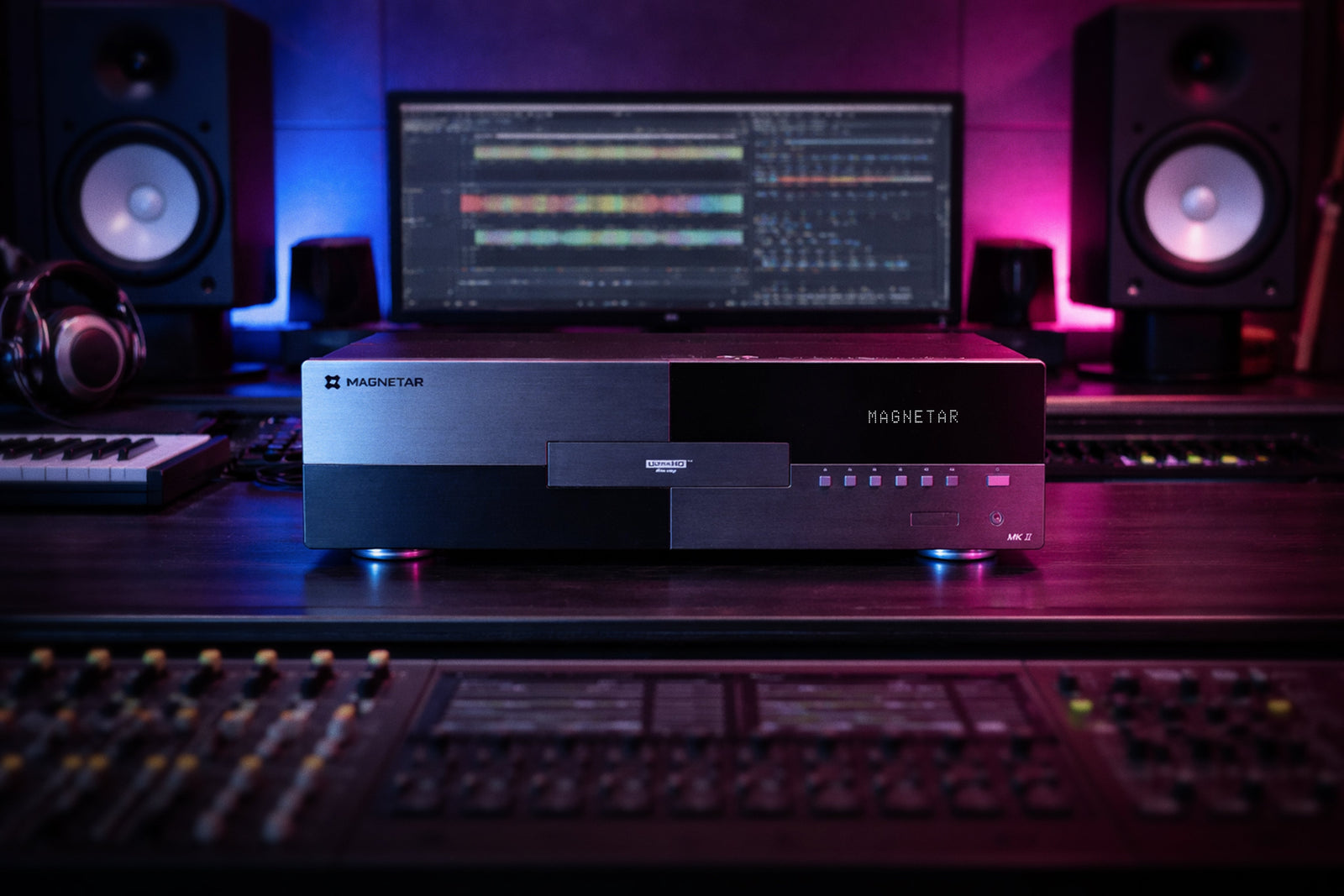
And that is exactly where companies like Magnetar fit.
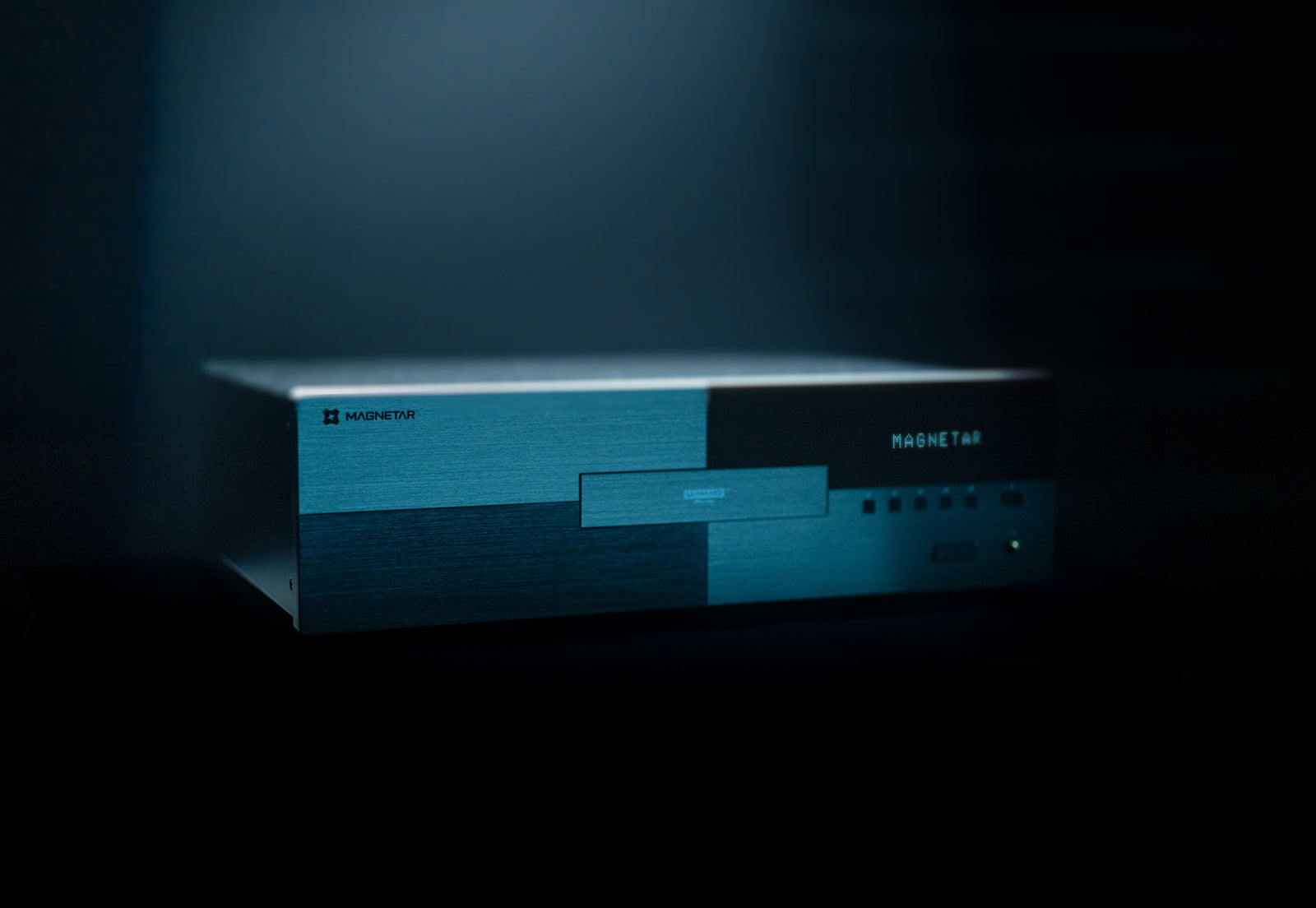
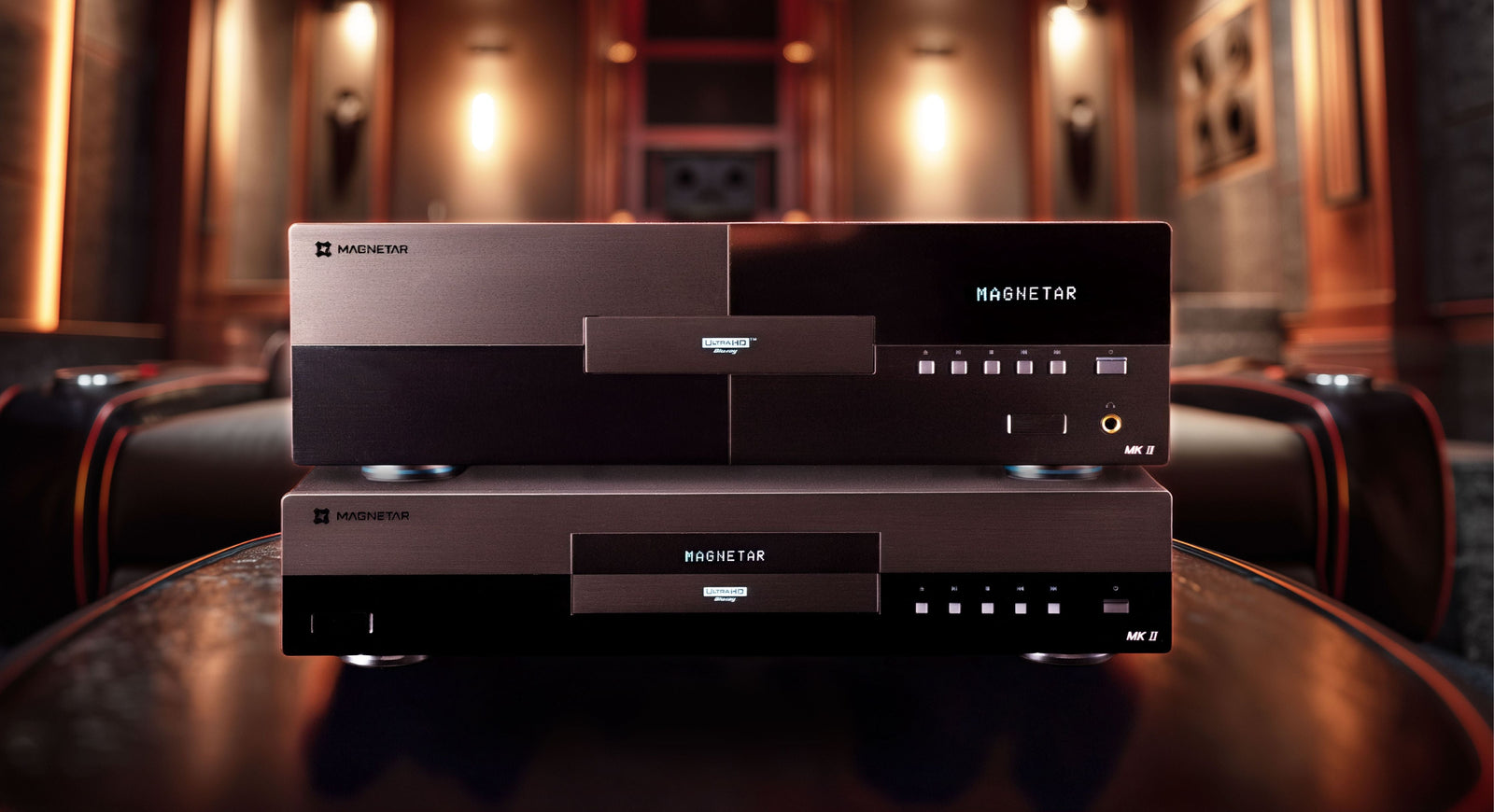
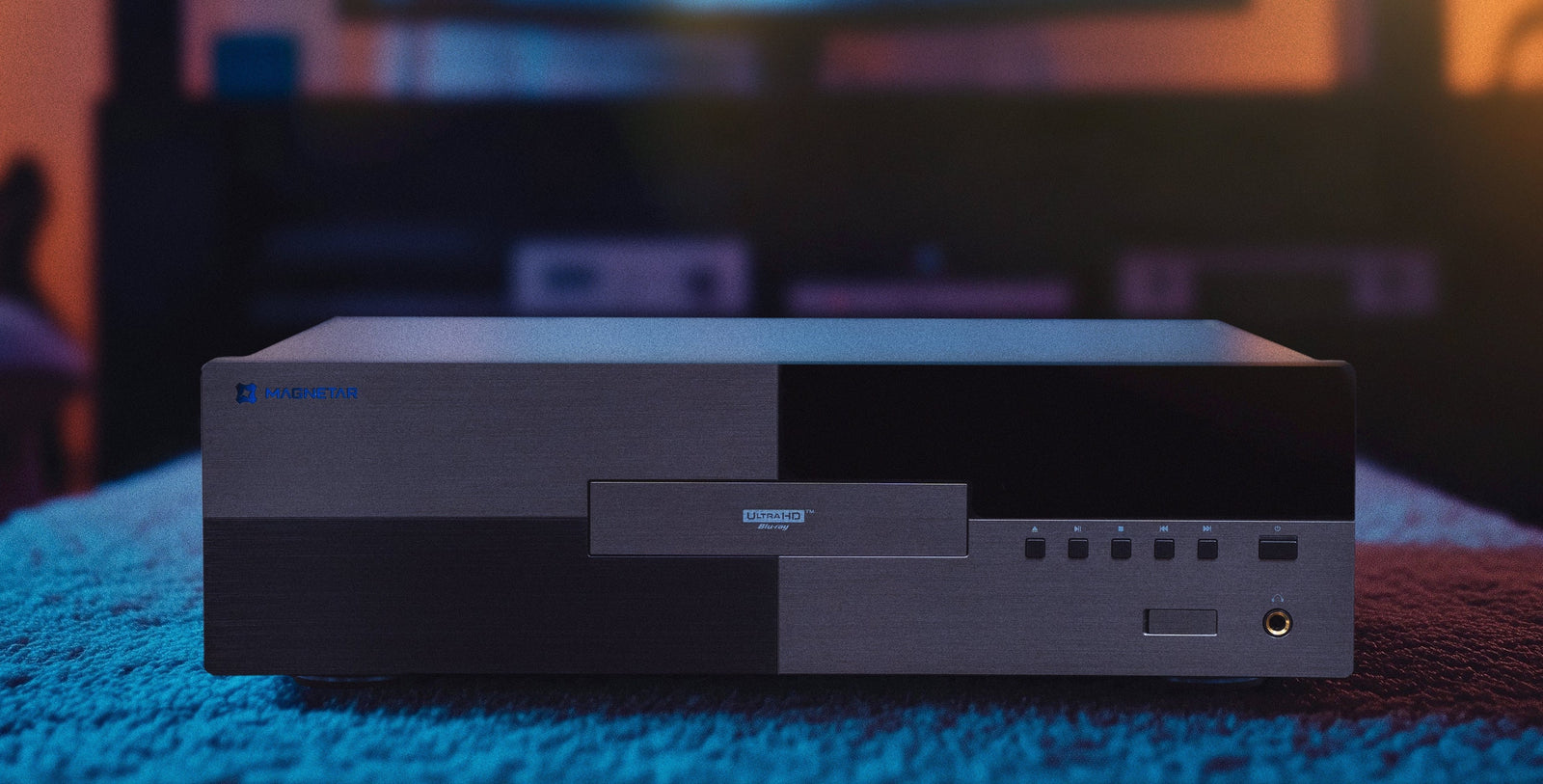
Magnetar universal disc players are designed for enthusiasts who know that physical media is far more than disposable content, and that a curated library is worth experiencing at its best. From 4K Ultra HD Blu-ray and Blu-ray to specialized audio formats and carefully curated collections built over decades, premium universal playback reflects the same philosophy driving the broader boutique home-entertainment movement.
The next chapter of physical media isn't about returning to the past...it's about becoming something more specialized for the future.