


For decades, physical media defined how we discovered, experienced, collected, and connected with film, television, and music. From vinyl records and cassette tapes to VHS, DVD, Blu‑ray, and Ultra HD Blu‑ray, these formats were more than delivery mechanisms; they were cultural artifacts. They shaped rituals, communities, and even the way stories were preserved for future generations.
As streaming and digital convenience surged, physical media receded from the mainstream. While the benefits of instant access are undeniable, the decline of physical media quietly took something profound with it. What was lost wasn’t just plastic discs or packaging; it was ownership, intentionality, permanence, and a deeper relationship with art itself.
This is not a rejection of modern technology, but an honest look at what disappeared when physical media stopped being the center of home entertainment.

Ownership Became a License
One of the most significant losses was true ownership. Physical media allowed consumers to own what they purchased. A disc could be watched anytime, anywhere, without permission, subscription status, or licensing agreements standing in the way. Once it was yours, it stayed yours.
In the streaming era, most content is merely rented through licenses that can change or disappear overnight. Films and television shows regularly rotate off platforms due to shifting contracts. Entire catalogs vanish without warning. Scenes are edited, music tracks replaced, or versions altered; often without transparency.
Physical media preserved a definitive version of a work. It gave viewers confidence that what they loved would remain exactly as it was intended, untouched by corporate or algorithmic revision.
Visual and Audio Quality Took a Back Seat
Streaming normalized compromise. Bitrate compression, fluctuating bandwidth, and device limitations quietly lowered the standard for picture and sound quality. While streaming looks good enough on most screens, it rarely delivers the full cinematic experience.
Physical formats, especially Blu‑ray and Ultra HD Blu‑ray, prioritize quality. They offer higher bitrates, uncompressed or lossless audio, and consistent performance regardless of internet conditions. Shadow detail, color depth, dynamic range, and spatial audio are all preserved with care.
When physical media declined, so did widespread appreciation for what premium image and sound truly look and feel like. Many viewers simply never experienced their favorite films the way filmmakers and sound designers intended.
The Ritual of Watching Disappeared
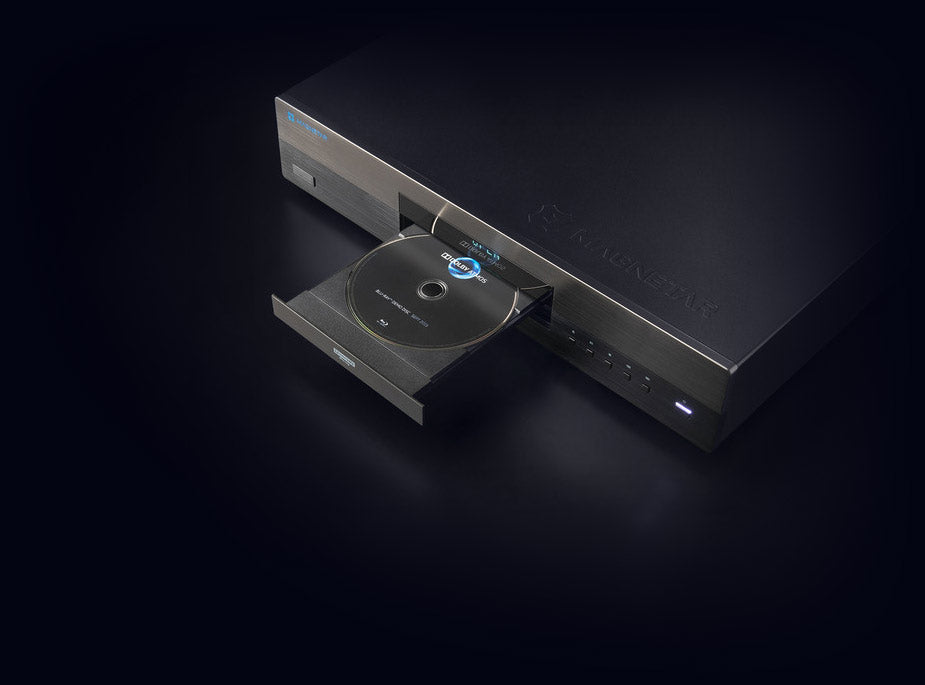
Physical media encouraged intentional viewing. Choosing a disc, opening the case, placing it into a player; all of these actions created a moment of anticipation. Watching a film felt deliberate rather than disposable.
Streaming shifted entertainment into a passive, background activity. Endless scrolling replaced curation. Auto-play replaced choice. Content became something to consume quickly rather than experience fully.
With physical media, movie nights felt special. Families gathered. Lights dimmed. Phones were set aside. The act of watching was an event, not just another tab open while multitasking.
Special Features Became an Afterthought
Bonus features were once an essential part of the experience. Director commentaries, behind‑the‑scenes documentaries, deleted scenes, storyboards, and production journals deepened appreciation for the craft.
These features educated audiences about filmmaking, inspired future creators, and preserved production history. They offered context, intention, and humanity behind the finished product.
In the streaming era, supplemental content is inconsistent at best and nonexistent at worst. When included, it is often abbreviated, algorithm‑driven, or removed over time. A vast archive of creative insight quietly faded away.
Collecting and Curated Identity Were Lost
Physical media collections were deeply personal. Shelves reflected taste, identity, and curiosity. They told a story about who someone was, the genres they loved, the directors they followed, the eras they cherished.
Collections sparked conversations. Guests browsed shelves and discovered shared interests. Recommendations came from lived experience rather than algorithms.
Streaming flattened this individuality. Everyone now sees similar recommendations based on engagement metrics rather than passion. The sense of proudly curating a personal archive has largely vanished from everyday life.
Cultural Preservation Weakened
Physical media served as a form of cultural insurance. It preserved films that might otherwise be forgotten, neglected, or deemed commercially unviable. Niche genres, international cinema, director cuts, and restorations thrived because physical formats supported them.
Without physical releases, many titles are vulnerable to digital extinction. If a film isn’t profitable enough to stream, or becomes legally complicated, it can disappear entirely.
Physical media ensured that art could outlive trends, platforms, and corporate priorities.
Independent and Boutique Voices Were Marginalized
Physical media supported boutique labels, restorations, and independent creators who championed film as art rather than content. Carefully curated releases celebrated cinema history with scholarly care and reverence.
As physical retail shrank, so did visibility for these voices. While boutique labels still thrive among enthusiasts, their reach is smaller than it once was, and many casual viewers no longer encounter curated cinema outside algorithmic feeds.
The Tangibility of Art Was Lost
There is something irreplaceable about holding art in your hands. Liner notes, cover design, packaging materials, disc art — these elements made media tactile and emotionally resonant.
Physical media created a sensory relationship with art. The weight of a case, the texture of paper, the visual language of cover art all contributed to memory and attachment.
Digital files, by contrast, are invisible and interchangeable. They live behind screens, easily deleted, easily forgotten.
Longevity and Reliability Were Sacrificed
Streaming depends on infrastructure, servers, subscriptions, internet access, and corporate solvency. Physical media, when properly cared for, can last decades.
Discs don’t buffer. They don’t get geo‑blocked. They don’t disappear when a platform shuts down or a password is forgotten.
Physical collections offered peace of mind and continuity in a constantly shifting digital landscape.
What Physical Media Still Represents Today
Despite its decline, physical media has not disappeared...it has evolved. Today, it represents intentional ownership, premium quality, and respect for art. Enthusiasts who continue to collect are not resisting progress; they are preserving values.
Modern physical formats coexist with streaming, offering a choice rather than a limitation. They remind us that convenience should not come at the cost of quality, permanence, or connection.
A Path Forward: Balance, Not Nostalgia
The future of entertainment does not require abandoning streaming. Convenience has its place. But the decline of physical media revealed what happens when access replaces ownership and speed replaces care.
Re‑embracing physical media, even selectively, restores balance. It brings back intentional viewing, superior quality, and a deeper relationship with storytelling.
In an age of infinite content, physical media asks us to slow down, choose thoughtfully, and remember that art is meant to be experienced, not just consumed.
What was lost when physical media declined wasn’t the past.
It was meaning.
Why Magnetar Believes Physical Media Still Matters
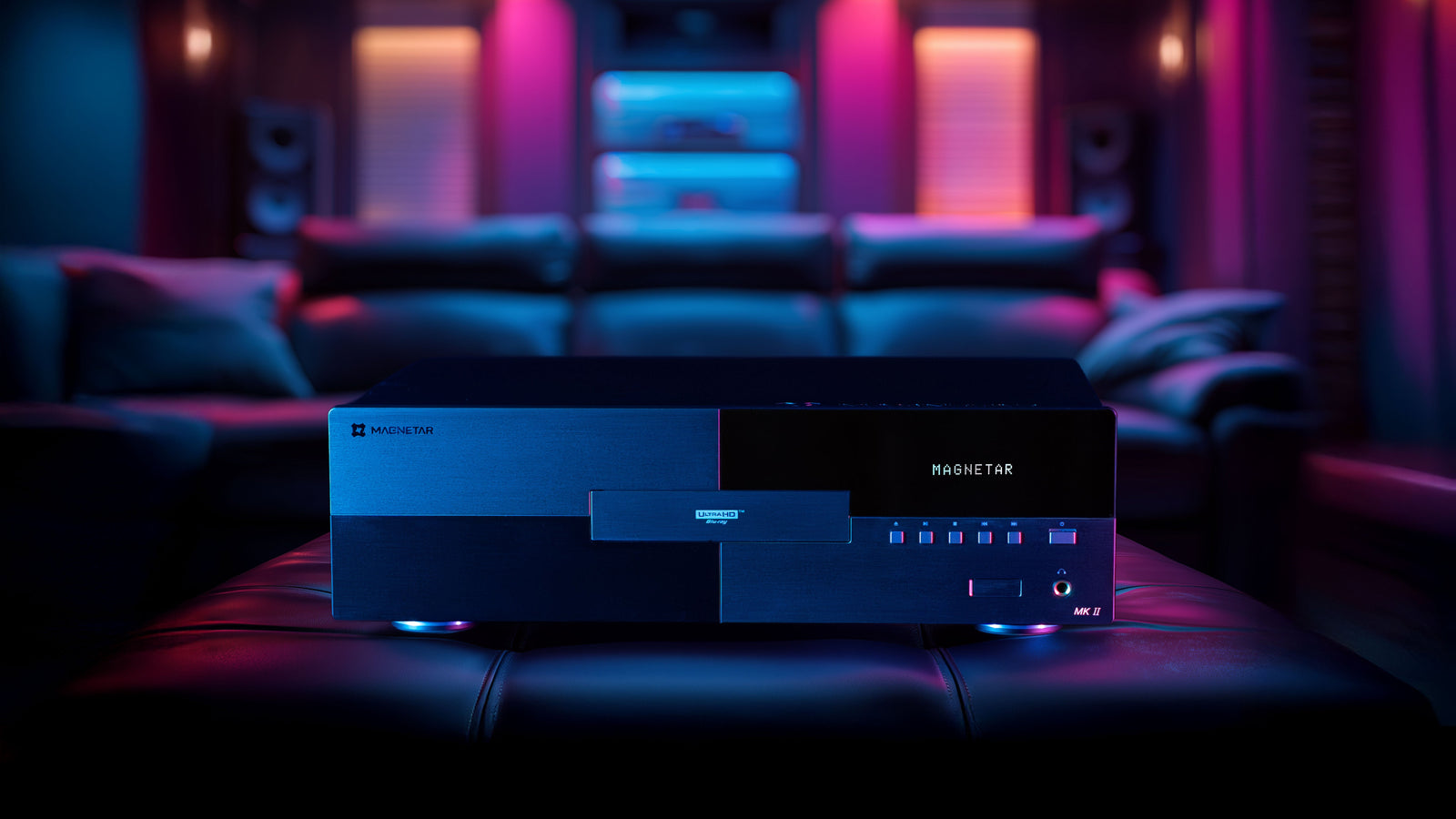
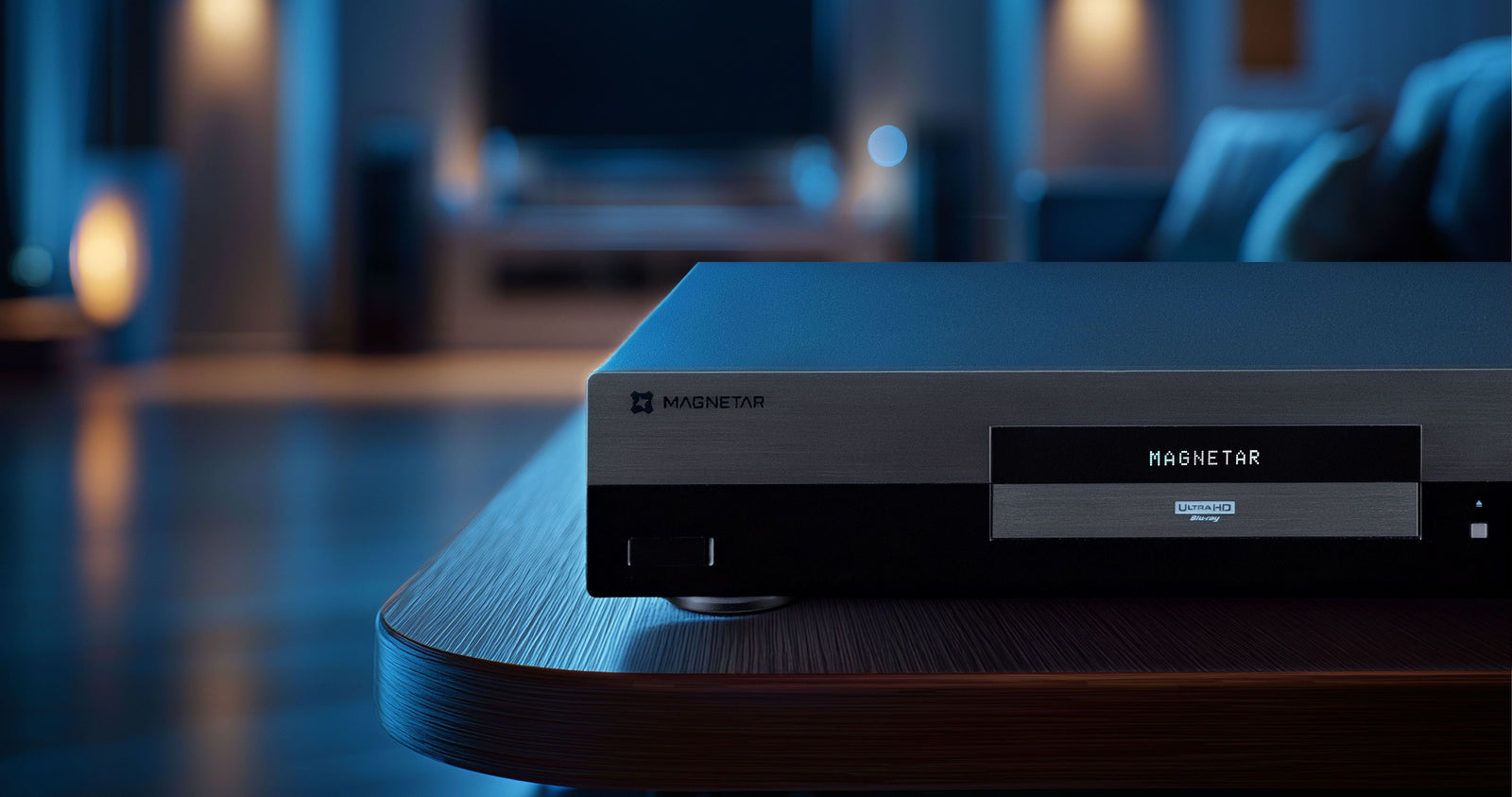
At Magnetar, physical media isn’t about resisting change, it’s about preserving what makes great storytelling great. True ownership. Reference‑grade picture and sound. Reliability that doesn’t depend on servers, subscriptions, or shifting licenses.
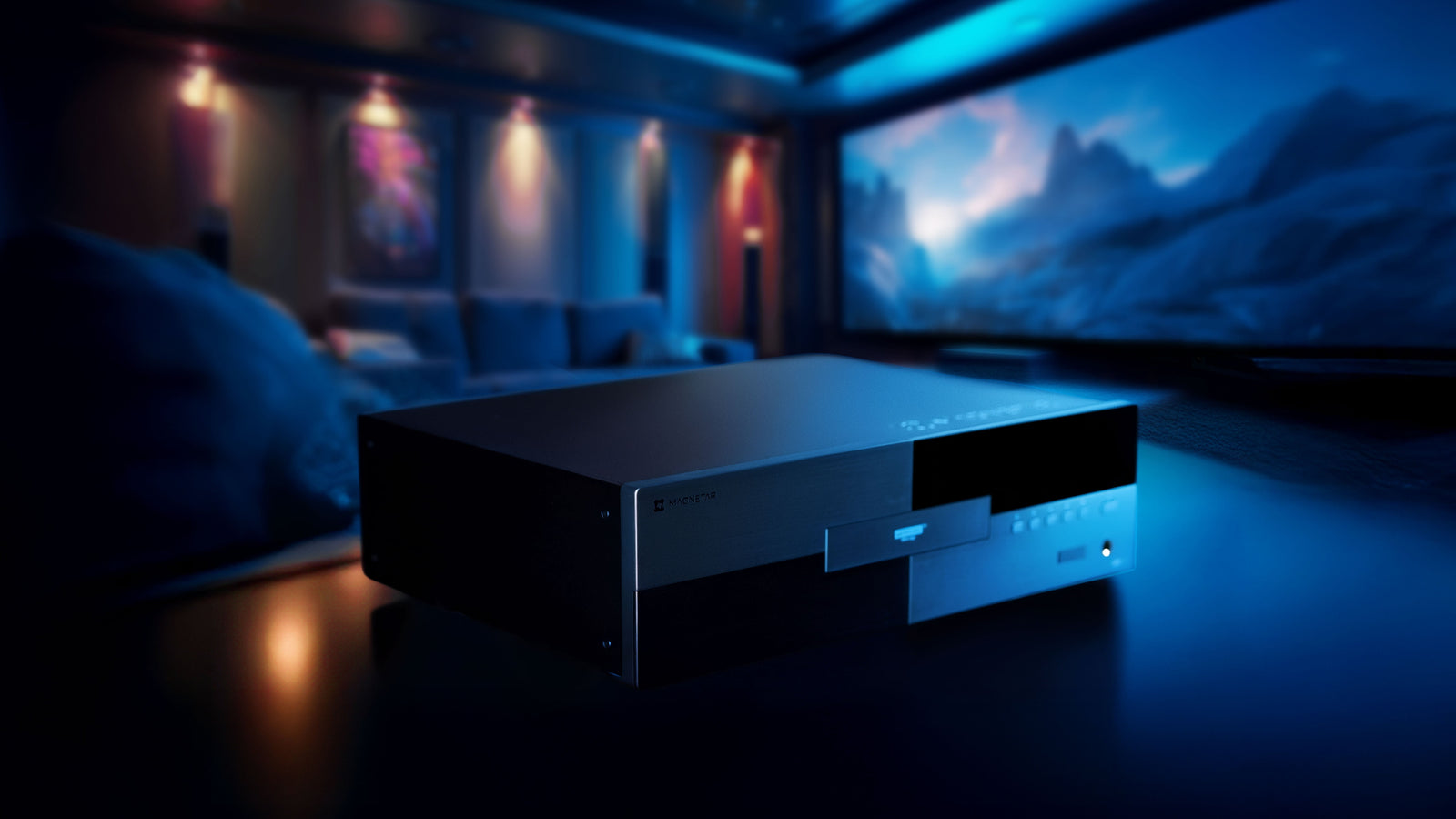
Magnetar players are designed for those who care deeply about how films are experienced, not just watched. By honoring physical media, Magnetar supports the creators, restorers, and collectors who believe cinema deserves permanence, precision, and respect.
In a world of endless content, Magnetar stands for intentional viewing — where every frame, every note, and every moment is experienced exactly as it was meant to be.
Because some things are worth owning forever.