


For many consumers, firmware updates are something associated primarily with smartphones, computers, and apps. Televisions, media players, receivers, and home theater hardware were once expected to behave differently. You plugged them in, connected your cables, and they simply worked for years.
Modern home theater no longer operates that way.
Today’s premium home theater ecosystem is built on constantly evolving standards, changing compatibility requirements, new HDR formats, revised HDMI protocols, copy protection updates, streaming-era expectations, and increasingly complex playback chains. As a result, firmware updates have quietly become one of the most important (and most misunderstood) parts of owning high-end home theater equipment.
In fact, the quality of a manufacturer’s firmware support can now be just as important as the hardware itself.
From Dolby Vision compatibility and HDMI handshaking to BD-J menu fixes and evolving UHD disc authoring requirements, firmware has become the invisible foundation that keeps modern home theater systems functioning properly.
And for enthusiasts who invest in premium playback hardware, that support matters more than ever.

Home Theater Used to Be Simpler
There was a time when home theater components were largely fixed-function devices.
A DVD player released in 2003 would typically behave the same way throughout its entire lifespan. Once the hardware left the factory, very little changed. Firmware updates existed, but most consumers never thought about them. Many players were never updated at all.
The transition to Blu-ray began changing that philosophy.
Blu-ray introduced dramatically more complex authoring systems, internet-enabled functionality, Java-based interactive menus, advanced codecs, and far more sophisticated copy protection systems. Suddenly, players required periodic updates to maintain compatibility with newly authored discs.
Then came 4K UHD Blu-ray, HDR formats, Dolby Vision, HDMI 2.x revisions, HDCP updates, and increasingly complicated AV receiver/display chains.
Modern playback systems became less like static appliances and more like living ecosystems.
The Rise of HDMI Complexity
One of the biggest reasons firmware updates became essential is HDMI itself. While HDMI made modern home theater possible, it also introduced enormous complexity behind the scenes.
Every time you press play on a movie, multiple devices communicate simultaneously:
* The media player
* The AV receiver
* The television or projector
* HDR metadata systems
* HDCP copy protection systems
* Audio format negotiation systems
All of these devices must agree on what signals they support, how those signals are transmitted, and how content should be displayed.
This process is known as HDMI handshaking.
When everything works correctly, the process is invisible. But when compatibility problems occur, symptoms can include:
* Black screens
* Signal dropouts
* Flickering
* Audio loss
* HDR switching failures
* Dolby Vision incompatibility
* Resolution mismatches
As HDMI standards evolved from HDMI 1.4 to 2.0, 2.0b, and eventually 2.1, the complexity increased dramatically.
Firmware updates became necessary simply to maintain stable communication between devices.
HDR Changed Everything
The arrival of HDR created another massive leap in complexity.
Standard Dynamic Range video was relatively straightforward compared to modern HDR systems. But HDR introduced multiple competing formats, metadata systems, tone mapping behaviors, and display compatibility variables.
Today’s home theater ecosystem may involve:
* HDR10
* HDR10+
* Dolby Vision
* Hybrid Log Gamma (HLG)
* Dynamic metadata systems
* TV-specific tone mapping
* Projector-specific HDR handling
Different televisions interpret HDR differently. Some displays aggressively tone map. Others prioritize highlight preservation. Some support low latency Dolby Vision modes while others do not.
As a result, manufacturers often refine HDR compatibility long after a player initially ships.
Firmware updates can improve:
* Dolby Vision handling
* HDR switching behavior
* Metadata accuracy
* Color output stability
* Black level performance
* HDMI compatibility with specific televisions
In many cases, firmware updates have significantly improved image quality and stability for owners months or even years after purchase.
Dolby Vision and the Compatibility Challenge
Dolby Vision deserves special mention because it demonstrates how complicated modern playback systems have become.
Unlike standard HDR10, Dolby Vision involves dynamic metadata that changes scene-by-scene or frame-by-frame. Different playback devices and displays must interpret that metadata consistently for the format to function correctly.
However, Dolby Vision implementations can vary between:
* Disc authoring
* Streaming applications
* Television manufacturers
* AV receivers
* Playback hardware
As a result, firmware refinement is often necessary to ensure proper compatibility across a wide range of systems.
This is one reason premium hardware manufacturers continue investing heavily in firmware development long after release. Supporting evolving display ecosystems requires ongoing optimization.
For enthusiasts investing in reference-quality playback systems, long-term firmware support is no longer optional...it is essential.
BD-Java: The Hidden Layer Most Consumers Never See
Many playback issues blamed on discs or players are actually related to BD-Java, often shortened to BD-J.
Blu-ray discs frequently contain Java-based programming used for:
* Interactive menus
* Bonus features
* Animated navigation
* Seamless branching
* Complex playback logic
This system gives Blu-ray and UHD discs their advanced functionality, but it also introduces software complexity into physical media.
Different studios author discs differently. Some discs use relatively simple menu systems. Others use highly complex programming structures that push players much harder.
Occasionally, newly released discs expose compatibility bugs that were never encountered previously.
Firmware updates often address:
* Menu freezes
* Disc loading failures
* Playback lockups
* Navigation bugs
* Branching errors
* Subtitle synchronization issues
Without firmware support, even excellent hardware can encounter problems with future disc releases.
UHD Blu-ray Is More Demanding Than Many Realize
4K UHD discs place enormous demands on playback hardware.
Triple-layer BD100 discs, advanced HDR metadata, high bitrate video streams, and complex authoring structures all increase the stress placed on optical drives, decoding systems, and HDMI output chains.
This is particularly true for difficult content featuring:
* Heavy film grain
* Dark scenes
* Rapid motion
* Complex Dolby Vision implementation
* High bitrate audio
Firmware optimization helps manufacturers refine:
* Disc compatibility
* Read stability
* Playback buffering
* Error handling
* HDMI output timing
* Audio/video synchronization
Over time, these refinements can substantially improve the user experience.
The Streaming Era Changed Consumer Expectations
Another major shift occurred because streaming services fundamentally changed how consumers think about electronics.
Modern consumers are now accustomed to devices improving over time.
Apps update automatically, operating systems evolve constantly, smart TVs receive feature additions years after launch, and this expectation has carried over into home theater hardware.
Consumers increasingly expect:
* New feature support
* Stability improvements
* Compatibility refinements
* Performance optimization
* Bug fixes
The idea of “living hardware” is now normal.
Premium manufacturers must therefore support products far beyond initial release windows if they want to maintain enthusiast trust.
Firmware Quality Now Reflects Manufacturer Commitment
For enthusiasts, firmware support has become one of the clearest indicators of manufacturer quality.
A company that actively maintains firmware demonstrates:
* Long-term product commitment
* Engineering investment
* Customer support infrastructure
* Responsiveness to enthusiast feedback
* Attention to evolving standards
In contrast, poorly supported hardware often becomes outdated quickly, even if the original hardware itself was excellent.
This is particularly important in premium home theater, where buyers expect long product lifespans.
A high-end media player is not viewed as a disposable device. Owners often expect years of stable, reference-quality performance.
That expectation can only be met through ongoing firmware development.
Why Premium Hardware Still Matters
Some consumers assume firmware alone determines playback quality. But firmware and hardware work together.
A premium player provides:
* Better power supplies
* Higher quality internal components
* More stable signal integrity
* Superior optical drive mechanisms
* Reduced electrical noise
* Improved thermal stability
Firmware then refines and optimizes how those systems operate.
The best playback experience comes from the combination of:
* High-quality engineering
* Stable hardware architecture
* Long-term firmware refinement
That partnership is what separates enthusiast-grade hardware from disposable electronics.
The Future of Home Theater Will Be Increasingly Software-Driven
As home theater technology continues evolving, firmware importance will only increase.
Future playback ecosystems may involve:
* More advanced HDR systems
* AI-assisted video processing
* Expanded HDMI feature sets
* New audio format refinements
* Evolving copy protection systems
* More complex display interoperability
In other words, modern home theater hardware is no longer static.
It is adaptive technology.
For enthusiasts, this means choosing products from manufacturers committed to long-term support becomes increasingly important.
Because in today’s home theater world, the hardware you buy is only part of the story.
The firmware behind it may ultimately determine how well that hardware performs for years to come.
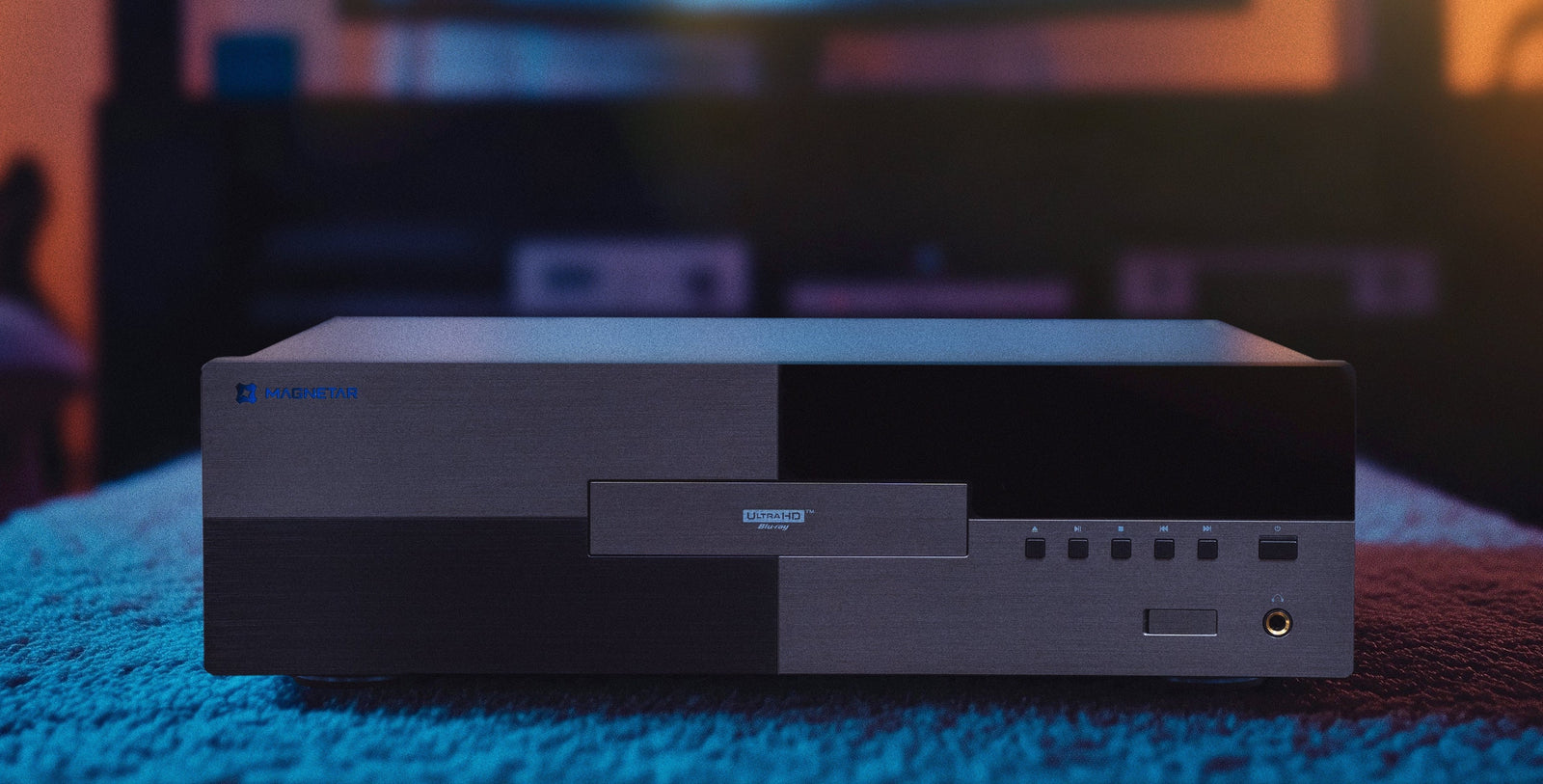
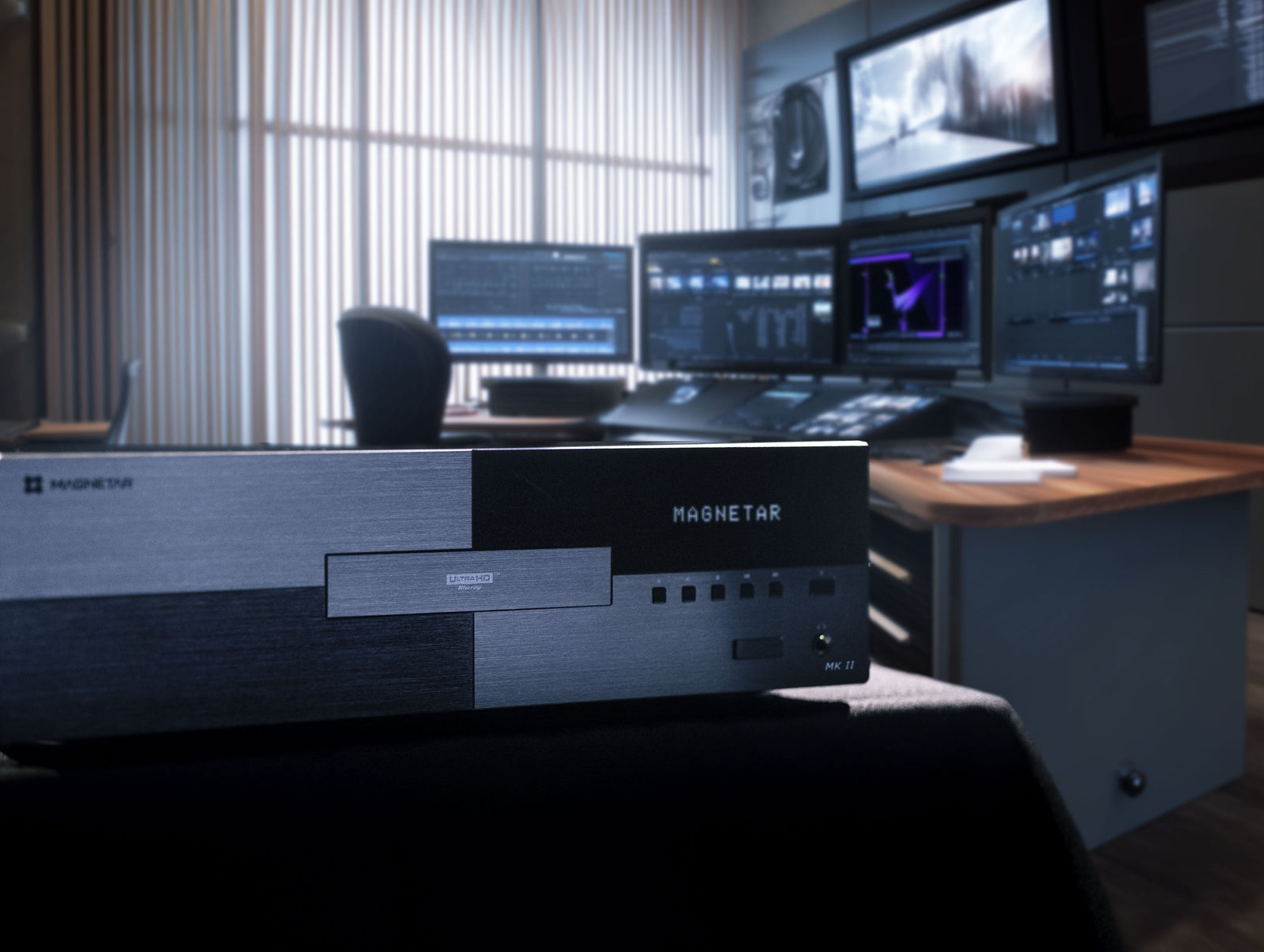
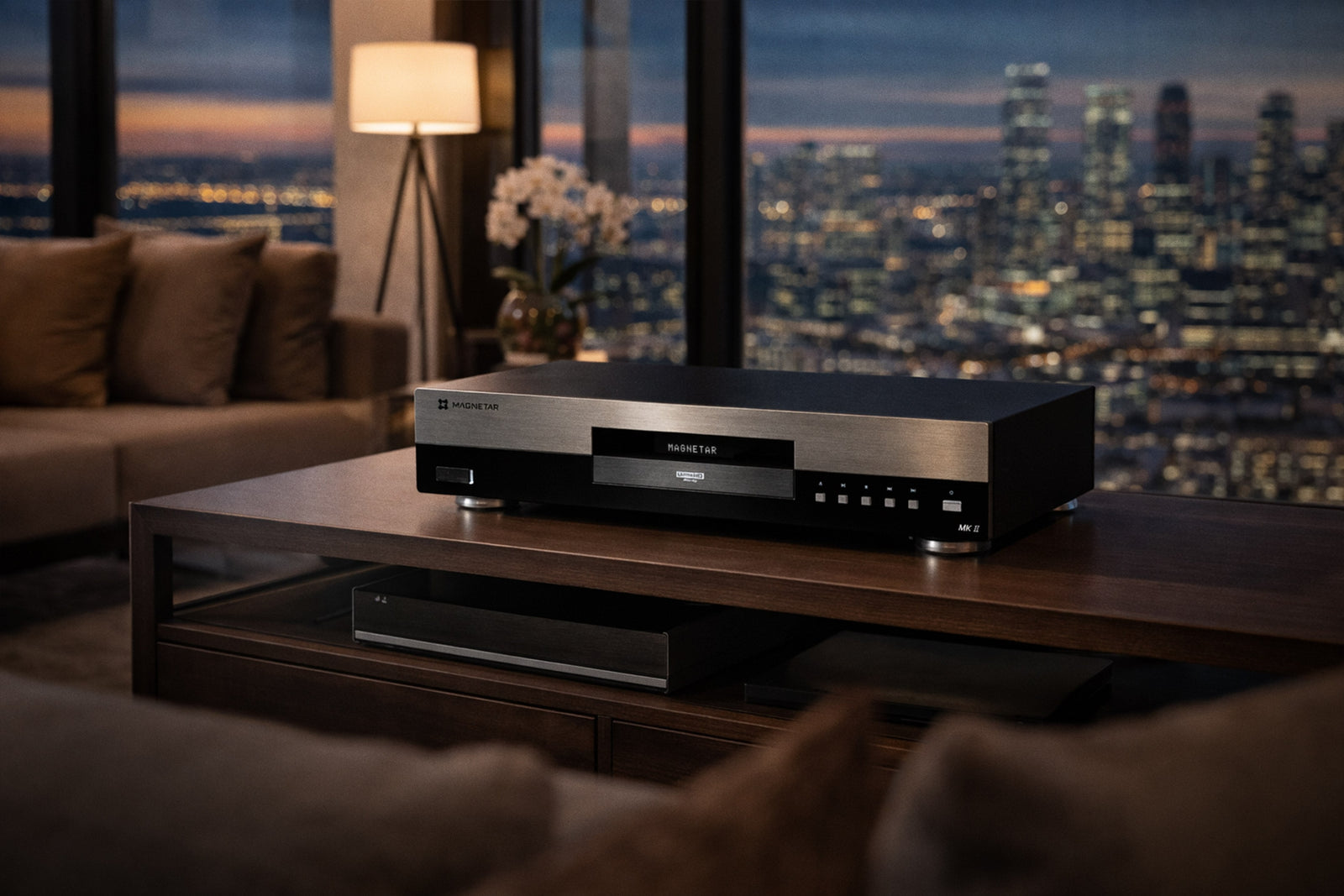
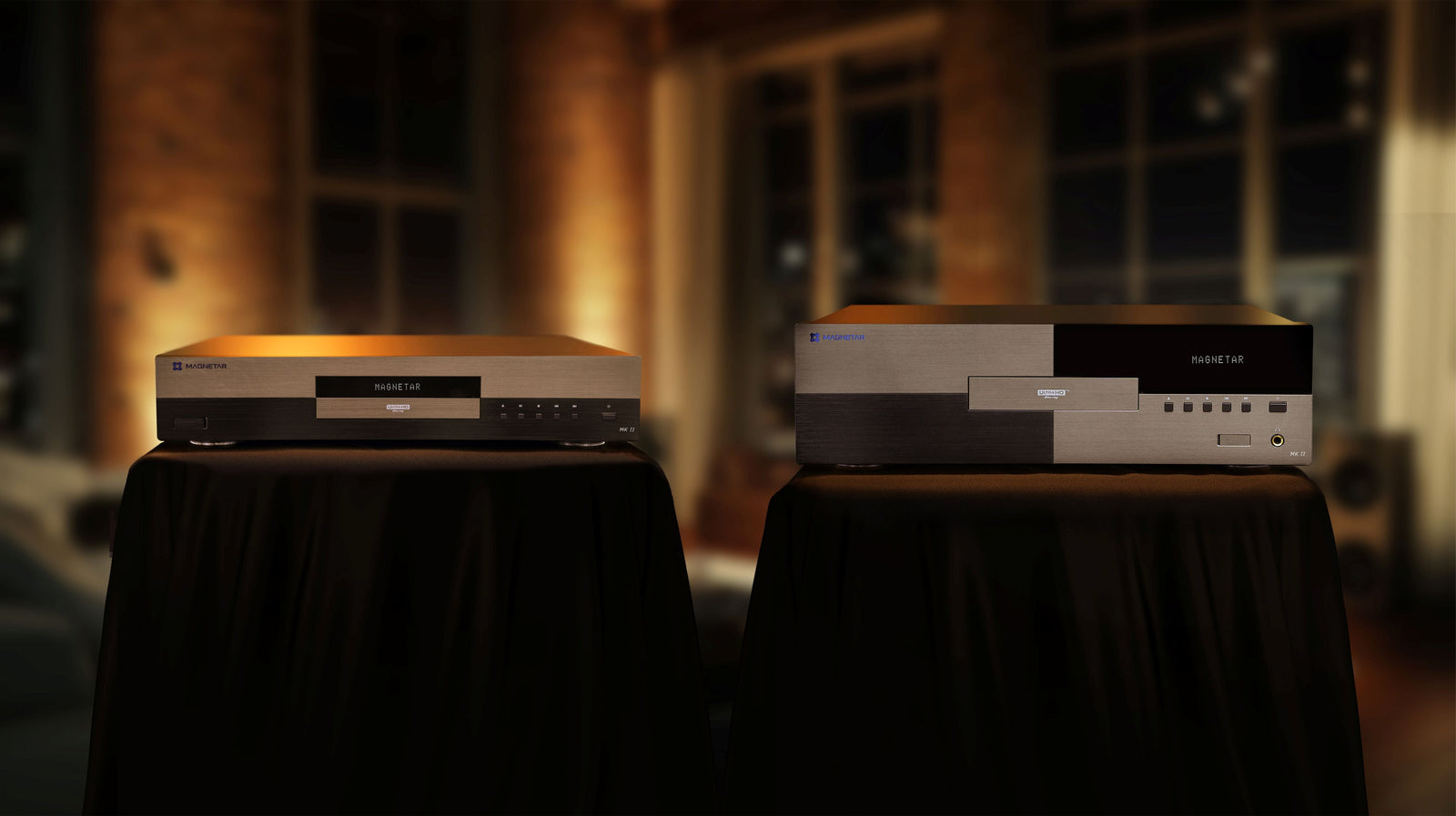
Premium home theater is ultimately about trust; trust that your equipment will continue delivering exceptional performance as technology evolves around it. That commitment to long-term playback stability, compatibility, and refinement is one reason enthusiasts continue investing in dedicated, high-performance media players designed specifically for serious home theater environments.
At Magnetar, that philosophy remains central to the experience: combining premium hardware engineering with ongoing firmware refinement to help ensure reliable, reference-quality playback for years to come.