



Introduction: The Formats That Were Supposed to Disappear
For decades, the entertainment industry has followed a familiar pattern. A new format arrives, promises to revolutionize how we experience music and movies, and quickly becomes the focus of predictions about the inevitable disappearance of whatever came before it.
Vinyl records were supposed to become obsolete when compact discs entered the mainstream. CDs were expected to disappear as MP3 downloads and digital music libraries became commonplace. DVDs faced predictions of extinction following the introduction of Blu-ray, while Blu-ray itself was supposedly destined to become irrelevant once streaming services offered instant access to enormous catalogs of entertainment.
Yet here we are.
Vinyl records continue to sell. Compact discs remain available from major artists and independent labels. DVDs still occupy retail shelves and personal collections. Blu-ray and 4K Ultra HD Blu-ray releases continue to serve movie enthusiasts, while specialized audio formats such as SACD retain dedicated audiences.
It's true that today, some formats occupy more niche markets, and others face significant challenges involving manufacturing, distribution, and mainstream consumer awareness...but they haven’t disappeared.
Their continued existence challenges one of the most persistent assumptions about technological progress: that the arrival of something newer automatically eliminates the value of what came before. The future of physical media is shaped by the understanding that certain formats remain more than worthy of preservation.

The Format Replacement Myth: Why New Doesn’t Always Mean Better for Everyone
Technological progress is often presented as a straight line. Vinyl gave way to cassette tapes, cassettes were replaced by CDs, CDs were displaced by digital downloads, downloads eventually gave way to streaming.
In home video, VHS was succeeded by DVD, DVD by Blu-ray, and Blu-ray by 4K Ultra HD Blu-ray, even as streaming became the dominant delivery method for many households. This simplified history suggests that each format exists primarily to replace the previous one. But entertainment formats don’t always compete on identical terms. A format can introduce major improvements in one area while offering a different experience in another.
Compact discs, for example, provided convenient track navigation, low-noise playback, and resistance to the gradual surface wear associated with repeatedly playing vinyl records. Vinyl, however, continued offering a distinctive combination of physical presentation, analog playback, collectible packaging, and tactile engagement.
Similarly, Blu-ray introduced significant improvements over DVD in picture quality, storage capacity, and audio capabilities. But DVD remained useful because of its enormous installed base, affordability, and extensive catalog of titles.
The arrival of a newer format doesn’t immediately erase the infrastructure, collections, and consumer preferences surrounding the older one. Sometimes, those factors are powerful enough to sustain a format for decades.
Vinyl Records: The Comeback That Rewrote the Rules
Few physical media formats have experienced a more remarkable reversal of fortune than vinyl records. During the 1980s and 1990s, compact discs became the dominant physical format for recorded music. Their convenience, portability, and digital playback characteristics helped transform consumer expectations.
By the early 2000s, vinyl had become a relatively specialized market supported largely by collectors, DJs, independent labels, and dedicated enthusiasts...
Until something unexpected happened. Vinyl began attracting new audiences.
Record Store Day, independent record retailers, collectible editions, and renewed interest in album-oriented listening helped introduce the format to consumers who hadn’t necessarily grown up with turntables. Major artists increasingly embraced vinyl releases, while manufacturers responded with new turntables, cartridges, and accessories.
The format’s resurgence became more than a nostalgic curiosity. According to the Recording Industry Association of America’s 2025 year-end figures, U.S. vinyl revenue exceeded $1 billion, continuing a long-running period of growth even as streaming remained the music industry’s largest revenue source.
So...why did vinyl survive?
Part of the answer is that it offers an experience extending beyond the recorded audio. Large-format album artwork, printed inserts, colored pressings, elaborate packaging, and the tactile experience of playing a record contribute to its appeal.
For many collectors, purchasing vinyl is as much about the album as an object as it is about the music itself. That distinction helps explain why consumers may subscribe to streaming services while simultaneously purchasing physical editions of their favorite releases.
Vinyl isn’t necessarily replacing streaming, but it is fulfilling a different role. That may be the most important reason for its continued survival.
Compact Discs: The Format That Quietly Refuses to Leave
While vinyl’s resurgence receives considerable media attention, compact discs tell a different story.
CDs haven’t experienced the same widespread cultural revival, but they remain a practical and accessible physical music format. Their strengths are straightforward.
Compact discs provide uncompressed 16-bit/44.1 kHz PCM audio, allowing listeners to enjoy CD-quality digital sound without relying on internet connectivity or subscription services. They offer reliable track navigation, convenient storage, and a format that has remained widely supported for decades.
CDs also provide an appealing entry point for physical music collecting. Secondhand discs can be relatively affordable, while used record stores, online marketplaces, and personal collections offer access to extensive catalogs. Unlike streaming libraries, which can change as licensing agreements evolve, a properly maintained CD collection remains physically available to its owner.
Of course, disc playback still depends on functioning equipment, and physical media can be damaged or degraded through improper handling and storage. Nevertheless, CDs continue offering a compelling combination of audio quality, convenience, affordability, and ownership. Their persistence demonstrates that a format doesn’t need a dramatic resurgence to remain useful.
At the end of the day, the longevity of CDs comes from simply continuing to perform its original purpose exceptionally well.
SACD and Specialized Audio Formats: The Power of a Dedicated Audience
Not every physical format was designed for mass-market dominance. Super Audio CD, commonly known as SACD, illustrates how specialized formats can survive by serving a relatively focused audience.
Introduced in 1999, SACD uses Direct Stream Digital (DSD) encoding and can support stereo and multichannel audio. Its appeal has historically centered on high-fidelity music reproduction, specialized mastering, and the interests of dedicated audio enthusiasts.
Although SACD never achieved the mainstream popularity of conventional CDs, it remains part of the audiophile marketplace. Specialty labels continue releasing classical, jazz, and other recordings in SACD editions, while compatible playback equipment remains available.
DVD-Audio offers another example of an advanced physical music format that developed a smaller, specialized following.
These formats demonstrate an important economic principle: A product doesn’t necessarily need millions of mainstream customers to justify its continued existence.
It needs enough demand to support the organizations involved in producing, distributing, and playing it.
For specialty audio labels, carefully curated releases can appeal to listeners who value particular recordings, mastering approaches, or multichannel presentations. For equipment manufacturers, supporting these formats can provide meaningful flexibility to consumers who have invested in extensive music libraries.
The continued existence of SACD and other specialty formats illustrates how physical media can remain relevant through specialization rather than mass-market popularity.
DVD: The Format That Outlived Its Successor
When Blu-ray arrived in 2006, it seemed reasonable to assume that DVD would eventually disappear. Blu-ray offered high-definition video, substantially greater storage capacity, and support for more advanced audiovisual features.
As HDTV ownership expanded, Blu-ray provided a way for consumers to experience movies at resolutions better suited to their new displays. Yet DVD remained remarkably persistent.
One reason is the enormous library of DVD titles accumulated during the format’s peak years. Millions of households purchased DVD players, built collections, and became familiar with the format. The transition to Blu-ray didn’t automatically make those collections unusable, particularly because most Blu-ray players maintained backward compatibility with standard DVDs.
That compatibility proved significant. Consumers could upgrade their playback equipment without necessarily replacing every movie they already owned. DVD also retained advantages in affordability and accessibility. For certain releases, particularly older television programs, educational materials, independent productions, and niche titles, DVD remained a practical distribution format.
Another important consideration is that not every title has received a Blu-ray release. Creating a new high-definition edition can require access to suitable source materials, restoration work, mastering, authoring, licensing, and manufacturing. Those investments aren’t always commercially justified for smaller releases. Consequently, DVD sometimes remains the only readily available physical edition of a particular film or television program. Its survival demonstrates that a format’s relevance isn’t determined exclusively by its technical specifications. Catalog availability, affordability, and compatibility can be equally important.
Blu-ray: Why High Definition Is Important
The introduction of 4K Ultra HD Blu-ray created another interesting chapter in physical media history. Just as Blu-ray had improved upon DVD, Ultra HD Blu-ray offered higher-resolution video, high dynamic range, and expanded color capabilities...but that didn’t eliminate the usefulness of conventional Blu-ray.
Standard Blu-ray remains capable of delivering excellent 1080p video and high-quality audio, including lossless soundtrack formats on compatible releases. For many films, a well-mastered Blu-ray provides an impressive viewing experience, particularly when paired with capable playback equipment and a properly configured display.
Additionally, not every film has received a 4K Ultra HD Blu-ray edition. The costs and practical challenges of creating new masters, restoring older films, and producing physical releases mean that conventional Blu-ray continues to serve as an important distribution format. Some films may never receive a 4K physical edition, while others may remain available on Blu-ray for years before an upgraded release becomes commercially viable.
There is also the question of creative intent. Higher resolution doesn’t automatically guarantee a more satisfying presentation. The quality of the original source, restoration decisions, color grading, compression, and mastering all influence the final result. A carefully produced Blu-ray can provide a more faithful or pleasing presentation than a poorly mastered higher-resolution release.
This is one reason physical media enthusiasts frequently evaluate individual editions rather than assuming that the newest format is always the definitive version. Blu-ray’s continued relevance reflects the fact that the format remains technically capable, commercially useful, and supported by an extensive library of content.
4K Ultra HD Blu-ray: A Specialized Format in a Streaming World
Of all contemporary physical movie formats, 4K Ultra HD Blu-ray offers a particularly interesting example of how physical media has evolved. Unlike DVD during its commercial peak, 4K Ultra HD Blu-ray exists in an entertainment marketplace where streaming services already provide convenient access to enormous amounts of content.
For most consumers, the primary question is whether a dedicated physical format offers benefits that justify the additional investment.
For enthusiasts, several characteristics make 4K Ultra HD Blu-ray appealing. The format supports 3840 × 2160 video resolution, high dynamic range, and wide color gamut presentation. It also provides substantial storage capacity and can support high video bitrates, depending on the disc and encoding. Many releases include lossless audio options, offering opportunities for high-performance home theater systems to reproduce detailed multichannel soundtracks.
However, these capabilities should be considered alongside the quality of the individual release. Not every 4K disc features a new restoration or native 4K source, and the benefits of a particular edition depend on its mastering and production choices.
What makes the format important is that it provides filmmakers, studios, and distributors with a robust physical delivery platform capable of supporting demanding audiovisual presentations. It also offers collectors the opportunity to acquire specific editions of their favorite films. That combination of performance potential and collectability helps explain why 4K Ultra HD Blu-ray continues to attract a dedicated audience despite the convenience of streaming.
Boutique Labels: The Unexpected Champions of Physical Media
One of the most fascinating developments in the modern physical media industry is the importance of boutique distributors. Companies such as Criterion Collection, Arrow Video, Shout! Studios, and Kino Lorber have helped demonstrate that physical movie releases can succeed by offering more than the film itself. Their editions often emphasize restoration quality, thoughtful presentation, historical context, and supplemental material.
Commentary tracks, documentaries, archival interviews, essays, and collectible packaging can transform a movie release into a carefully curated edition. For film enthusiasts, these features provide value that extends beyond simply having access to the movie. They can also preserve information about the production, cultural significance, and artistic development of a film.
Boutique labels frequently release titles that might receive limited attention from larger mainstream distributors. Cult films, international cinema, overlooked genre productions, and historically significant works can find renewed audiences through specialized physical editions. This business model highlights another reason physical media survives.
A smaller audience with a strong interest in particular content may support releases that wouldn’t make sense as mass-market products. Physical media becomes a platform for specialization, curation, and preservation rather than simply another way to distribute entertainment.
The Importance of Backward Compatibility
One frequently overlooked factor in the survival of physical media is backward compatibility.
When consumers purchase a new format, they don’t necessarily want to abandon everything they’ve previously collected. This is particularly relevant to music and movie enthusiasts who have invested years, sometimes decades, in building personal libraries. A household might own CDs purchased in the 1990s, DVDs acquired during the early 2000s, Blu-rays collected over the following decade, and more recent 4K Ultra HD Blu-ray releases.
Without compatible equipment, enjoying those collections could require maintaining several different players. Universal disc players address this challenge by supporting multiple formats within a single component. This compatibility helps preserve the practical usefulness of older collections while allowing consumers to adopt newer technologies.
It also changes the economics of upgrading. Rather than replacing an entire library whenever a new format arrives, enthusiasts can continue enjoying existing discs alongside newer purchases. Backward compatibility doesn’t guarantee that every format will remain accessible forever, and compatibility varies between players. Nevertheless, it has played an important role in extending the useful life of physical entertainment formats. In many ways, the survival of older media depends not only on the continued availability of discs, but also on the continued availability of equipment capable of playing them.
Physical Media and the Economics of the Long Tail
The survival of older entertainment formats also reveals something interesting about how niche markets function. During the height of DVD’s popularity, physical movie releases benefited from enormous mainstream demand. Major retailers devoted substantial floor space to discs, studios produced large quantities, and new releases could reach a broad consumer audience.
Today’s physical media market operates under different conditions. While mass-market demand has declined, specialized collectors and enthusiasts continue supporting particular categories of releases.
This creates opportunities for what economists and marketers often describe as "the long tail": a market in which many individually smaller categories of demand collectively support a meaningful range of products.
A classic horror film might appeal to a relatively small group of collectors, a rare jazz recording might attract a dedicated audiophile audience, an obscure international film might find buyers through a specialized distributor, etc.
Individually, these audiences may be too small to drive mainstream entertainment trends. Collectively, however, they help sustain an ecosystem of specialty labels, retailers, manufacturers, restoration professionals, and playback equipment providers.
The long-tail model doesn’t eliminate the financial risks of producing physical media. Manufacturing minimums, licensing costs, inventory management, and distribution expenses remain significant considerations.
But it helps explain why a format can remain commercially relevant even after losing its position as the dominant entertainment medium.
Why Collectors Are Essential to Physical Media’s Future
Physical media’s continued existence isn’t solely the result of technical advantages. It’s also supported by the people who value it. Collectors play an important role in maintaining demand for physical releases, particularly editions that emphasize presentation, restoration, or specialized content.
For some, collecting is about ownership and accessibility. For others, it’s about preserving favorite films and albums, discovering rare releases, or appreciating the artwork and packaging associated with a particular edition.
A collection can also become a personal archive. The films and albums someone chooses to own often reflect their tastes, memories, and experiences. Unlike an algorithmically generated streaming library, a physical collection is assembled through individual decisions. Every title represents something its owner considered worth keeping.
Collectors also contribute to the wider culture surrounding physical media. Online communities, specialty publications, independent retailers, and enthusiast forums help audiences discover releases, compare editions, and share technical knowledge. These communities can introduce physical formats to younger consumers who never experienced their original commercial peaks.
In that sense, physical media’s survival is about nostalgia on some level, but it's also about discovering new reasons to value established formats.
The Future of Physical Media: Evolution Rather Than Extinction
Consumer habits continue to change, manufacturing infrastructure faces economic pressures, and digital distribution remains a powerful force throughout the entertainment industry. Therefore, it would be unrealistic to assume that every existing physical format will continue indefinitely.
Some may eventually become impractical to manufacture or distribute. Others may remain accessible primarily through secondhand markets and specialized equipment. But history suggests that shifting mainstream popularity doesn’t necessarily mean eventual extinction.
Vinyl survived (and now thrives) in spite of the rise of CDs and digital music, CDs remain useful decades after downloadable audio and streaming became commonplace, DVD continues to serve audiences despite the availability of higher-resolution formats, Blu-ray remains relevant alongside 4K Ultra HD Blu-ray, and specialized audio formats continue serving dedicated listeners.
Each example illustrates the same principle: A physical format can survive when it continues providing something consumers consider worth having.
That value may come from sound or picture quality, catalog availability, collectability, ownership, or simply the satisfaction of enjoying entertainment through a preferred format.
The future of physical media may therefore look less like a competition to reclaim the entire entertainment marketplace and more like a collection of specialized formats serving distinct audiences...which may be precisely what allows physical media to endure.
Conclusion: Physical Media’s Story Isn’t Anywhere Near Being Over
The history of physical entertainment media demonstrates that technological progress isn’t always a process of complete replacement. New formats introduce important improvements, but they don’t automatically eliminate every advantage of their predecessors.
Vinyl records, compact discs, DVDs, Blu-rays, 4K Ultra HD Blu-rays, and specialized audio formats have survived because they continue offering meaningful value to different audiences. Some provide distinctive listening experiences. Others offer access to extensive catalogs, advanced audiovisual capabilities, collectible editions, or greater independence from changing digital distribution platforms.
Their continued relevance reflects the diversity of consumer priorities. As long as enthusiasts continue building collections, seeking high-quality releases, and investing in equipment capable of playing them, physical media will retain an important place in home entertainment.
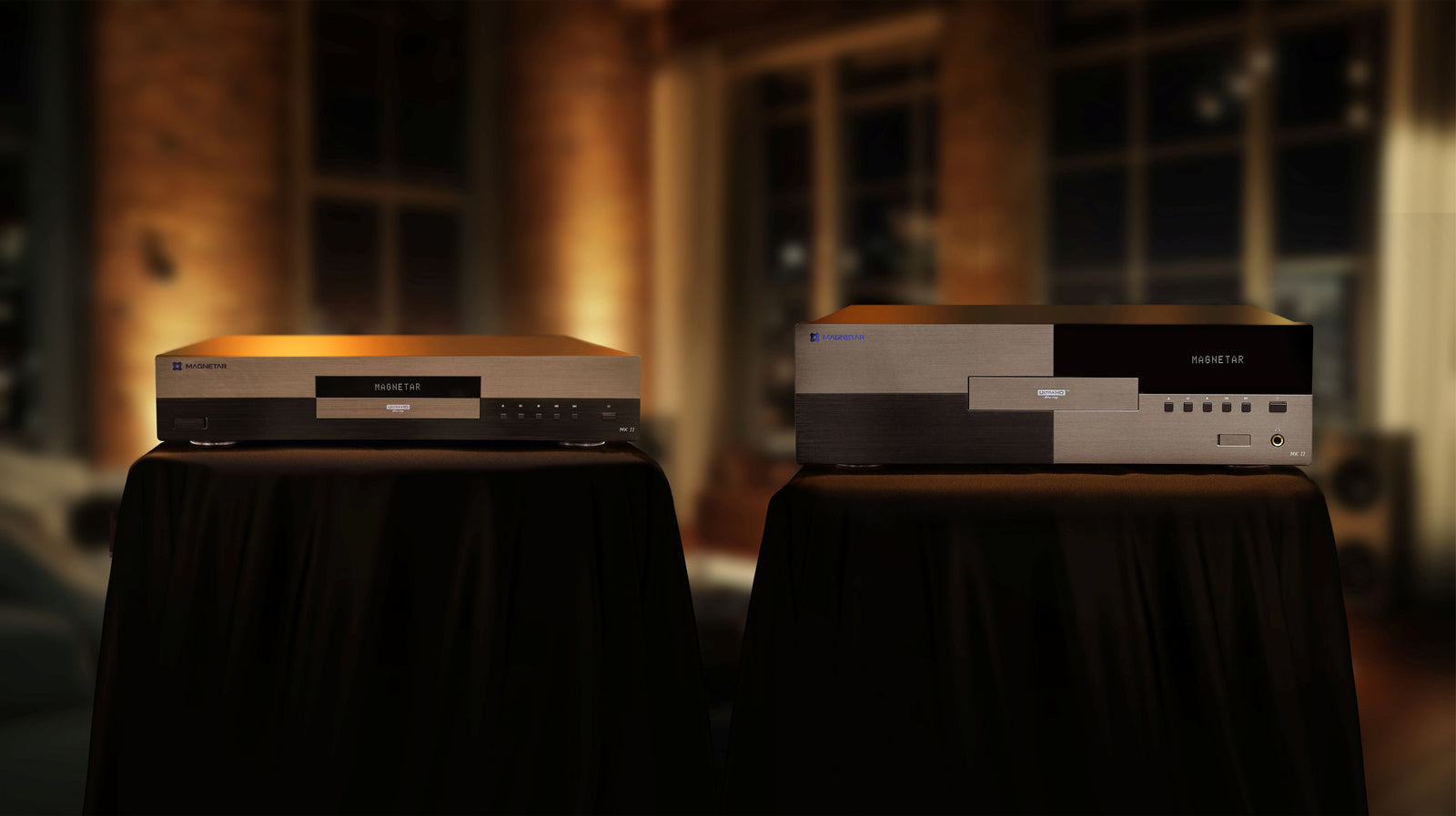
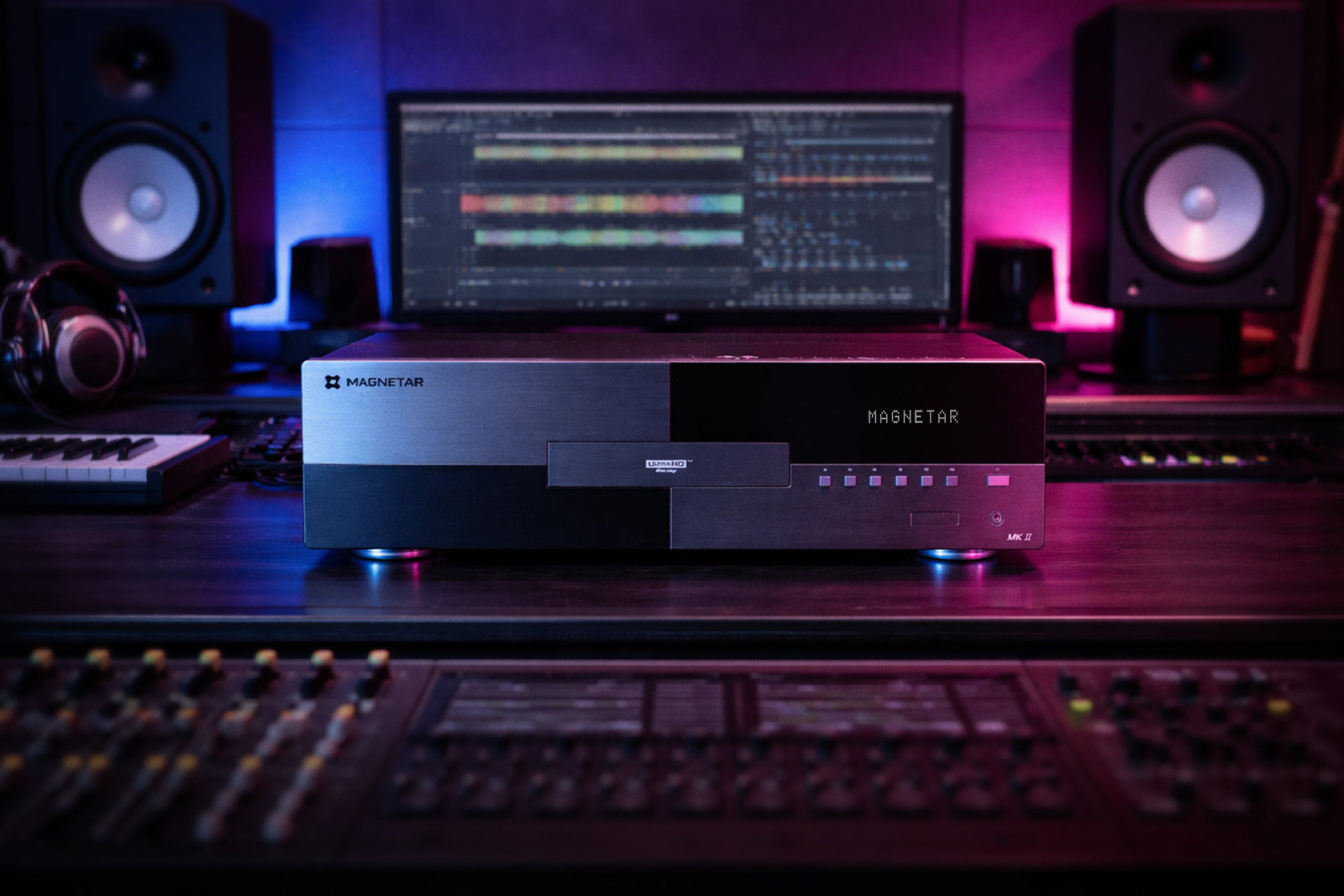
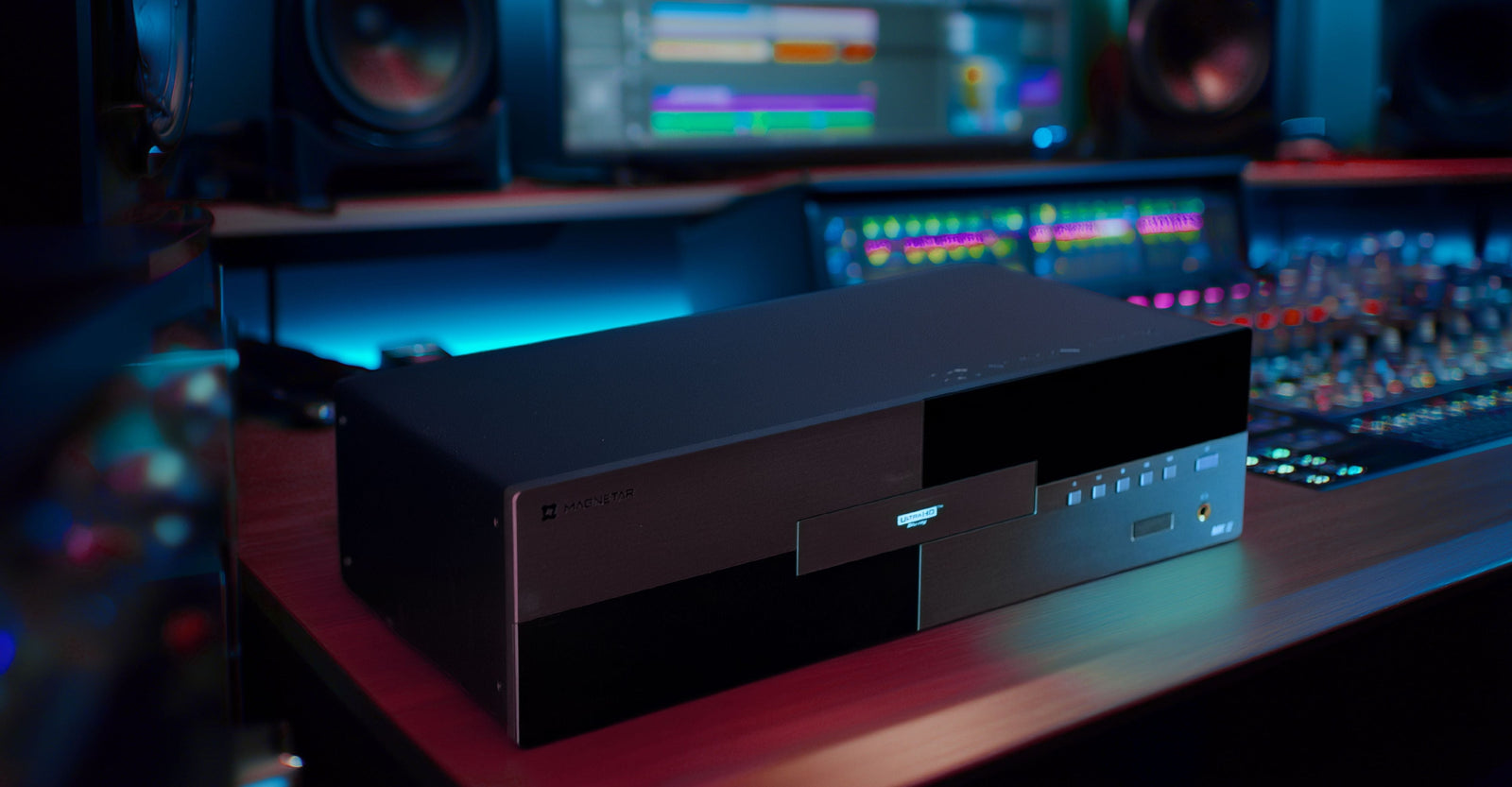
At Magnetar, we believe that enjoying a great collection shouldn’t require choosing between generations of entertainment technology. Our universal disc players, including the UDP800 MKII and UDP900 MKII, are designed to bring together support for a wide range of physical music and movie formats in a single high-performance component.
We know that the value of a great film or album doesn’t disappear simply because a newer way to experience it has arrived. Technology that refuses to die is technology that has something extraordinary to offer.