


For more than a decade, headlines have repeatedly predicted the end of physical media.
"DVD is dead. Blu-ray is dead. 4K Ultra HD Blu-ray is next."
Every time a major retailer reduces shelf space, a manufacturer exits a product category, or a studio shifts strategy, a new wave of articles emerges declaring the imminent demise of discs...and yet, here we are.
New 4K Ultra HD releases continue to arrive every month, boutique labels are producing collector editions packed with premium features, enthusiasts continue building home theaters around physical media, and dedicated collectors are purchasing movies and music on disc in record numbers within their niche communities.
So why does the “physical media is dying” narrative continue to dominate headlines?
The answer lies in a misunderstanding of what physical media has become. The market isn’t disappearing...it’s evolving.

The Mistake of Measuring Today’s Market Against Yesterday’s Market
Much of the doom-and-gloom surrounding physical media comes from comparisons to the DVD boom of the early 2000s. During that timeline, DVDs were everywhere.
Big-box retailers devoted entire departments to movies, new releases sold millions of copies, and physical media was the default way people consumed entertainment at home.
But expecting Blu-ray or 4K Ultra HD to replicate DVD-era sales is like expecting vinyl records to match CD sales from the 1990s.
Markets evolve, consumer behavior changes, and technology creates new options. The important question isn’t whether physical media still dominates the market; the important question is whether a sustainable audience remains.
The answer is clearly yes.
Today’s physical media market looks very different from the one that existed twenty years ago. It is smaller, more specialized, and increasingly driven by enthusiasts who actively value ownership, quality, and collectability.
That distinction is significant. A smaller market is not the same thing as a dead market.
Streaming Won the Convenience Battle
There’s no denying streaming changed everything...the ability to access thousands of titles instantly from a phone, television, tablet, or laptop transformed consumer expectations.
For casual viewing, streaming is incredibly convenient. Want to watch a movie right now? Just open an app and press play. For some consumers, that convenience is enough. (Similarly, "fast food" exists for a reason. Its level of quality will never come close to competing with a high-end dining experience, but it is undeniably convenient.)
Physical media was never likely to compete with that level of accessibility...and it doesn’t need to. The most successful physical media advocates aren’t trying to replace streaming, they’re using it differently.
Streaming has become the discovery platform, while physical media has become the ownership platform.
Consumers may browse through streaming services to find something new, but increasingly, the films and albums they truly care about are the ones they choose to own.
Ownership Matters More Than Many Realize
One of the biggest shifts occurring in entertainment is the growing awareness that digital purchases aren’t always ownership in the traditional sense.
Movies move between services, shows disappear, licensing agreements change, and entire libraries can shift overnight.
Consumers are increasingly discovering that access and ownership are not the same thing. This concern is frequently cited by collectors and enthusiasts who continue purchasing physical media despite the dominance of streaming platforms. A disc on your shelf doesn’t depend on a licensing agreement, it doesn’t disappear because a streaming contract expired, it doesn’t require an internet connection, and it doesn’t change because a service updated its catalog.
Ownership remains one of physical media’s most enduring advantages, and many consumers are finding that permanence still has value. Especially when the world around them is becoming increasingly more subscription driven.
Physical Media Has Become a Premium Experience
Another reason death-of-Blu-ray headlines often miss the mark is that they assume physical media must remain a mass-market commodity, but that’s not what’s happening.
Instead, physical media is moving upscale.
Today’s enthusiast market revolves around:
- Collector editions
- Steelbooks
- Deluxe packaging
- Remastered transfers
- Expanded bonus features
- Premium audio presentations
- Archival restorations
The audience purchasing these releases isn’t simply buying a movie; they’re buying an experience, preservation, presentation, and something tangible.
In some ways, physical media has followed a path similar to vinyl records. Vinyl no longer dominates music consumption, yet it remains culturally relevant, commercially viable, and highly desirable among enthusiasts.
Physical media is undergoing a similar transformation.
The Rise of Boutique Labels
One of the clearest signs that physical media remains healthy is the success of boutique labels. Companies such as Criterion, Arrow Video, Shout! Studios, Kino Lorber, and others continue releasing carefully curated editions aimed directly at collectors and enthusiasts. These labels have become an increasingly important part of the modern physical media ecosystem.
These releases often include:
- New restorations
- Director-approved transfers
- Extensive bonus content
- Scholarly commentary tracks
- Exclusive packaging
- Limited editions
In many cases, films that might never receive meaningful attention on streaming platforms are being preserved and celebrated through physical releases; which is certainly not the behavior of a dying industry. It's further evidence of a market adapting to a more specialized audience.
Real Quality Never Goes Out of Style
For home theater enthusiasts, the appeal of physical media goes beyond ownership; it also comes down to performance. Streaming technology has improved dramatically, but even the best streaming services rely on compression. They must balance picture quality, bandwidth limitations, and delivery efficiency...while physical media doesn’t face those same constraints.
4K Ultra HD Blu-ray continues to offer some of the highest-quality consumer video and audio available. For viewers investing in premium televisions, projectors, surround sound systems, and dedicated theater spaces, those differences can be significant.
The larger and more capable the system becomes, the easier it is to appreciate the advantages of a well-mastered physical disc, and that pursuit of maximum performance remains one of the strongest drivers of physical media enthusiasm.
Retail Is Changing, Not Disappearing
A common argument used to support the “physical media is dying” narrative is the reduction of retail shelf space, and there is some truth to that observation. Many large retailers have reduced or eliminated physical media sections, but retail trends don’t always reflect overall demand.
They often reflect changing purchasing habits: consumers increasingly buy physical media online, while collectors frequently order directly from studios, boutique labels, specialty retailers, and enthusiast-focused stores.
The purchasing journey has shifted, but the audience hasn’t vanished. In fact, niche markets often thrive precisely because they no longer depend on traditional retail models.
Online communities, direct-to-consumer sales, and specialty distributors have allowed enthusiast markets to remain vibrant even as mass retail changes.
A Passionate Community Still Exists
Perhaps the strongest argument against the “physical media is dead” narrative is the community itself.
Collectors continue sharing new acquisitions, home theater enthusiasts continue upgrading systems, online forums remain active, and dedicated YouTube channels continue covering new releases, restorations, and collector editions.
The conversation has not stopped. Not by a longshot. If anything, it has only become more focused.
The modern physical media enthusiast isn’t purchasing discs out of some habit formed in a bygone decade; they’re purchasing them intentionally, and that intentionality creates a stronger connection to the format.
People who choose physical media today understand exactly why they’re buying it, and that passion helps sustain the ecosystem.
The Future of Physical Media
Will physical media ever return to DVD-era dominance? Almost certainly not, but that’s the wrong benchmark.
The future of physical media does not depend on becoming the default entertainment format again. Instead, it depends on continuing to serve an audience that values ownership, quality, preservation, and collectability.
All evidence suggests that audience remains active.
The industry may become more specialized, releases may become more premium, the retail landscape may continue evolving, but evolution is not extinction. Physical media is no longer trying to be everything to everyone. Rather, it is becoming something more focused: a premium format for enthusiasts who care deeply about experiencing movies, music, and entertainment at their best.
Final Thoughts
Reports of physical media’s death make for attention-grabbing headlines, but reality is far more nuanced.
Yes, the market has changed, streaming dominates convenience, and retail shelves look different than they did twenty years ago; but none of those facts automatically signal the end of physical media.
What we're witnessing is the maturation of a market. A market driven by collectors, enthusiasts, and by people who value ownership, quality, and the experience of holding something tangible in their hands.
Physical media isn't in the fight for survival that many headlines would have you believe. It is, however, finding its place in a modern entertainment landscape...and for many enthusiasts, that future looks bright.
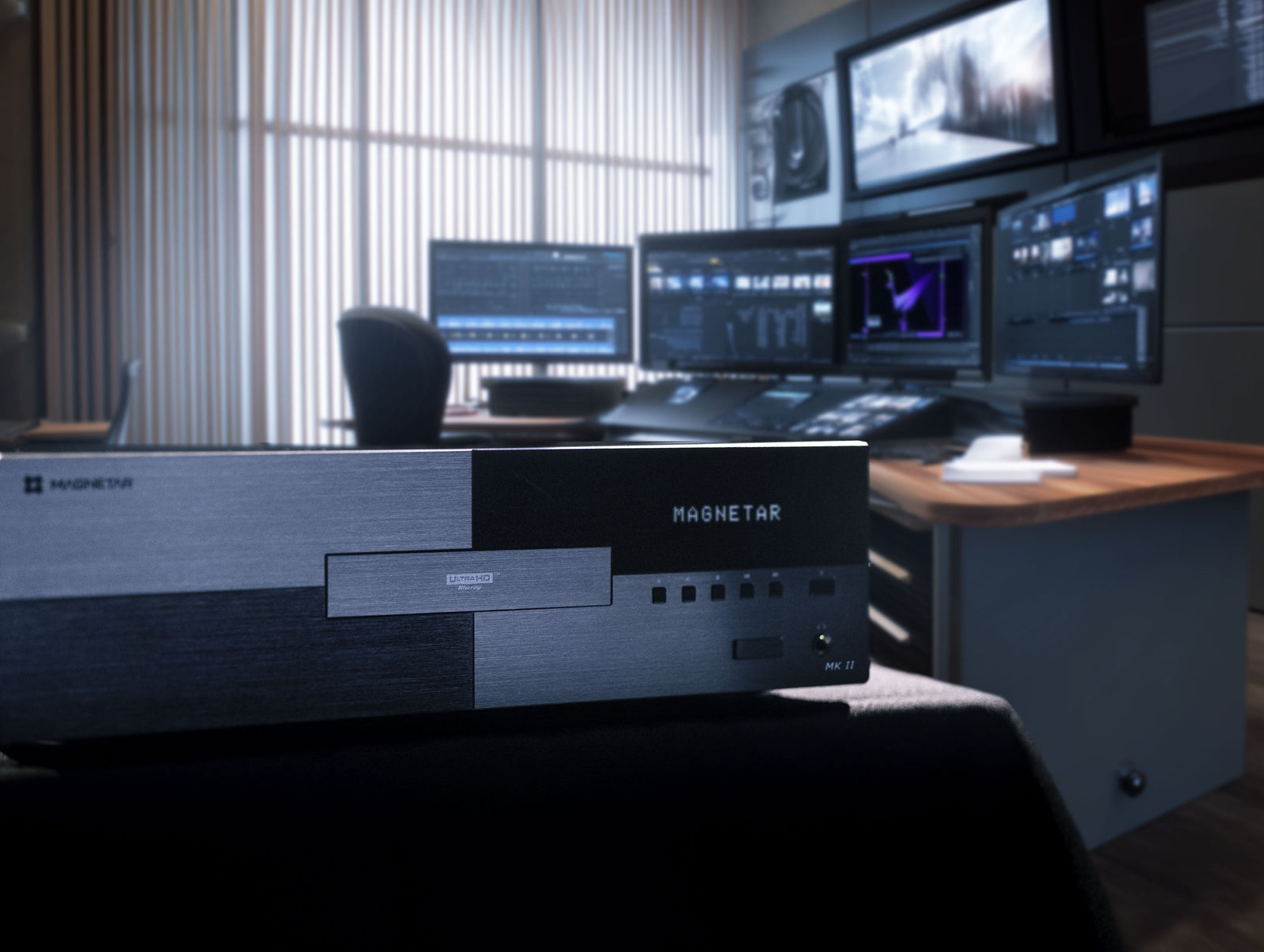
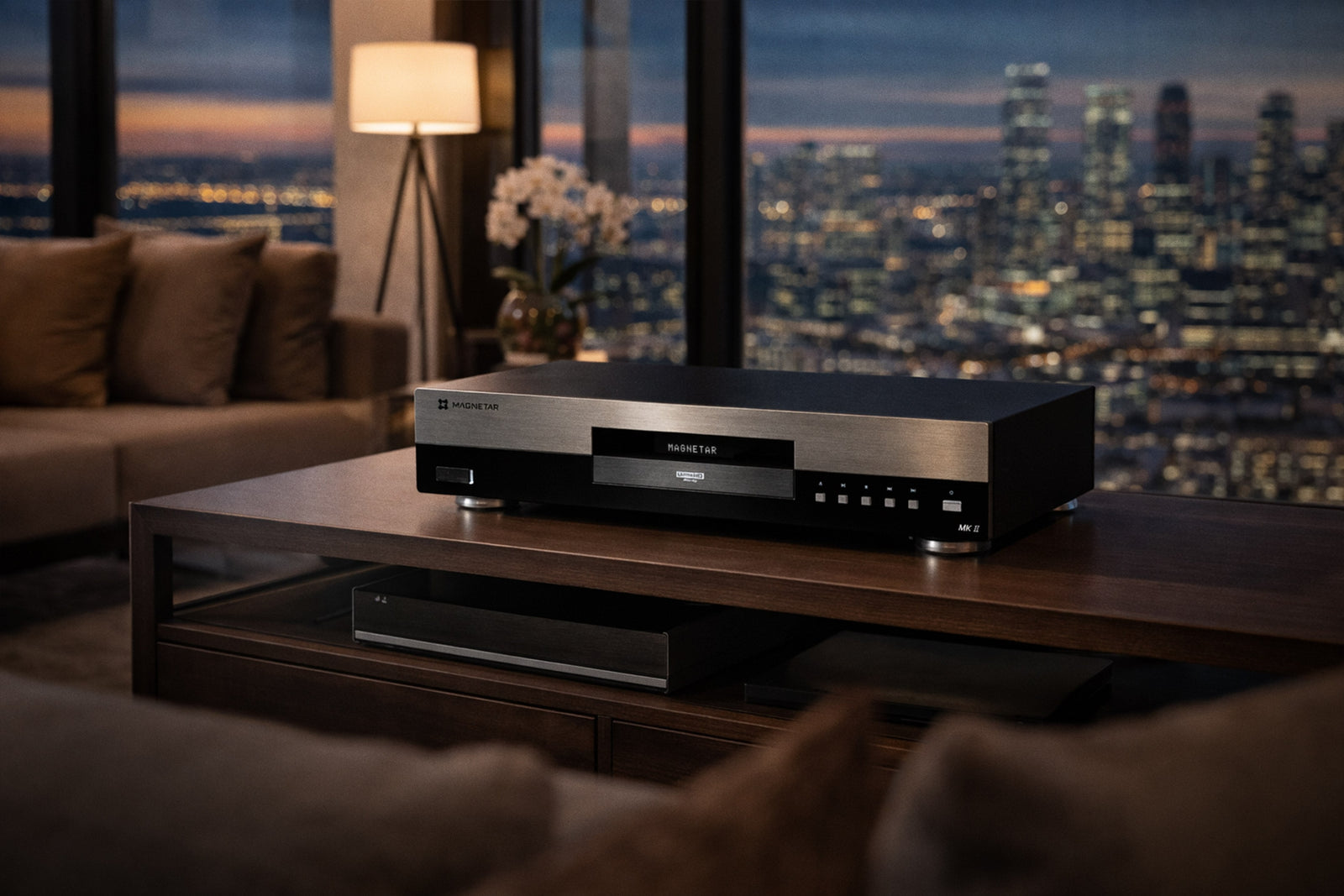
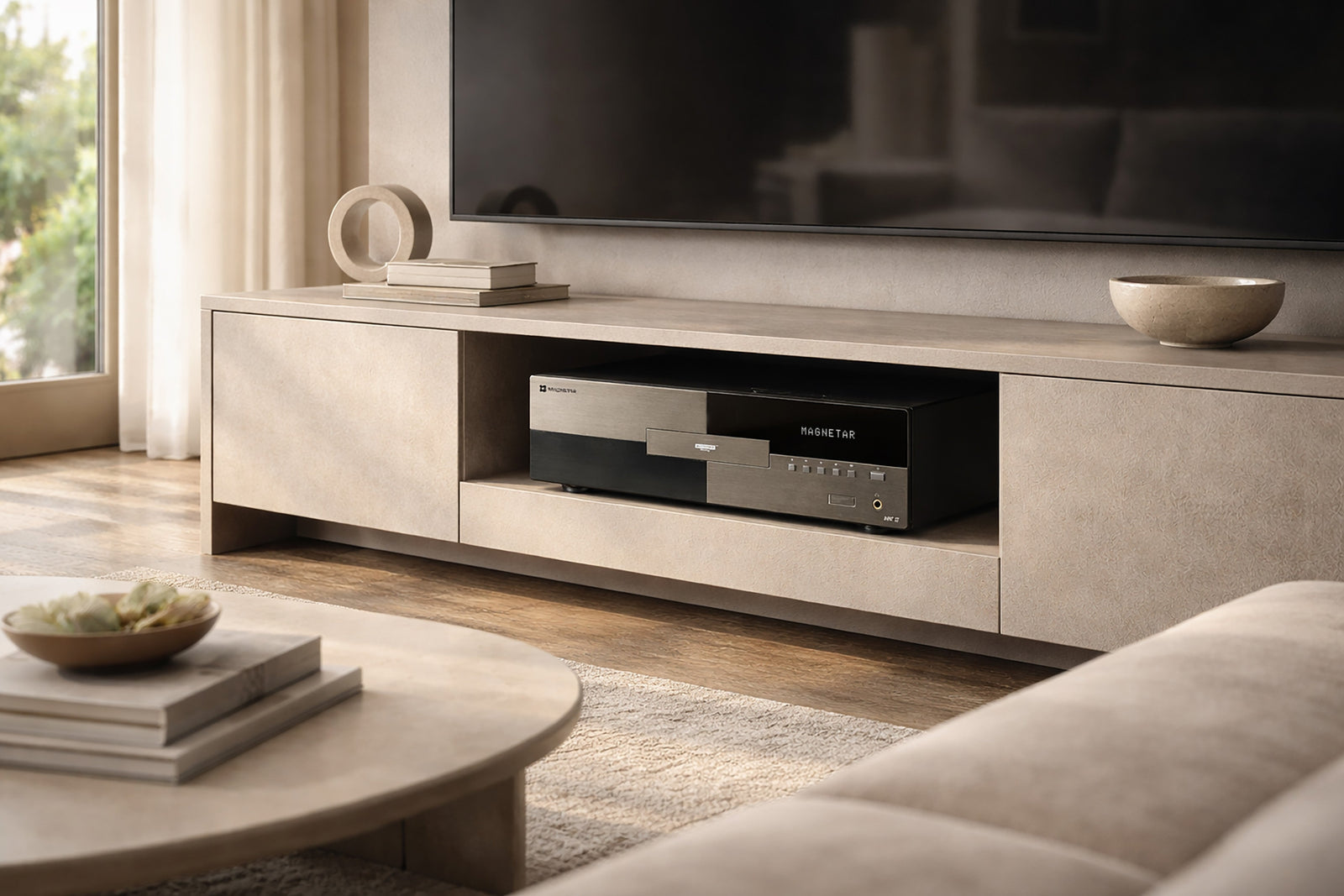
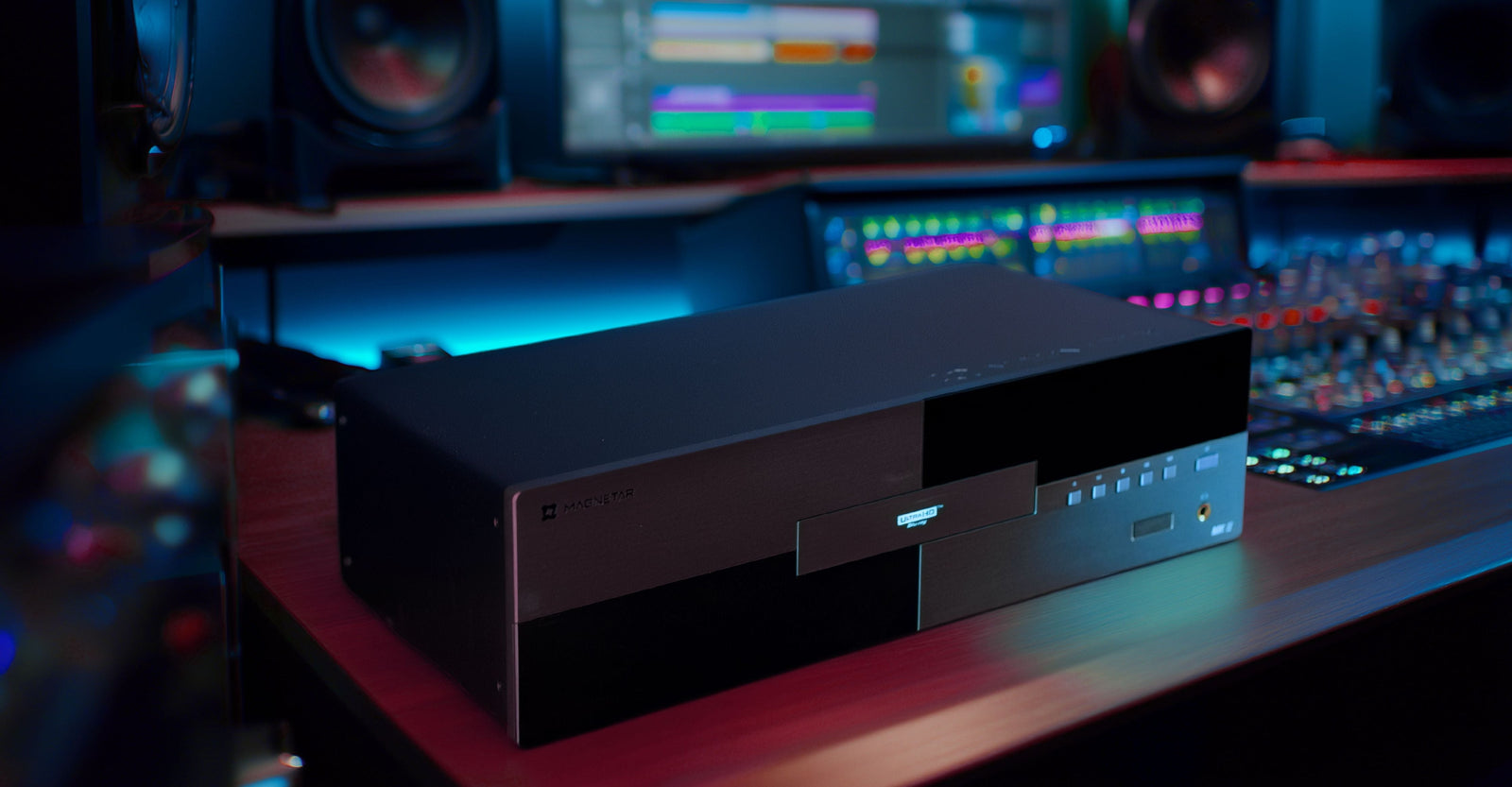
For those who demand the highest levels of audio and video performance from their physical media collections, a premium playback platform (like Magnetar's line of players) remains an essential part of the experience. As the enthusiast market continues to evolve, high-performance universal disc players ensure collectors can enjoy their favorite releases exactly as intended, today and for years to come.