



In the landscape of home entertainment, the pursuit of better picture and sound quality can sometimes feel endless. Displays become brighter, resolutions increase, audio systems gain additional channels, video processors become more sophisticated, manufacturers continue refining the technologies responsible for reproducing the movies and music we love, etc.
But these advancements raise an intriguing question: At what point does an improvement in picture or sound quality become too small for the human eye or ear to notice?
It’s a question that reaches beyond home theater technology and into the fascinating science of human perception. After all, a home theater system doesn’t exist simply to produce impressive technical measurements. Its ultimate purpose is to deliver an experience to a human audience, and human perception has limits.
Understanding those limits can help consumers make more informed equipment decisions, better appreciate the engineering behind premium components, and recognize why the relationship between technical performance and perceived quality isn’t always straightforward.

The Difference Between Measurable Improvement and Perceptible Improvement
One of the most important distinctions in audio and video technology is the difference between something that can be measured and something that can actually be perceived. Modern testing equipment is extraordinarily sensitive. Engineers can measure minute variations in frequency response, signal distortion, color accuracy, noise levels, and countless other performance characteristics.
However, the fact that two components produce measurably different results doesn’t necessarily mean those differences will be obvious during normal use.
Consider two televisions displaying the same movie, for example. One might reproduce a particular color with slightly greater accuracy than the other. Specialized instruments could detect the difference immediately, but the average viewer might struggle to identify it without a controlled, side-by-side comparison. Similarly, two audio components may produce slightly different distortion measurements while remaining perceptually indistinguishable under typical listening conditions.
This doesn’t mean those measurements are meaningless. Objective testing is essential for evaluating engineering performance. Rather, it illustrates an important principle: Technical differences and experiential differences aren’t always proportional. A small improvement in one area might dramatically enhance the viewing experience, while a much larger numerical improvement elsewhere could be practically invisible. The challenge is understanding which improvements matter, under what conditions, and to whom.
Understanding the Limits of Human Vision
Human eyesight is remarkably sophisticated, but it isn’t capable of distinguishing infinitely fine detail. Our ability to perceive resolution depends on several factors, including viewing distance, screen size, visual acuity, contrast, and the characteristics of the displayed image. This is particularly relevant when discussing the differences between 1080p, 4K, and 8K resolution.
Why Viewing Distance Means More Than Many People Realize
Imagine watching a movie on a relatively small television from across a large living room. At that distance, the individual pixels making up the image may already be too small for your eyes to distinguish. Increasing the display’s resolution could provide additional image information, but much of that information might fall below your visual system’s ability to resolve it.
Now, imagine moving significantly closer to a much larger screen. Suddenly, those additional pixels become more meaningful. Fine textures, intricate patterns, and subtle image details may become easier to appreciate because they occupy a greater portion of your field of vision. This is why screen size and seating distance are so important when evaluating resolution.
A 4K television doesn’t automatically deliver the same perceptible improvement in every room. Its advantages depend partly on the relationship between the display and the viewer. Individual eyesight also factors in. Someone with excellent corrected vision may notice details that another viewer cannot. The practical lesson is that resolution should never be evaluated in isolation.
Why More Pixels Aren’t Always the Biggest Improvement
Resolution is only one component of picture quality. Contrast, black levels, color reproduction, brightness, motion handling, and image processing all influence how a picture looks. In fact, improvements in these areas can sometimes be more noticeable than increases in resolution.
Consider a nighttime scene featuring a dimly illuminated figure against a dark background. A display with excellent contrast and black-level performance may preserve subtle shadow detail while maintaining convincing darkness. A display with weaker contrast might reproduce the same scene with elevated blacks or obscured details.
Even if both televisions have identical resolutions, the viewing experiences can be noticeably different. This is one reason technologies such as High Dynamic Range, or HDR, have become so important to modern home entertainment. HDR can expand the range between dark and bright image elements while supporting more expressive color reproduction, provided the content and display can take advantage of those capabilities. For many viewers, improvements in contrast and dynamic range may be more immediately apparent than simply adding more pixels.
The Science of Just Noticeable Differences
Psychophysics, the scientific study of the relationship between physical stimuli and human perception, offers another useful concept: the just noticeable difference, or JND.
A just noticeable difference represents the smallest change in a stimulus that a person can reliably detect under particular conditions. For example, imagine gradually increasing the brightness of a display. At first, the adjustment might be too small to notice. Eventually, the change becomes perceptible.
That point represents a detection threshold under the specific viewing conditions. However, these thresholds aren’t fixed numbers that apply universally. The amount of change required to notice a difference depends on the original stimulus, the environment, the content, and the individual observer. A subtle brightness adjustment might be obvious in a dark room but difficult to detect in bright daylight.
Similarly, a minor change in audio frequency response might be apparent with certain recordings and nearly impossible to distinguish with others. This is important because home theater improvements don’t occur in a vacuum. They interact with the surrounding environment and the capabilities of the human sensory system. A specification that appears significant on paper may have little practical impact in one setup while making a meaningful difference in another.
When Does Better Audio Stop Sounding Better?
The same principles apply to sound reproduction. Human hearing has an impressive ability to distinguish pitch, timing, loudness, and spatial information. Yet hearing sensitivity varies considerably between individuals and across different frequencies. Age, listening experience, hearing health, background noise, and playback volume can all influence what someone hears. This makes the question of diminishing returns in audio particularly interesting.
Frequency Response and the Limits of Hearing
Human hearing is commonly described as extending from approximately 20 Hz to 20 kHz under favorable conditions, although actual hearing ranges vary substantially. Sensitivity to higher frequencies often declines with age, and not every listener can hear sounds approaching the upper end of that range. Consequently, an audio component’s ability to reproduce extremely high frequencies doesn’t automatically mean those frequencies will be audible.
But this doesn’t make high-quality audio engineering irrelevant. Frequency response is only one aspect of performance. Distortion, noise, dynamic range, channel separation, output consistency, and compatibility with the rest of the system can also influence the listening experience. Furthermore, the audible result depends on the complete playback chain, including speakers, amplifiers, room acoustics, and the recording itself. A technically superior source component cannot compensate for every limitation elsewhere in the system.
Room Acoustics and Equipment Upgrades
Imagine installing an expensive audio system in a room filled with hard, reflective surfaces. Sound waves bounce between walls, floors, and ceilings, creating reflections that can affect clarity, imaging, and tonal balance. Low-frequency room resonances may exaggerate certain bass notes while diminishing others.
Now, imagine making thoughtful improvements to speaker placement, seating position, and acoustic treatment.
The resulting improvement could be more noticeable than replacing an already competent audio component with a significantly more expensive alternative. This illustrates a central principle of home theater design: The quality of the final experience depends on the system as a whole. No component operates independently of its environment, and the most meaningful upgrade isn’t necessarily the most expensive one.
The Role of Source Quality: Why Better Equipment Needs Better Material
Even the most sophisticated playback system is limited by the quality of the material it receives. This is especially relevant when comparing physical media with streaming. Streaming services rely on compression and adaptive delivery systems to distribute enormous amounts of video and audio data efficiently. These technologies are remarkably effective, and high-quality streams can look and sound excellent.
However, the available bitrate, compression methods, and audio formats can differ from those used on physical discs. A 4K Ultra HD Blu-ray, for example, can provide a high-bitrate video presentation along with lossless audio options, depending on the release. These characteristics give the format the potential to preserve more information from the encoded master. Whether the difference is noticeable depends on the content, playback equipment, viewing environment, and individual listener or viewer.
Compression Artifacts and Complex Scenes
Video compression becomes especially interesting during visually demanding sequences. Fast motion, dense foliage, smoke, rain, fine textures, and subtle gradients can challenge compression systems. Depending on the encoding, viewers may encounter artifacts such as banding, blocking, smearing, or a loss of fine detail. These issues can become more visible on larger screens or under demanding viewing conditions. A well-authored 4K Ultra HD Blu-ray may reproduce challenging sequences with fewer visible compression artifacts than a more heavily compressed streaming version.
However, bitrate alone doesn’t guarantee better results. Encoding efficiency, source mastering, and the quality of the transfer is also important. A carefully encoded stream can outperform a poorly prepared disc release. The real distinction is that the source establishes the information available to the playback system. Better equipment can reproduce and process that information, but it cannot perfectly recover details that were never present in the delivered signal.
Why Diminishing Returns Are Real, but Not Universal
The concept of diminishing returns appears throughout technology. Early improvements often produce substantial benefits. Moving from a severely limited display to a competent modern television may transform the viewing experience. Replacing inadequate speakers with a well-designed audio system can produce an equally dramatic improvement. But as equipment approaches higher levels of performance, further advancements may become increasingly subtle.
Consider the difference between correcting a major color inaccuracy and refining an already accurate display by a tiny amount. The first improvement might be obvious to almost anyone. The second could require specialized testing conditions to detect.
The same applies to audio. Eliminating audible hum, clipping, or severe distortion can produce an immediate improvement. Reducing distortion that is already well below audibility under normal listening conditions may provide little perceptible benefit.
However, diminishing returns aren’t identical across every component or every system. An improvement that is imperceptible in one environment may become obvious in another. A larger projection screen, a quieter listening room, more revealing speakers, or a different type of content can change the equation. Rather than imagining a single universal threshold beyond which improvements no longer matter, it is more useful to think of perceptual thresholds as moving targets.
The Psychology of Expectation: Can We Hear or See What We Expect?
Human perception isn’t purely mechanical. Our brains interpret sensory information using context, memory, attention, and expectation, and this creates an interesting challenge when evaluating premium audio and video equipment. If someone knows that one component costs significantly more than another, that knowledge may influence their expectations.
Likewise, attractive construction, impressive specifications, or a prestigious brand can shape perceptions before playback begins. This doesn’t mean people are imagining every difference they experience.
It means subjective evaluation can be influenced by factors beyond the actual audio or video signal.
Why Controlled Comparisons Are Important
When evaluating audio components, level-matched comparisons are particularly important. Even small differences in playback volume can affect preference, potentially making the louder presentation seem more detailed or engaging.
Blind listening tests can help reduce expectation bias by preventing listeners from knowing which component is active. Video comparisons also benefit from careful controls. Displays should be calibrated appropriately, evaluated under comparable lighting conditions, and supplied with equivalent source material whenever possible.
These methods don’t eliminate the importance of personal preference. Instead, they help distinguish genuine performance differences from unrelated variables. For consumers, this suggests a practical approach: evaluate equipment using familiar content, realistic conditions, and careful comparisons whenever possible. The most useful upgrades deliver a meaningful improvement in the environment where they will actually be used.
Why Premium Engineering Is Important
If human perception has limits, does that mean premium equipment is unnecessary? Not at all. It means the value of premium engineering must be understood in context. High-end components may offer advantages that extend beyond a single measurable picture or sound quality difference. These can include build quality, mechanical design, connectivity, supported formats, playback compatibility, operational stability, and integration with more sophisticated home theater systems.
For example, a universal disc player may be valuable not simply because of its video output, but because it supports multiple physical media formats and provides audio connection options suited to a dedicated listening system. Similarly, premium construction and thoughtful engineering can serve practical purposes beyond improving a benchmark measurement.
At the same time, higher prices and more elaborate designs shouldn’t be treated as automatic proof of superior audible or visible performance. The benefits must be evaluated in relation to the consumer’s needs.
For some enthusiasts, the ability to accommodate a complex audio system or maintain a versatile physical media collection may be just as important as the pursuit of incremental improvements in signal reproduction. The definition of quality becomes broader than picture and sound alone.
Finding the Right Balance in Your Own Home Theater
Understanding perceptual limits can actually make home theater shopping more rewarding. Instead of pursuing specifications indefinitely, consumers can focus on identifying the improvements most likely to matter in their own environments. Before upgrading, consider several practical questions:
*What limitation am I trying to solve?
*Is the image too dim?
*Are shadow details difficult to distinguish?
*Is dialogue unclear?
*Does the system struggle with certain formats or connections? (Identifying a specific problem makes it easier to evaluate potential solutions.)
*Does my room allow me to appreciate the improvement? (Screen size, viewing distance, ambient light, room acoustics, and speaker placement can all influence the benefits of new equipment.)
*Is the source material good enough to reveal the difference? (High-quality recordings and carefully mastered physical releases provide a useful foundation for evaluating performance.)
*Am I comparing meaningful features or simply larger numbers? (A higher specification doesn’t necessarily translate into a better experience.)
*Will the improvement make a difference during normal use? (An advantage that is detectable only during an unusually demanding test may still be interesting, but it shouldn’t automatically carry the same weight as a benefit experienced every time the system is used.)
These questions help shift the focus from theoretical perfection toward practical satisfaction.
The Invisible Threshold Is Different for Everyone
Perhaps the most important conclusion is that there is no single point at which better picture and sound quality universally stop mattering. Human perception varies, rooms vary, equipment varies, and viewers bring different expectations, sensitivities, and priorities to the experience. One person may immediately notice subtle differences in motion handling or color accuracy, while another may care far more about dialogue intelligibility or bass performance.
A dedicated enthusiast watching a large projection screen in a carefully controlled environment may encounter limitations that would never become apparent on a smaller television in a bright living room. Neither experience is inherently wrong. The purpose of home theater technology is to create a more satisfying connection with the entertainment we enjoy, and understanding what we can’t perceive is just as useful as understanding what we can.
Final Thoughts: Better Technology, More Meaningful Experiences
The pursuit of excellent picture and sound quality has driven extraordinary advancements in home entertainment, but the relationship between technological progress and human enjoyment is more complicated than a simple collection of specifications.
Some improvements are transformative while others are subtle, and some may fall beyond the limits of perception under normal conditions. Recognizing those distinctions doesn’t diminish the value of premium engineering at all...it helps us appreciate where thoughtful design, high-quality source material, and system integration can make the greatest difference.
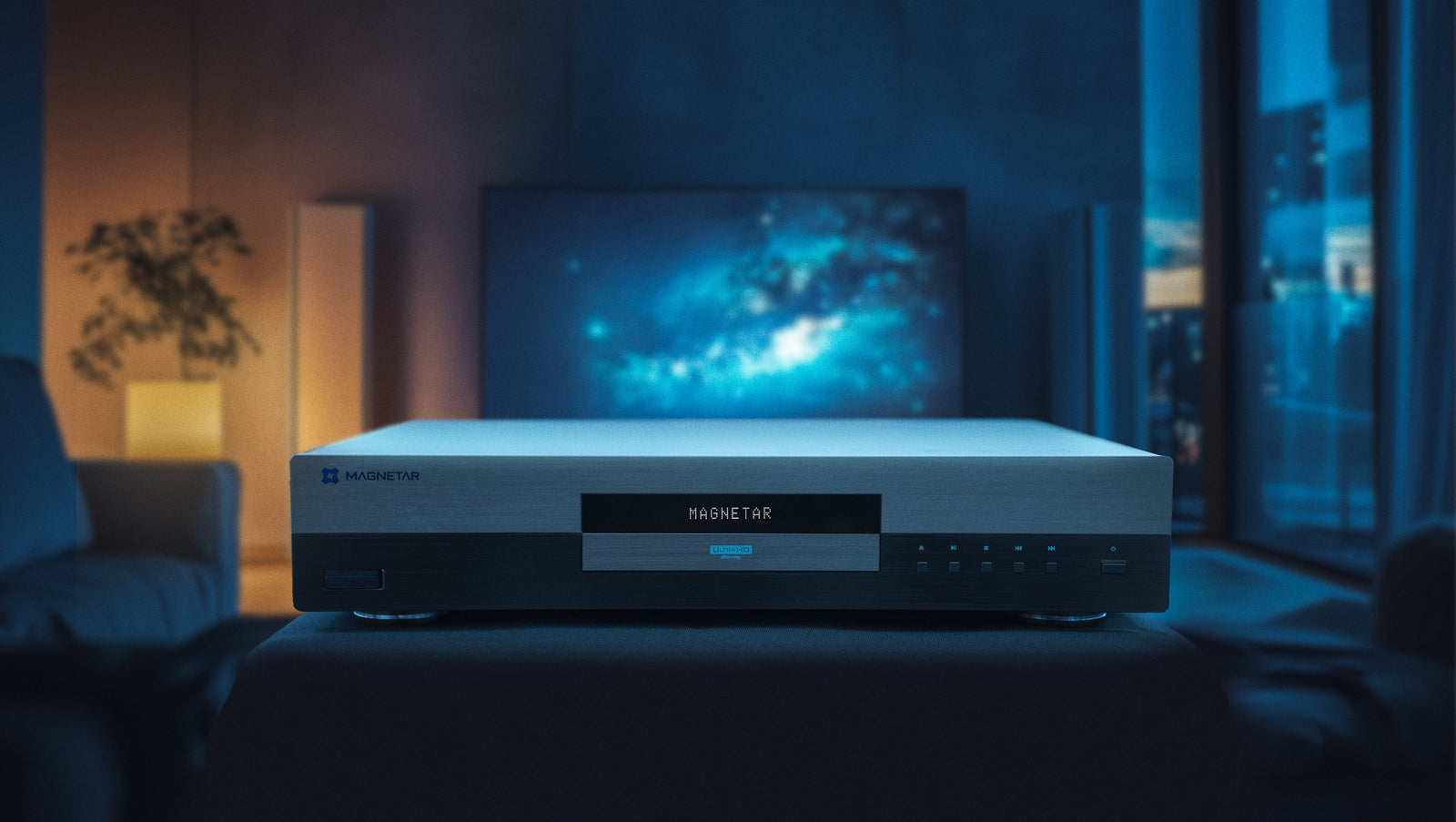
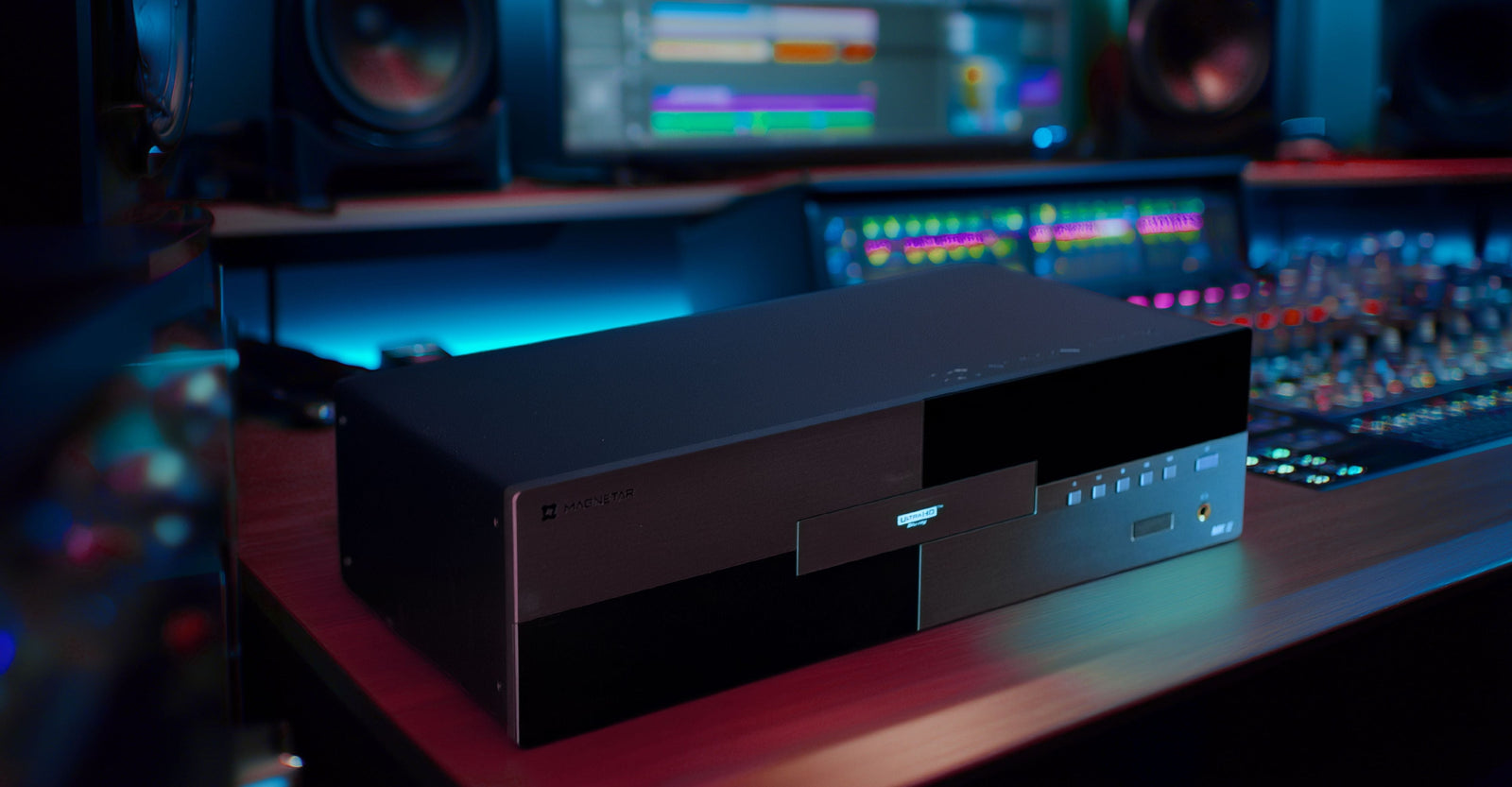
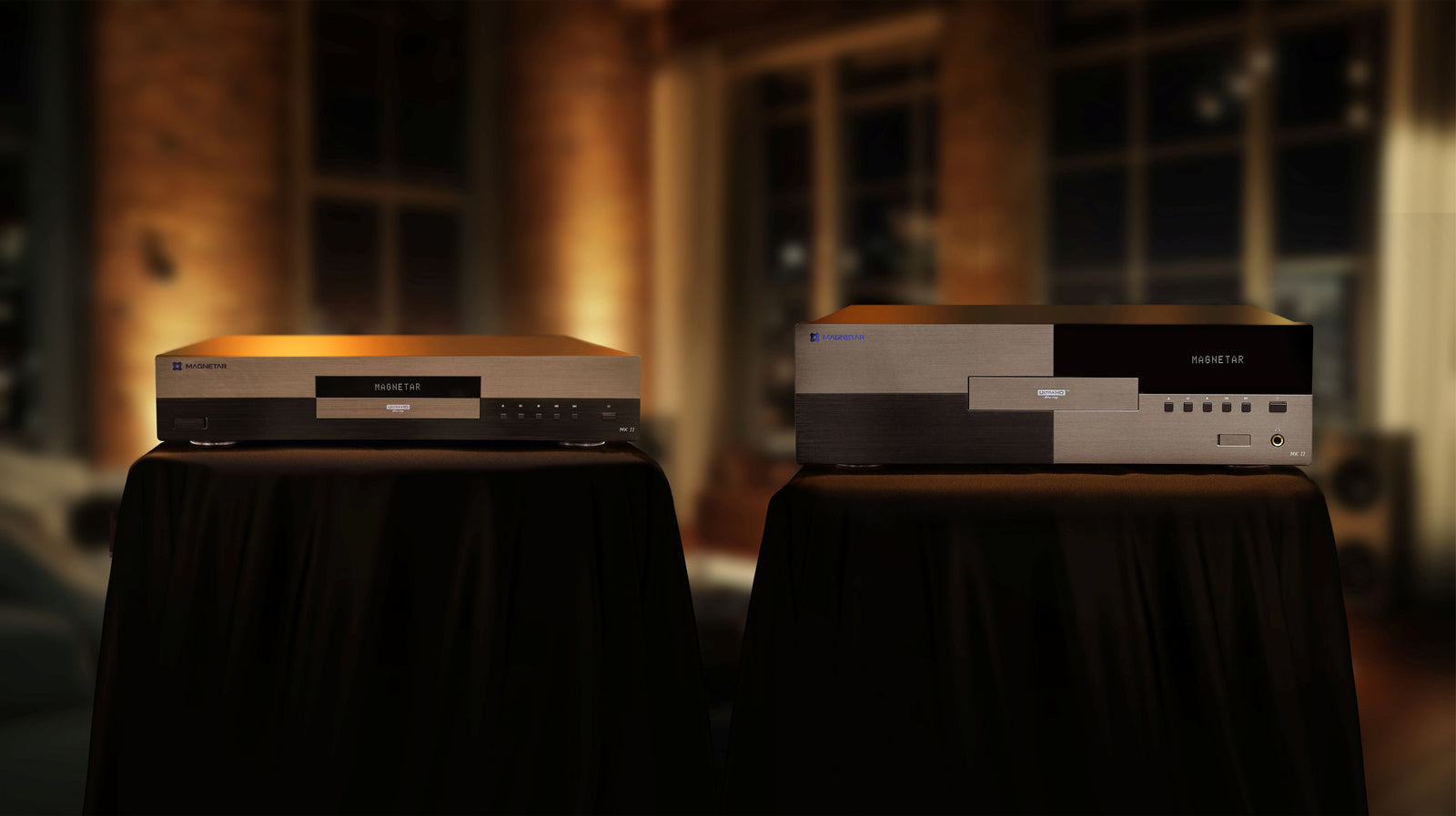
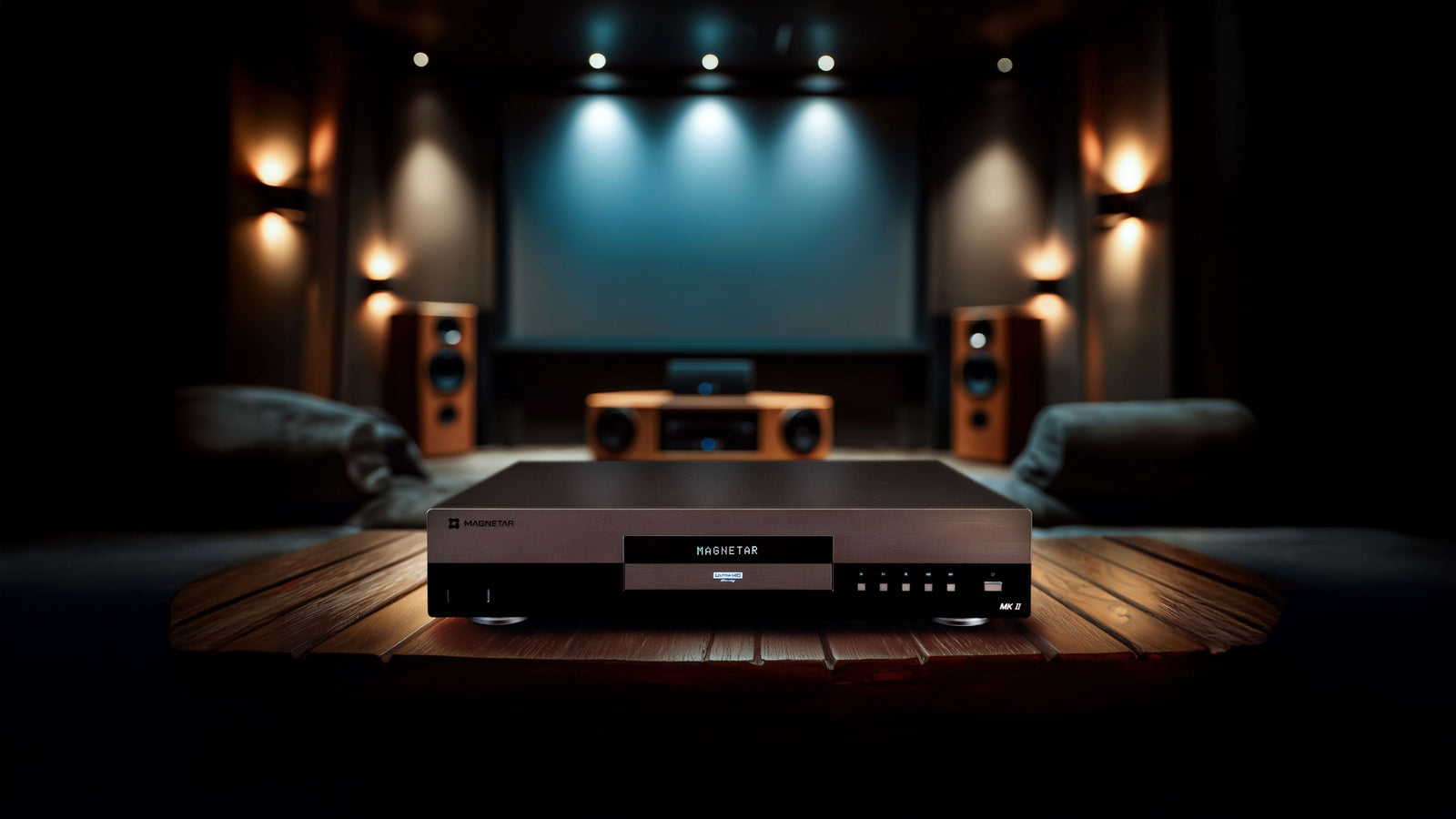
At Magnetar Audio, we believe the best home entertainment experiences begin with a commitment to quality, versatility, and respect for the source material. Our universal disc players are designed for enthusiasts who value physical media and want a capable, carefully engineered foundation for their home theater and audio systems...because ultimately, the goal is to enjoy the movies and music we love in the most rewarding way possible.