



Introduction: A Question the Industry Didn’t Expect
Not long ago, the upgrade path for home entertainment was simple.
DVD gave way to Blu-ray. Blu-ray gave way to 4K Ultra HD. Each step forward brought a clear and undeniable improvement in picture quality, audio fidelity, and overall experience.
But today, something interesting has happened.
Technology has matured...and in some ways, it has blurred the lines between formats.
Modern 4K televisions are no longer just displays. They are powerful image-processing machines, equipped with advanced upscaling algorithms that can transform a standard Blu-ray into something that looks remarkably close to native 4K.
Which raises a question that would have seemed almost absurd a decade ago:
Is buying 4K UHD always worth it anymore?
The answer is no longer automatic; it’s nuanced, dependent on multiple factors, and understanding those factors is the key to building a smarter, more intentional physical media collection.

Understanding Upscaling: Why It’s Better Than Ever
Upscaling is the process of converting lower-resolution content (like 1080p Blu-ray) to match the native resolution of a 4K display.
Historically, this process was crude; often resulting in soft images, visible artifacts, or unnatural sharpening.
Today, it’s a completely different story.
Modern TVs use:
- AI-assisted processing
- Object-based detail reconstruction
- Dynamic sharpening and texture mapping
- Advanced noise reduction
These systems analyze the image in real time, identifying edges, textures, and patterns to intelligently enhance perceived detail.
The result?
A well-mastered Blu-ray can look:
- Impressively sharp
- Smooth and film-like
- Rich in detail and depth
In many real-world viewing scenarios, especially at normal seating distances, the difference between upscaled Blu-ray and native 4K becomes far less obvious than many expect.
Blu-ray Isn’t “Old”. It’s Mature.
There’s a misconception that Blu-ray is somehow outdated.
In reality, Blu-ray is a highly refined, mature format that still delivers exceptional performance.
Why Blu-ray still holds up:
- Strong compression efficiency (AVC codec)
- Stable, consistent bitrates
- Excellent mastering pipelines developed over decades
- Wide compatibility across displays and players
In ideal conditions, Blu-ray can produce:
- Clean, detailed images
- Natural film grain reproduction
- Reliable playback with minimal artifacts
For many titles, especially those finished at 2K, Blu-ray already represents a near-optimal presentation of the source material.
Where 4K UHD Truly Makes a Difference
Despite how strong Blu-ray remains, 4K UHD does offer meaningful advantages, when the content and mastering support it.
1. High Dynamic Range (HDR)
HDR is arguably the most impactful upgrade over Blu-ray.
It enables:
- Brighter highlights (specular reflections, sunlight, fire)
- Deeper blacks
- Greater contrast range
This creates a more lifelike and immersive image.
2. Wider Color Gamut
4K UHD supports a broader color space, allowing for:
- More vibrant colors
- Subtle tonal gradations
- Increased realism
3. Higher Bitrates
UHD discs can deliver significantly higher data rates than Blu-ray.
This means:
- Less compression
- Fewer artifacts
- Greater image stability
4. Native 4K Resolution (When Available)
When sourced from true 4K scans (particularly film negatives) UHD can reveal:
- Fine textures
- Environmental detail
- Increased depth and dimensionality
The Reality Check: Not All 4K Discs Are Equal
This is one of the most important (and often overlooked) truths.
Not every 4K UHD disc is a major upgrade over Blu-ray.
Why this happens:
- Many films are finished using 2K digital intermediates
- Some UHD releases are simply upscaled masters
- HDR grading may be minimal or conservative
The result?
Some 4K discs offer: Dramatic improvements.
Others offer: Subtle or barely noticeable differences.
For collectors, this means format alone is not a guarantee of quality.
The specific transfer matters more than the label on the case.
The Role of Bitrate: Discs vs Streaming
It’s also important to separate physical media from streaming.
Even the best streaming platforms:
- Use significantly lower bitrates
- Apply aggressive compression
- Deliver reduced audio quality
A Blu-ray, even upscaled, often surpasses streaming 4K in:
- Consistency
- Detail retention
- Audio fidelity
This is why physical media continues to hold a strong advantage among enthusiasts.
Cost vs Value: Making Smarter Buying Decisions
4K UHD discs typically come at a premium price.
So the real question becomes:
Is the upgrade worth it for every title?
When 4K UHD is worth buying:
- The transfer is newly remastered in true 4K
- HDR adds significant visual impact
- The film features strong visual design (sci-fi, fantasy, dark cinematography)
- It’s a personal favorite
When Blu-ray may be the better choice:
- The UHD upgrade is minimal
- The Blu-ray is already high quality
- You’re building a large collection efficiently
For many collectors, the best approach is a hybrid strategy.
Why Your Playback Equipment Matters More Now
As the gap between formats narrows in certain scenarios, the importance of playback quality increases.
Your player is responsible for:
- Decoding the signal
- Managing upscaling (if applicable)
- Delivering stable, accurate output
A high-quality player can:
- Produce cleaner, more natural upscaling
- Reduce noise and artifacts
- Improve overall image stability
This becomes especially important when:
- Watching Blu-ray on a 4K display
- Comparing subtle differences between formats
A New Reality for Physical Media Collectors
We’re no longer operating under the assumption that the newest format automatically replaces the previous one.
Instead, we’re in a more sophisticated landscape where:
- Blu-ray remains highly capable
- 4K UHD offers meaningful but situational advantages
- Upscaling bridges the gap more effectively than ever
This shifts the mindset from “always upgrade” to “choose wisely”.
Conclusion: It’s Not About Format, It’s About Experience
So, is 4K UHD worth it?
Absolutely, when it delivers meaningful improvements.
But Blu-ray is far from obsolete. In fact, it remains one of the most reliable and visually satisfying formats available, especially when paired with modern displays and high-quality playback equipment.
The real advantage today isn’t choosing one format over another.
It’s understanding when each format shines, and building your collection accordingly.
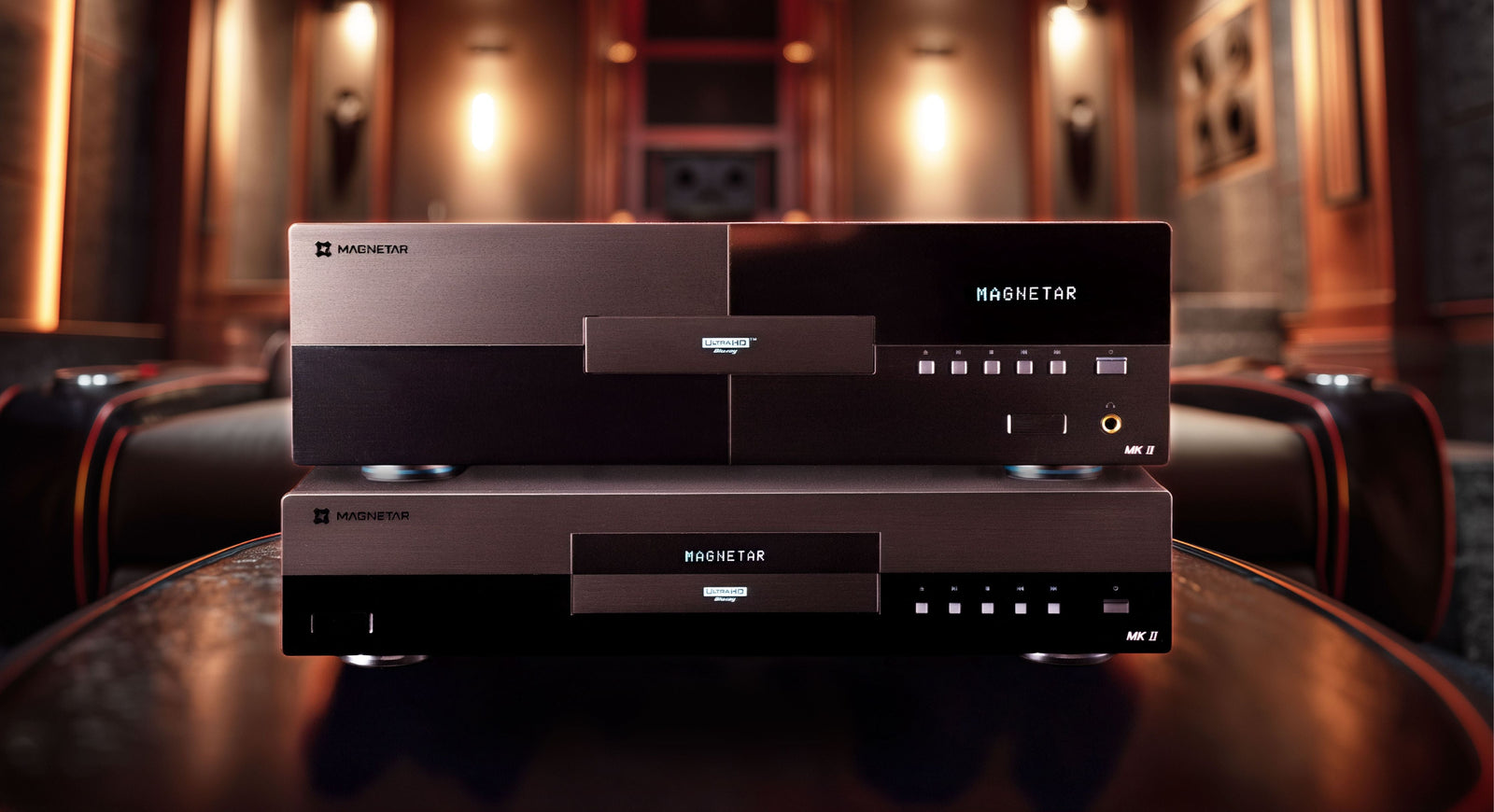
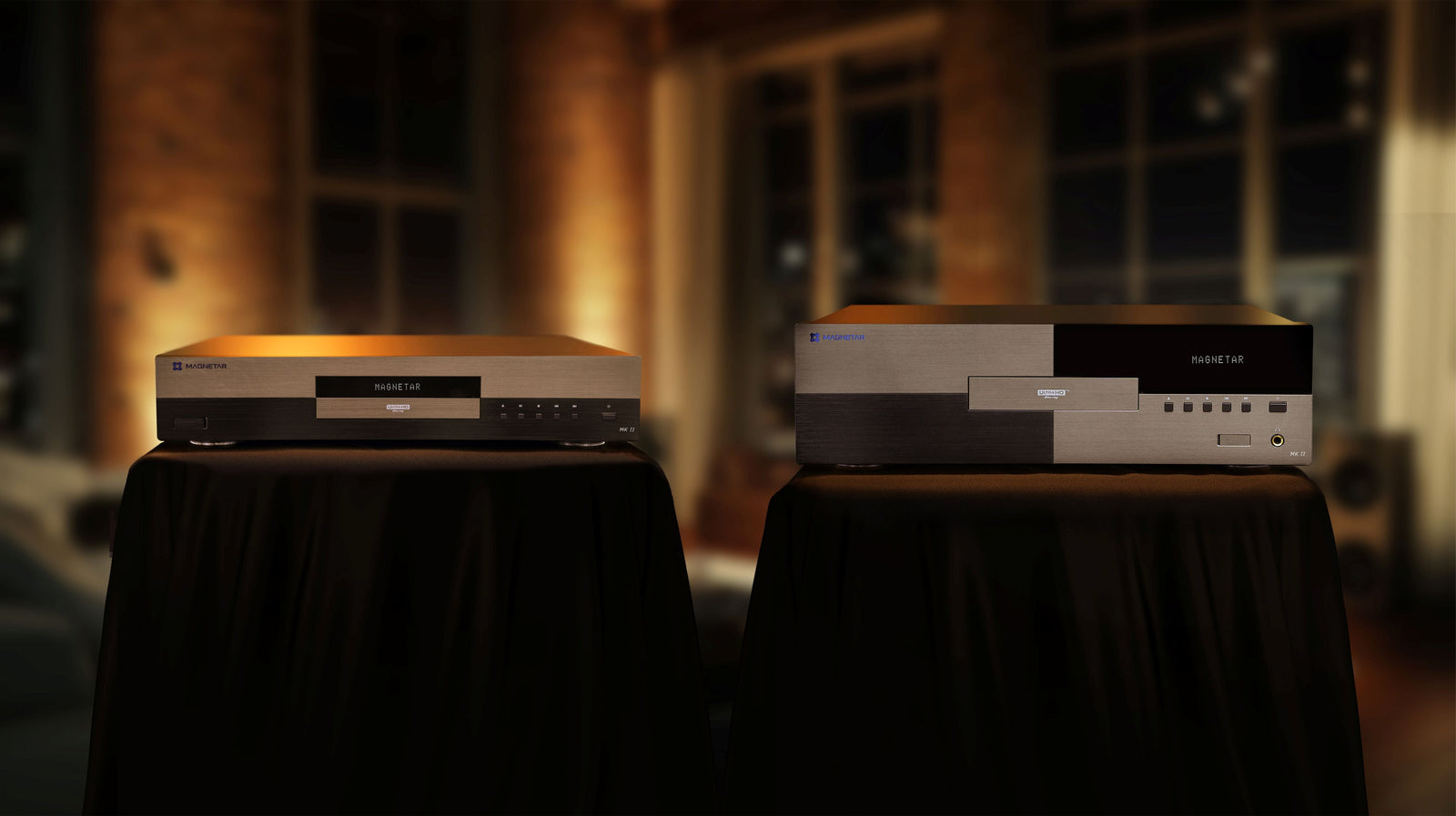
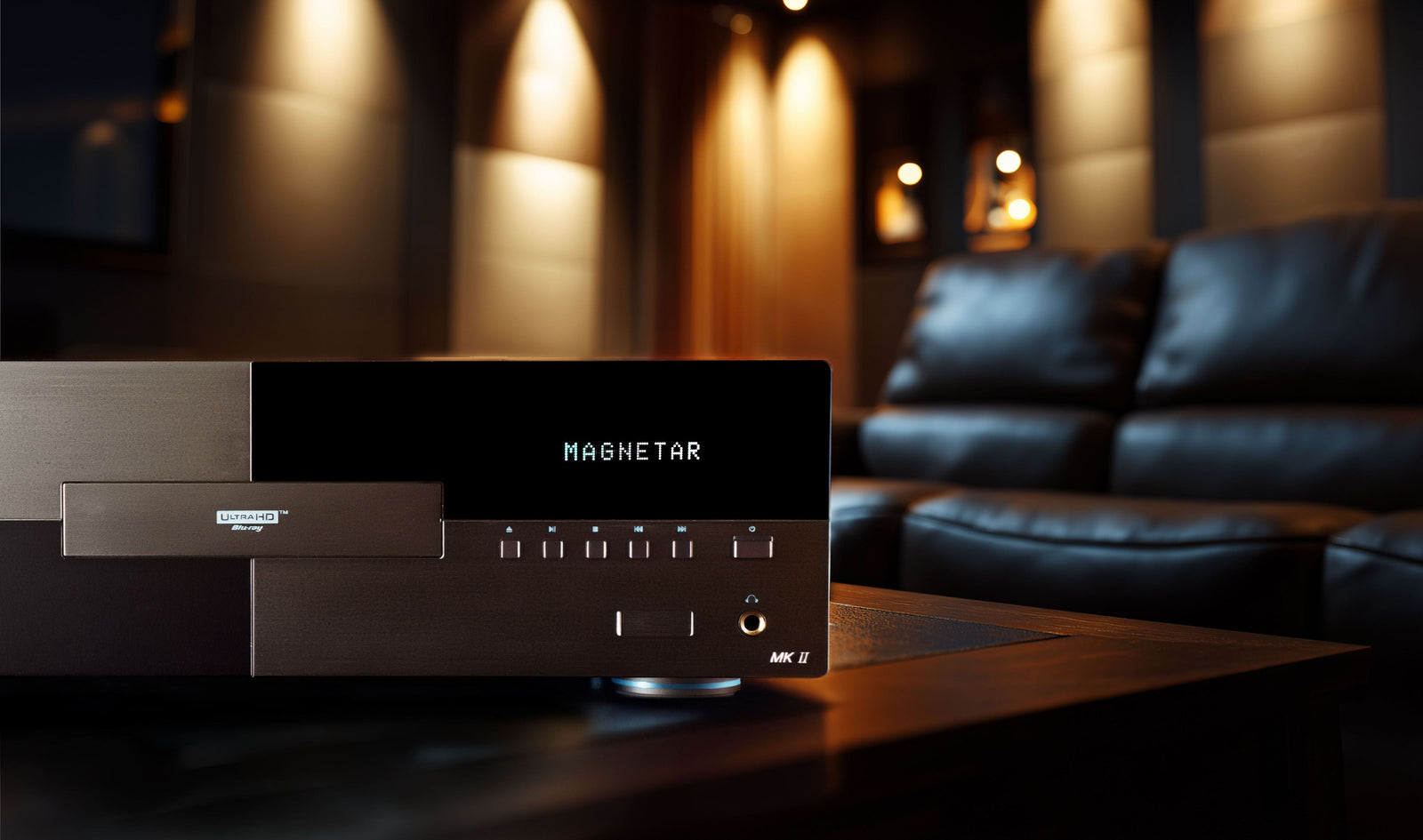
At Magnetar, we believe that exceptional playback isn’t limited to a single format. Whether you’re enjoying a beautifully mastered Blu-ray or a reference-quality 4K UHD disc, our players are engineered to deliver stability, precision, and performance; Magnetar's goal is to help every disc in your collection reach its full potential.